.webp)
.webp)
Quick Summary and Core Île de Ré Guide
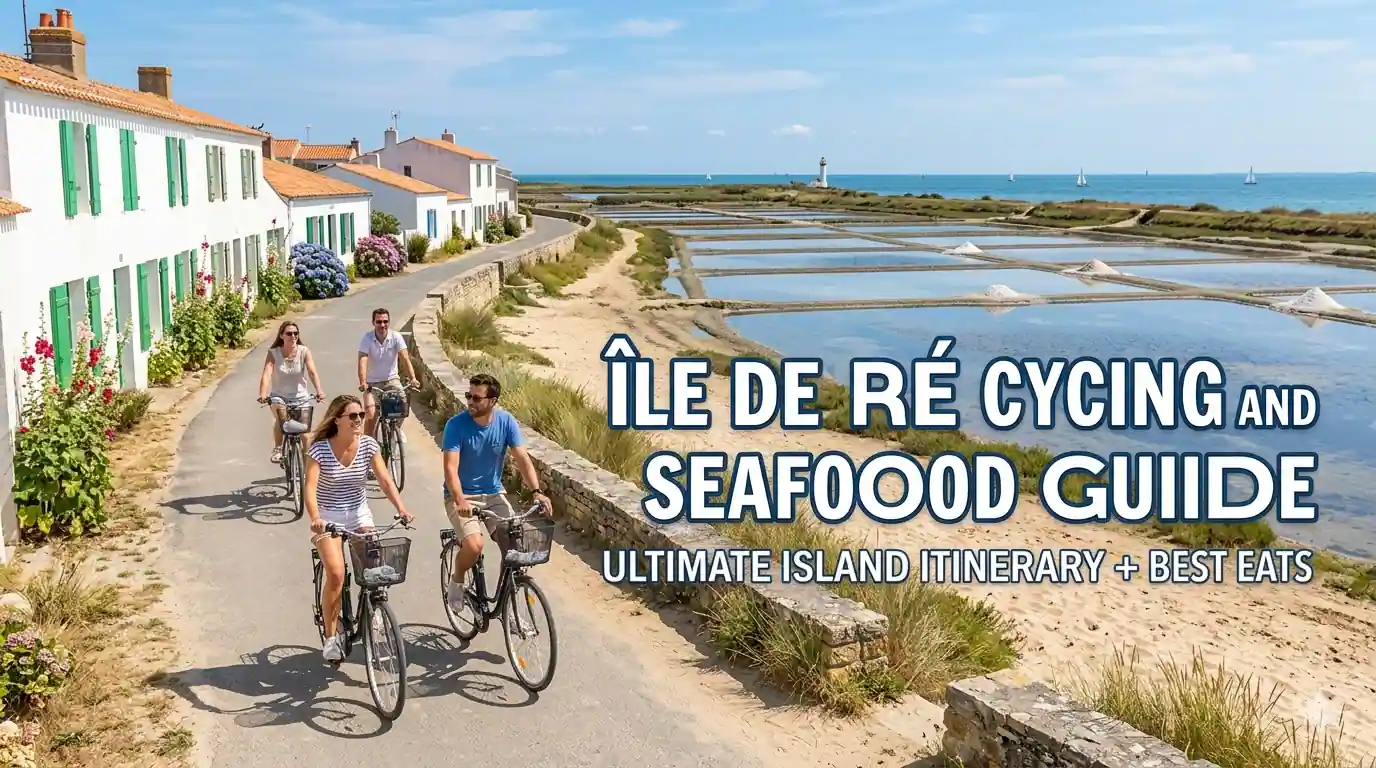
Île de Ré, a sun-drenched Atlantic island off France's western coast, offers travelers an idyllic blend of cycling adventures, exceptional seafood, and centuries-old salt production traditions within a compact, car-light environment. Connected to the mainland by a scenic bridge near La Rochelle, this 30-kilometer-long island features over 100 kilometers of dedicated bike paths winding through pine forests, salt marshes, and charming villages with white-washed houses and green shutters. From tasting freshly harvested oysters at waterfront cabanes to exploring traditional salt marshes where fleur de sel is hand-harvested, from cycling to the iconic Phare des Baleines lighthouse to relaxing on pristine Atlantic beaches, Île de Ré delivers authentic French island culture with exceptional accessibility for international visitors.
The primary user intent centers on understanding how to efficiently explore the island by bicycle, identifying the best seafood restaurants and salt marsh experiences, planning logistics from Paris and other European cities, budgeting for bike rentals and accommodation, timing visits for optimal weather and salt harvesting, and maximizing the island's unique combination of active recreation and culinary discovery. You need verified 2026 pricing in USD, exact cycling distances and route recommendations, transportation options with costs and travel times, accommodation recommendations across budget tiers, and practical tips for navigating bike paths, reserving seafood dining, and experiencing authentic salt production. This guide delivers detailed, actionable information based on current operations and verified visitor experiences.
Average visitors report that Île de Ré exceeds expectations for cycling infrastructure, seafood quality, and relaxed island atmosphere compared to more crowded French coastal destinations. You can rent quality bicycles for USD 15 to 30 daily, enjoy exceptional seafood meals for USD 25 to 50 per person, and experience salt marsh tours for USD 20 to 40. Most travelers allocate USD 120 to 280 daily for accommodation, meals, bike rental, and activities. The combination of flat terrain ideal for cycling, world-class seafood, unique salt heritage, and proximity to La Rochelle makes Île de Ré ideal for active travelers, food enthusiasts, and families seeking authentic French island experiences.
Essential Île de Ré Travel Data for 2026
| Island Length and Width | 30 kilometers long, 5 kilometers wide at widest point |
| Total Cycling Path Network | Over 100 kilometers of dedicated bike paths |
| Bike Rental Daily Cost | USD 15 to 30 depending on bike type and season |
| Bridge Toll La Rochelle to Île de Ré | USD 18 one-way summer USD 9 off-season free return |
| Distance from Paris to La Rochelle | 460 kilometers 3 hours by TGV train |
| Best Visiting Season | May to September for cycling and salt harvesting |
| Recommended Visit Duration | 3 to 5 days for comprehensive island exploration |
Why Île de Ré Ranks as France's Premier Cycling and Culinary Island

Île de Ré earns its distinction through a rare combination of cycling infrastructure, culinary excellence, and cultural authenticity that few European islands can match. The island's flat terrain, protected from Atlantic winds by pine forests and dunes, creates ideal conditions for cycling enthusiasts of all abilities. Over 100 kilometers of dedicated, well-maintained bike paths connect every village, beach, salt marsh, and attraction, enabling safe, scenic exploration without sharing roads with cars. This car-light environment, combined with the island's compact size, makes cycling not just an activity but the primary mode of transportation for residents and visitors alike.
Culinary heritage distinguishes Île de Ré from generic beach destinations. The island's Atlantic location provides exceptional seafood, with oysters, mussels, sea bass, and sole harvested daily from surrounding waters. Traditional cabanes (small waterfront huts) serve freshly shucked oysters with bread, butter, and local white wine at prices far below restaurant rates. Meanwhile, the island's salt marshes, operating using techniques unchanged for centuries, produce prized fleur de sel and coarse sea salt that enhance French cuisine worldwide. Understanding this culinary ecosystem transforms simple dining into meaningful cultural immersion.
Cultural authenticity enhances the visitor experience significantly. Île de Ré's distinctive architecture—white-washed houses with green shutters, tiled roofs, and flower-filled courtyards—reflects centuries of adaptation to Atlantic climate and maritime culture. Villages like Saint-Martin-de-Ré, Ars-en-Ré, and La Flotte preserve historic character while offering modern amenities. You encounter local artisans, salt workers, and fishermen maintaining traditional practices, creating authentic interactions unavailable in more commercialized destinations.
Accessibility proves surprisingly good for such a distinctive island experience. Île de Ré connects to the mainland via a 3-kilometer bridge just 15 minutes from La Rochelle, a city with excellent train connections from Paris and regional airport service. Unlike remote islands requiring ferries or flights, you can reach Île de Ré's cycling paths within hours of arriving in France, enabling efficient itineraries and easy access to supplies, medical services, and cultural experiences.
Environmental stewardship defines the island's character. Strict building regulations preserve the distinctive architectural style, while protected natural areas maintain biodiversity in salt marshes, dunes, and pine forests. Cycling infrastructure prioritizes pedestrian and cyclist safety, reducing car dependency and environmental impact. You experience a destination that balances tourism with preservation, creating sustainable experiences that benefit both visitors and local communities.
How to Reach Île de Ré from Major Cities

Île de Ré's location on France's Atlantic coast provides excellent connectivity from European and French hubs, though strategic planning optimizes convenience and cost for cycling-focused itineraries. Understanding arrival logistics enables smooth trip initiation and efficient time allocation for your island adventures.
Train Travel and Regional Connectivity
High-speed TGV trains connect Paris Montparnasse to La Rochelle in approximately 3 hours, with 4 to 6 daily departures. Fares range from USD 45 to 110 depending on booking timing and flexibility. You can secure best prices by reserving 2 to 4 weeks in advance through official SNCF platforms. First-class upgrades cost an additional USD 25 to 50 and include complimentary beverages, wider seating, and priority boarding.
From La Rochelle train station, Île de Ré sits just 15 kilometers away, reachable via taxi (USD 35 to 50), bus (Line 3, USD 3, 30 minutes), or rental car. The bus operates regularly during peak season, with reduced service in winter. Taxis wait at the station, and ride-hailing apps operate reliably in the area. This proves the most economical option for travelers without cars, eliminating bridge tolls and parking concerns.
International travelers can reach La Rochelle via connections through Paris, with round-trip economy fares from North America ranging from USD 600 to 1,400 depending on origin and season. From La Rochelle Airport (serving seasonal European flights), ground transportation to Île de Ré takes 20 minutes via taxi (USD 40 to 60) or rental car.
Car Rental and Bridge Access
Car rental provides flexibility for exploring Île de Ré and combining island visits with La Rochelle and surrounding regions. Major rental companies operate at La Rochelle Airport and train station, with weekly rates ranging from USD 280 to 500 for compact vehicles. Manual transmission cars cost 20 to 30 percent less than automatics.
Driving from La Rochelle to Île de Ré requires crossing the Pont de l'Île de Ré, a 3-kilometer bridge with tolls costing USD 18 one-way during peak season (June-September) and USD 9 off-season. Return journeys are free with same-day toll receipt. The bridge offers scenic Atlantic views and efficient access, though summer traffic can cause delays during peak hours.
Parking on Île de Ré requires strategic planning. Most villages offer free or low-cost parking (USD 2 to 5 daily), though spaces fill quickly in Saint-Martin-de-Ré during summer. Many accommodations provide parking for guests. However, the island's excellent cycling infrastructure means cars prove unnecessary for most island exploration, making train plus bike rental often more economical and enjoyable.
Bike Rental and Island Transportation
Bicycle rental represents the optimal way to experience Île de Ré, with over 100 kilometers of dedicated paths connecting all attractions. Rental shops operate in La Rochelle, at the bridge entrance, and throughout island villages, with daily rates ranging from USD 15 to 30 depending on bike type (standard, electric, child seats) and season.
Electric bike rentals cost USD 25 to 40 daily and prove worthwhile for visitors wanting to cover longer distances or tackle occasional headwinds. Child seats and trailers cost USD 5 to 10 extra daily. Most shops include locks, helmets, and route maps with rentals. Advance booking recommended during peak season to guarantee availability.
The island's flat terrain and well-signed paths enable confident cycling for all ability levels. Paths separate cyclists from vehicle traffic, with clear signage indicating distances to villages, beaches, and attractions. Average cycling speed of 15 km/h enables crossing the entire island in 2 hours, though leisurely exploration with stops requires full days.
Visa Rules and Entry Requirements for France

France maintains Schengen Area visa policies applicable to Île de Ré visitors. Citizens from the United States, Canada, United Kingdom, Australia, and most European nations enjoy visa-free tourism access for up to 90 days within any 180-day period. You must present a passport valid for at least three months beyond your planned departure date from the Schengen Area. Border officials may request proof of onward travel, sufficient funds (approximately USD 70 per day), and accommodation reservations.
Starting in 2025, visa-exempt travelers must obtain ETIAS (European Travel Information and Authorization System) approval before departure. This online authorization costs USD 8, remains valid for three years, and requires basic biographical information and travel details. Processing typically completes within minutes, though some applications require up to 96 hours. You should apply at least one week before travel to accommodate potential delays.
Travel insurance proves highly recommended for cycling vacations. Medical emergencies in France can generate substantial costs for uninsured travelers, and cycling accidents require specialized coverage. Comprehensive policies covering medical treatment, evacuation, trip interruption, and bicycle damage typically cost USD 50 to 120 for week-long trips depending on coverage limits and age. You should verify coverage includes cycling activities and equipment protection.
Non-Schengen citizens requiring visas must apply at French consulates or visa centers in their home countries. Tourist visa applications require proof of accommodation, financial means, travel insurance, and round-trip flight reservations. Processing times range from 15 to 30 days, requiring advance planning. Visa fees total approximately USD 85 for short-stay tourist visas.
Best Time to Visit Île de Ré for Cycling and Salt Experiences

Seasonal timing significantly impacts your Île de Ré experience, affecting weather conditions, cycling comfort, salt harvesting activities, crowd levels, and overall atmosphere. Understanding these variations enables strategic planning that aligns with your priorities, whether seeking optimal cycling weather, salt harvest participation, or peaceful exploration.
Peak Season (June to August)
Summer delivers the most reliable cycling weather with temperatures averaging 20 to 28 degrees Celsius (68-82°F), minimal rainfall, and long daylight hours until 9:30 PM. Salt harvesting reaches peak activity from July to August, enabling visitors to observe traditional fleur de sel collection techniques. Beaches prove ideal for swimming, with Atlantic waters reaching comfortable temperatures of 18 to 21 degrees Celsius (64-70°F).
However, these months bring maximum tourist traffic, with bike paths experiencing congestion during midday hours and accommodation prices peaking at 40 to 60 percent above shoulder season rates. Advance booking of 2 to 3 months proves essential for quality accommodation and popular bike rental shops. Bridge traffic can cause delays during peak arrival times.
Strategic timing mitigates summer challenges. Cycling early morning (7-10 AM) or late afternoon (4-7 PM) avoids peak heat and crowds. Midweek exploration proves less crowded than weekends. Despite crowds, summer rewards visitors with full services, vibrant atmosphere, and guaranteed salt harvest viewing opportunities.
Shoulder Season (May and September)
Shoulder seasons represent optimal visiting periods for most travelers, combining pleasant weather, manageable crowds, and reasonable pricing. Temperatures range from 15 to 24 degrees Celsius (59-75°F), creating comfortable conditions for cycling without summer's intensity. May features blooming wildflowers and fresh green landscapes, while September offers golden light and harvest atmosphere in salt marshes.
Crowd levels diminish 30 to 50 percent compared to peak summer, enabling more relaxed cycling, shorter waits at restaurants, and easier photography without crowds in frames. Accommodation prices drop 25 to 40 percent, and bike rentals often have same-day availability. Salt harvesting continues through September, though with reduced activity compared to peak summer.
Shoulder season weather proves generally reliable, though occasional rain requires flexible planning. May may bring variable conditions with occasional showers, while September typically offers stable weather with crisp air. Both seasons provide excellent lighting for photography, with lower sun angles creating dramatic shadows on white-washed architecture.
Off-Season (October to April)
Winter presents quietest conditions with minimal tourist traffic and lowest accommodation prices, though some services reduce hours or close temporarily. Temperatures average 5 to 14 degrees Celsius (41-57°F), requiring warm clothing for cycling. Atlantic winds prove stronger, though the island's pine forests provide sheltered routes.
Crowd levels reach annual lows, enabling peaceful cycling without congestion and intimate interactions with local residents. Photography proves exceptional with dramatic winter light and atmospheric conditions. Accommodation prices drop 50 to 70 percent, and restaurants offer intimate atmospheres without waits. However, some bike rental shops, salt marsh tours, and restaurants operate reduced hours or close entirely in winter months.
Off-season suits budget travelers, photographers seeking atmospheric conditions, and visitors prioritizing peaceful exploration over vibrant atmosphere. Those seeking full services and guaranteed bike rental availability should verify specific business schedules before travel during winter months.
Complete Cost Breakdown and Budget Planning

Île de Ré travel accommodates various budget levels through strategic choices in accommodation, dining, bike rental, and activities. Understanding all cost components enables realistic planning and prevents unexpected expenses during your island adventure.
Budget travelers spending USD 80 to 130 daily utilize public transportation, focus on casual seafood dining, and rent standard bicycles. Bike rental costs USD 15 to 20 daily for standard bikes. Casual seafood meals at cabanes cost USD 20 to 30 per person. Budget accommodation in villages or campsites costs USD 60 to 90 nightly. This approach delivers authentic experiences without premium pricing.
Mid-range budgets of USD 150 to 280 per person per day enable electric bike rental, restaurant dining featuring fresh seafood, quality accommodation, and guided salt marsh tours. Electric bike rental costs USD 25 to 40 daily, restaurant meals with wine USD 35 to 60, and comfortable hotels or guesthouses USD 90 to 160 nightly. Salt marsh tours cost USD 20 to 40 per person. This tier represents the sweet spot for most travelers seeking quality experiences without extravagance.
Premium experiences costing USD 350 to 650 per person per day include luxury accommodation with ocean views, gourmet seafood dining at Michelin-recognized restaurants, private guided cycling tours, and exclusive salt harvest experiences. Luxury hotels charge USD 200 to 400 nightly, fine dining USD 80 to 150 per person, and private tours USD 100 to 250 per person. This tier suits special occasions or travelers prioritizing exceptional access and service.
| Expense Category | Budget Option | Mid Range | Premium |
| Bike Rental Daily | USD 15 to 20 standard | USD 25 to 40 electric | USD 50 to 80 premium |
| Accommodation Per Night | USD 60 to 90 | USD 90 to 160 | USD 200 to 400 |
| Daily Food and Drinks | USD 25 to 40 | USD 45 to 75 | USD 100 to 180 |
| Salt Marsh Tours | USD 20 group | USD 30 small group | USD 80 private |
| Bridge Toll Round-Trip | USD 18 summer | USD 18 summer | USD 18 summer |
| Travel Insurance | USD 45 to 75 | USD 75 to 120 | USD 120 to 200 |
Best Cycling Routes and Paths on Île de Ré

Île de Ré's over 100 kilometers of dedicated bike paths enable diverse cycling experiences, from leisurely coastal rides to comprehensive island circuits. Understanding these routes' characteristics enables strategic selection matching your fitness level, time availability, and interests.
Coastal Circuit: Saint-Martin to Ars-en-Ré
This scenic 15-kilometer route follows the island's northern coast from Saint-Martin-de-Ré to Ars-en-Ré, passing salt marshes, beaches, and charming villages. The flat, well-maintained path proves ideal for all ability levels, with gentle Atlantic breezes and constant coastal views. Allow 2 to 3 hours at leisurely pace with stops for photography and refreshment.
Key highlights include the salt marshes near La Couarde, where you can observe traditional salt harvesting techniques; the pristine beaches of La Couarde-sur-Mer, ideal for swimming breaks; and the picturesque village of Ars-en-Ré, with its distinctive black-and-white church spire visible from miles away. The route features numerous cafés and oyster cabanes for refreshment stops.
Practical considerations include parking at Saint-Martin-de-Ré (free at peripheral lots, USD 3 to 5 daily closer to center) and bike rental availability throughout the route. The path remains well-signed with distance markers to villages and attractions. Early morning cycling avoids peak crowds and provides optimal lighting for coastal photography.
Island Circuit: Complete Île de Ré Loop
The comprehensive 85-kilometer island circuit connects all major villages, beaches, and attractions, enabling complete Île de Ré exploration in a single day. The route follows dedicated paths throughout, with minimal road sharing and excellent signage. Allow 6 to 8 hours at moderate pace with stops for meals and sightseeing.
Key highlights include the Phare des Baleines lighthouse at the island's western tip, offering panoramic Atlantic views from its 257 steps; the salt marshes of Loix, where traditional harvesting techniques remain in use; and the charming villages of La Flotte, Rivedoux-Plage, and Saint-Clément-des-Baleines, each with distinctive character and local specialties.
Practical considerations include starting early to complete the circuit in daylight, carrying sufficient water and snacks for remote sections, and verifying bike condition before departure. Electric bikes prove worthwhile for this longer route, particularly for less experienced cyclists or those wanting to conserve energy for sightseeing.
Salt Marsh Exploration Routes
Dedicated paths through Île de Ré's salt marshes enable intimate exploration of the island's unique cultural heritage. Routes near La Couarde, Loix, and Ars-en-Ré provide access to traditional marais salants (salt marshes), where you can observe salt harvesting techniques and learn about fleur de sel production.
These shorter routes (5 to 10 kilometers) prove ideal for combining cycling with cultural education. Allow 1 to 2 hours for marsh exploration, including time for guided tours or conversations with salt workers. Paths remain flat and well-maintained, suitable for all ability levels.
Practical considerations include timing visits to coincide with salt harvesting activities (typically morning hours during summer), wearing appropriate footwear for potentially muddy paths, and respecting working marshes by staying on designated paths. Many salt producers welcome visitors and offer informal explanations of their craft.
Seafood Experiences: Oysters, Mussels, and Atlantic Specialties

Île de Ré's Atlantic location provides exceptional seafood, with oysters, mussels, sea bass, and sole harvested daily from surrounding waters. Understanding where and how to experience these specialties transforms simple dining into meaningful cultural immersion.
Oyster Cabanes and Waterfront Tasting
Traditional cabanes (small waterfront huts) represent Île de Ré's most authentic seafood experience. These simple establishments, often operated by oyster farmers themselves, serve freshly shucked oysters with bread, salted butter, and local white wine at prices far below restaurant rates. Locations near La Flotte, Saint-Martin-de-Ré, and La Couarde offer the most accessible experiences.
Pricing typically ranges from USD 8 to 15 per dozen oysters, with bread and butter included. Local white wines cost USD 5 to 8 per glass. Most cabanes operate seasonally (April to October), with reduced hours or closures in winter. Cash remains preferred, though card acceptance increases.
Practical considerations include arriving early for best selection, particularly on weekends; bringing your own wine if cabane policy permits; and respecting the casual, no-frills atmosphere that emphasizes oysters over ambiance. These experiences appeal to purists seeking authentic flavors without tourist-oriented presentation.
Seafood Restaurants and Culinary Excellence
Île de Ré's restaurants showcase Atlantic seafood through refined preparations that highlight regional ingredients. Establishments in Saint-Martin-de-Ré, Ars-en-Ré, and La Couarde feature menus emphasizing fresh fish, shellfish, and local produce, often with terrace seating overlooking harbors or beaches.
Mid-range restaurants offer lunch menus (formules) at USD 25 to 40, providing excellent value for quality seafood preparations. Dinner service typically costs USD 45 to 75 per person for multi-course meals featuring local specialties like moules marinières (mussels in white wine), sole meunière, or grilled sea bass with seasonal vegetables.
Practical considerations include reserving tables for dinner service during peak season, particularly for waterfront terraces; verifying seasonal menus that reflect daily catches; and pairing meals with local wines from nearby regions like Bordeaux or Loire Valley. Many restaurants offer vegetarian options, though seafood remains the primary focus.
Market Visits and Self-Catering
Local markets provide opportunities to purchase fresh seafood, produce, and regional specialties for self-catering or picnic experiences. Saint-Martin-de-Ré's market operates Tuesday, Thursday, and Saturday mornings, featuring oysters, fish, cheeses, bread, and seasonal produce from island producers.
Market purchases enable budget-friendly dining with exceptional quality. A picnic featuring fresh oysters, baguette, local cheese, and fruit costs USD 15 to 25 per person, significantly below restaurant prices while enabling flexible dining locations. Beaches, parks, and harbor walls provide scenic picnic settings.
Practical considerations include arriving early for best selection, bringing insulated bags for perishable items, and verifying market schedules before travel. Many markets operate reduced hours or close entirely during winter months.
Salt Marsh Heritage and Traditional Harvesting

Île de Ré's salt marshes represent centuries of cultural heritage, with traditional harvesting techniques producing prized fleur de sel and coarse sea salt that enhance French cuisine worldwide. Understanding this heritage transforms simple observation into meaningful cultural appreciation.
Traditional Salt Harvesting Techniques
Salt production on Île de Ré follows methods unchanged for centuries, relying on solar evaporation and skilled labor rather than industrial processes. Seawater channels into shallow clay ponds (oeillets), where sun and wind gradually evaporate water, concentrating salt crystals. Salt workers (paludiers) use traditional wooden rakes (lousse) to harvest delicate fleur de sel from the water's surface and coarser sel gris from pond bottoms.
This labor-intensive process requires intimate knowledge of weather, tides, and salt crystallization. Fleur de sel, harvested only on calm, sunny days, commands premium prices due to its delicate texture and complex flavor. Coarse sel gris, harvested throughout the season, proves ideal for cooking and preservation.
Visitors can observe harvesting activities from designated paths, though respectful distance proves essential to avoid disrupting delicate processes. Many paludiers welcome questions and share knowledge about their craft, creating authentic cultural exchanges.
Salt Marsh Tours and Educational Experiences
Guided salt marsh tours provide deeper insights into traditional harvesting techniques, ecological importance, and cultural significance. These experiences, typically costing USD 20 to 40 per person for 1-2 hours, include walking among salt ponds, observing harvesting demonstrations, and tasting different salt varieties.
Tours operate primarily during harvesting season (June to September), with reduced schedules in shoulder months. Advance booking recommended during peak season. Tours prove ideal for families, culinary enthusiasts, and travelers seeking cultural context beyond simple sightseeing.
Practical considerations include wearing appropriate footwear for potentially muddy paths, bringing sun protection for exposed marsh areas, and verifying tour language availability (French and English options typically available).
Purchasing Island Salt and Supporting Local Producers
Île de Ré's salt producers sell directly to visitors at marsh-side boutiques, village shops, and markets. Fleur de sel typically costs USD 8 to 15 per 125-gram container, while coarse sel gris costs USD 4 to 8 per kilogram. Many producers offer flavored salts (herbs, spices) and gift packaging.
Purchasing directly supports traditional producers and ensures product authenticity. Many producers share storage tips and culinary uses, enhancing the value of purchases. Salt proves an ideal souvenir—lightweight, durable, and representative of island heritage.
Practical considerations include verifying product labeling for origin and production methods, asking about storage recommendations, and considering gift packaging for souvenirs. Many shops offer shipping services for international purchases.
Practical Tips for Cycling and Island Exploration
Successful Île de Ré exploration requires attention to practical details that enhance comfort, safety, and enjoyment. Understanding these factors and following recommended precautions ensures your cycling adventure remains memorable for positive reasons.
Bike Safety and Path Etiquette
Île de Ré's dedicated bike paths prioritize cyclist safety, but responsible riding enhances experiences for all users. Maintain moderate speeds, particularly in villages and crowded sections; yield to pedestrians at crossings; and use bells or verbal warnings when approaching from behind. Helmets prove advisable, though not legally required for adults.
Path etiquette includes staying to the right, passing on the left with clear signals, and avoiding stopping in narrow sections. Respect signage indicating shared paths with pedestrians or horses. Most paths remain well-maintained, though occasional sand or debris requires attention.
Practical considerations include verifying bike condition before departure (brakes, tires, gears), carrying basic repair tools or knowing rental shop locations for assistance, and understanding that electric bikes require charging planning for longer routes.
Weather Preparation and Seasonal Considerations
Atlantic weather proves variable, requiring preparation for changing conditions even on sunny days. Layered clothing enables adaptation to temperature shifts, while windproof jackets prove essential for coastal cycling. Sun protection (hat, sunglasses, sunscreen) remains important year-round due to reflective water and sand.
Seasonal considerations include higher winds in spring and autumn, requiring extra caution on exposed coastal sections; potential rain showers requiring waterproof gear; and summer heat requiring hydration planning. Check forecasts before departure and carry appropriate gear regardless of predictions.
Practical considerations include packing compact rain jackets even on sunny days, carrying sufficient water for remote sections, and understanding that weather can change rapidly on Atlantic islands.
Navigation and Route Planning
Île de Ré's bike path network features clear signage indicating distances to villages, beaches, and attractions. However, carrying a physical map or downloading offline digital maps proves advisable for remote sections where cellular coverage may prove limited.
Route planning should account for cycling speed (average 15 km/h for leisurely exploration), desired stops for sightseeing or refreshment, and return timing to avoid cycling in darkness. Many rental shops provide route recommendations and maps with bike rentals.
Practical considerations include starting early to maximize daylight for longer routes, building buffer time for spontaneous discoveries, and verifying accommodation locations relative to planned routes to minimize backtracking.
Suggested Itineraries for Île de Ré Exploration
Strategic itinerary planning maximizes your Île de Ré experience while preventing fatigue from excessive cycling or crowded conditions. This flexible framework accommodates different time allocations, interests, and pacing preferences while ensuring comprehensive exposure to the island's highlights.
Three-Day Island Introduction
Day one focuses on Saint-Martin-de-Ré and northern coast cycling. Morning bike rental and orientation, followed by coastal ride to La Couarde (15 kilometers round-trip) with salt marsh observation and oyster cabane lunch. Afternoon explores Saint-Martin's harbor, fortifications, and shops. Evening seafood dinner at waterfront restaurant.
Day two features complete island circuit or western exploration. Morning cycling to Phare des Baleines lighthouse (25 kilometers from Saint-Martin) with panoramic views and beach time. Afternoon salt marsh tour near Loix or relaxed village exploration. Evening casual dining in La Couarde or Ars-en-Ré.
Day three dedicates to southern coast and departure preparation. Morning cycling to La Flotte and Rivedoux-Plage, with market visit for souvenirs and picnic supplies. Afternoon beach relaxation or final salt purchases. Evening farewell dinner celebrating trip highlights.
This itinerary costs approximately USD 350 to 600 per person including accommodation, meals, bike rental, and activities, proving ideal for first-time visitors wanting comprehensive island exposure without rushing.
Five-Day Comprehensive Immersion
Extended stays enable deeper exploration and relaxed pacing. Days one through three follow the introduction itinerary above. Day four dedicates to specialized experiences: guided salt harvest participation, culinary workshop featuring local seafood, or extended beach time at preferred locations. Day five allows return visits to favorite villages, additional cycling routes, or leisure time for relaxation and souvenir shopping.
Flexible scheduling accommodates weather variations and personal preferences. Build buffer time between cycling segments for spontaneous discoveries, extended village exploration, or rest breaks. Reserve afternoons for downtime, especially with multi-day cycling that requires recovery. This approach maximizes enjoyment while maintaining energy throughout your island journey.
0 Comments