.webp)
.webp)
The Rise of Premium Tea Tourism Bangladesh in Panchagarhs Organic Gardens
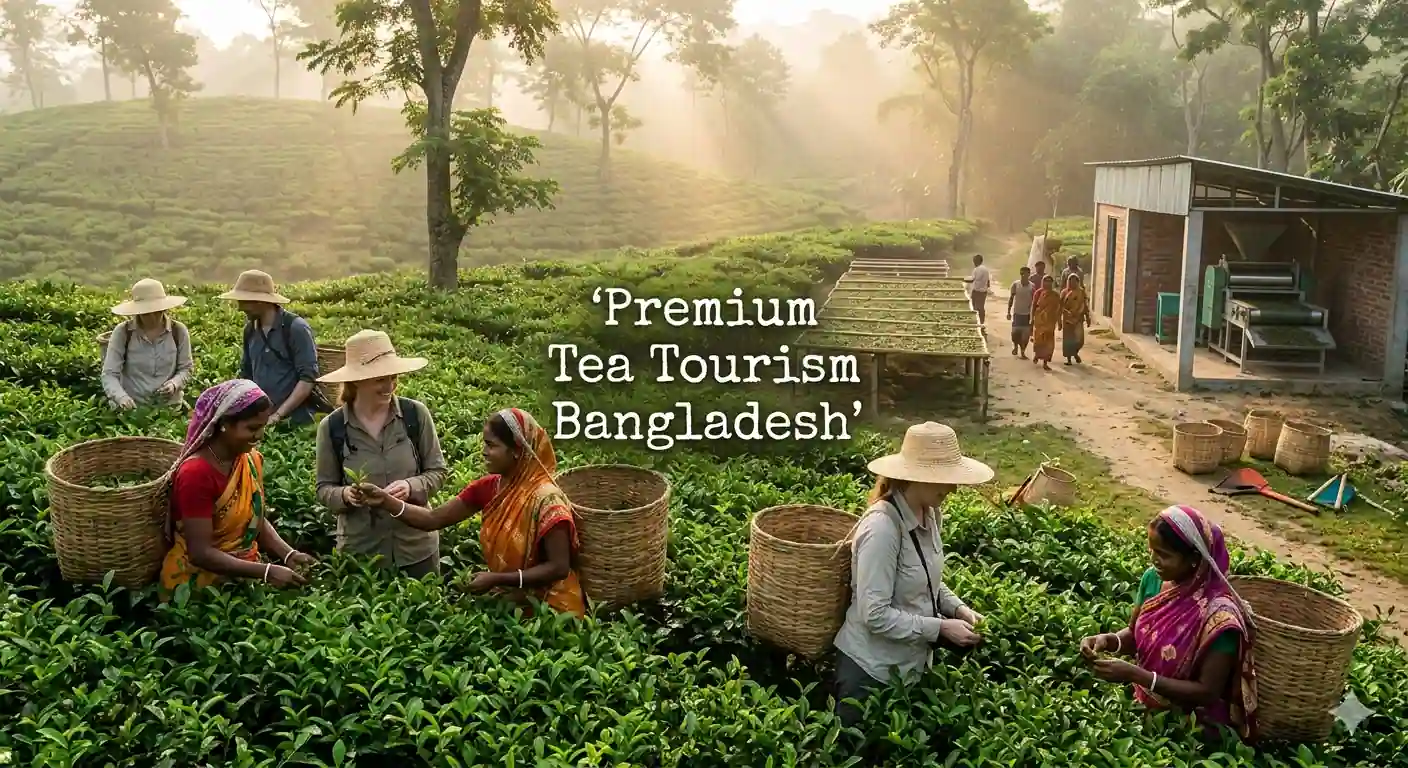
Discovering Authentic Agricultural Luxury in Northern Bangladesh
Visiting Panchagarh for premium tea tourism in Bangladesh offers foreign travelers a rare opportunity to experience organic tea cultivation, traditional processing methods, and immersive cultural hospitality in one of South Asia's most overlooked agricultural regions. Unlike commercial tea estates focused solely on mass production, Panchagarh's boutique organic gardens prioritize sustainable farming, hands-on visitor participation, and authentic community engagement. The optimal visiting window spans October through April, when cool northern Bangladesh weather (55-78°F / 13-25°C) aligns with peak tea flushing cycles, allowing tourists to participate in morning plucking sessions, witness orthodox processing, and enjoy guided tastings without extreme heat or monsoon disruptions. Daily program costs range from $25-$180 USD depending on whether you choose independent garden visits, curated homestay packages, or premium eco-lodge experiences with private tastings and photography sessions.
This comprehensive guide breaks down everything you need to know about planning a premium tea-tourism journey in Panchagarh, including transport logistics from Dhaka, seasonal harvesting calendars, budget versus luxury accommodation comparisons, cultural etiquette for garden interactions, and step-by-step booking strategies. Whether you are a tea connoisseur seeking single-estate orthodox leaves, a sustainability-focused traveler interested in organic farming practices, or a cultural explorer eager to connect with Bengali agrarian communities, Panchagarh delivers an authentic, educational, and deeply rewarding experience that redefines agricultural tourism in Bangladesh.
Why Panchagarh Leads Bangladesh Premium Tea Tourism
Panchagarh district sits at the northernmost tip of Bangladesh, bordered by India to the north, west, and east, and Dinajpur district to the south. The region's unique geographical position creates a microclimate ideal for high-quality tea cultivation: elevated terrain (30-120 meters above sea level), well-drained loamy soil, consistent mist coverage during winter months, and distinct seasonal temperature variations that slow leaf growth and concentrate aromatic compounds. Unlike the heavily commercialized tea zones of Sylhet and Moulvibazar, Panchagarh's tea sector has historically operated on a smaller scale, focusing on quality over quantity, which makes it perfectly suited for premium experiential tourism.
The shift toward premium tea tourism began around 2019 when local agricultural cooperatives and boutique estate owners recognized growing international interest in transparent, sustainable supply chains. By partnering with organic certification bodies, investing in visitor infrastructure, and training local guides in hospitality standards, Panchagarh transformed from a purely agricultural district into a destination for mindful travel. Visitors now participate in every stage of tea production, from selective two-leaf-and-a-bud plucking to withering, rolling, oxidation, and firing, all while learning about soil health, biodiversity conservation, and fair-trade economics.
For travelers researching broader Bangladesh itineraries, Panchagarh fits seamlessly into northern cultural circuits. Consulting the complete Bangladesh travel master guide reveals how tea tourism complements visits to nearby archaeological sites, river ecosystems, and rural craft villages, creating a well-rounded journey that moves beyond typical urban or coastal tourism.
Seasonal Harvest Cycles and Optimal Visiting Windows
Tea cultivation follows strict botanical rhythms, and understanding Panchagarh's seasonal flushing patterns ensures you time your visit for maximum participation and sensory enjoyment. The district experiences two primary harvest seasons, each offering distinct advantages for tourists.
First Flush (October-November): Following the monsoon retreat, cool temperatures and reduced humidity trigger the first major growth cycle. Leaves are tender, pale green, and highly aromatic, producing delicate, floral orthodox teas. Tourist participation is ideal during this period because garden staff actively welcome visitors for plucking workshops, and processing facilities operate at manageable scales that allow close observation. Morning temperatures hover around 60-65°F (15-18°C), making extended fieldwork comfortable.
Second Flush (February-April): Warmer spring conditions accelerate leaf development, yielding richer, more robust flavors with higher caffeine content. This season coincides with Bangladesh's peak tourist weather, offering clear skies, minimal rainfall, and excellent visibility for photography. Processing facilities run longer hours, allowing tourists to observe multiple batches and compare oxidation levels. Afternoon temperatures reach 75-78°F (24-25°C), requiring sun protection during midday garden walks.
Avoid Monsoon Months (May-September): Heavy rainfall saturates soil, increases fungal pressure, and forces gardens to prioritize pest management over visitor programs. Access roads become muddy, transportation delays increase, and processing facilities limit non-essential personnel for safety and hygiene compliance.
Planning your visit around these cycles ensures you witness authentic agricultural practices rather than staged demonstrations. For visa and entry preparation, review the Bangladesh visa application guide for US citizens to secure tourist authorization well before your preferred harvest window.
Step-by-Step Guide to Reaching Panchagarh Tea Gardens
Reaching Panchagarh requires multi-stage travel from Dhaka, but improved infrastructure has made the journey increasingly accessible for international visitors. Below is a detailed breakdown of transport options, costs, and duration.
Option 1: Domestic Flight + Road Transfer (Fastest)
Fly from Dhaka (DAC) to Saidpur (SPD) on Biman Bangladesh or US-Bangla Airlines. Flight duration is approximately 1 hour 15 minutes. From Saidpur Airport, hire a pre-arranged car or use ride-hailing services for the 1.5-hour drive to Panchagarh tea estates. Total cost: $60-$110 USD (flight $45-$85 + ground transfer $15-$25). Best for travelers with limited time or mobility constraints.
Option 2: Overnight Train + Local Transport (Most Scenic)
Board the Parabat Express or Kurigram Express from Kamalapur Railway Station in Dhaka. Journey time: 10-12 hours. Trains arrive at Saidpur or Parbatipur junctions, where you transfer to local CNG auto-rickshaws or private cars for the final 1-2 hour stretch to tea gardens. Total cost: $12-$35 USD (train $8-$20 + local transfer $4-$15). Consult the Bangladesh domestic train system guide for booking procedures, class comparisons, and safety tips.
Option 3: Long-Distance Bus (Most Economical)
Direct AC buses depart from Gabtali or Mohakhali terminals in Dhaka, traveling via the Dhaka-Rangpur Highway. Journey time: 11-13 hours depending on traffic and road conditions. Buses drop passengers at Panchagarh bus stand, where local transport completes the garden transfer. Total cost: $10-$22 USD (bus $8-$18 + local transfer $2-$4). Ideal for budget travelers comfortable with extended road travel.
Regardless of transport mode, book garden visits at least 7-10 days in advance. Organic estates limit daily visitor numbers to preserve plant health and maintain intimate group sizes (maximum 6-8 participants per session).
Immersive Tea Tourism Experiences: What to Expect
Premium tea tourism in Panchagarh moves beyond passive observation, offering structured, hands-on programs that educate visitors while supporting local livelihoods. Each experience is designed to highlight organic principles, traditional craftsmanship, and cultural exchange.
Morning Plucking Workshops (5:30 AM - 9:00 AM)
Participants join experienced tea pluckers at dawn, learning to identify the optimal two-leaf-and-a-bud configuration. Instructors demonstrate proper snapping techniques that preserve plant health and ensure uniform leaf size. Tourists typically harvest 2-4 kg of fresh leaves during a 3-hour session, compared to professional pluckers who collect 15-20 kg daily. All harvested leaves enter the estate's processing line, with participants receiving personalized packaging of their contribution.
Orthodox Processing Demonstrations (10:00 AM - 2:00 PM)
Visitors tour processing facilities to observe withering troughs, rolling machines, fermentation rooms, and drying ovens. Guides explain how temperature, humidity, and oxidation time influence flavor profiles. Participants may assist in sorting graded leaves, monitoring moisture levels, or packing finished tea under supervision. Processing demonstrations emphasize small-batch craftsmanship, contrasting sharply with industrial CTC (crush-tear-curl) methods used in mass-market production.
Guided Tasting and Blending Sessions (3:00 PM - 5:00 PM)
Certified tea tasters lead cupping workshops where visitors learn to evaluate liquor color, aroma, briskness, strength, and aftertaste. Participants sample single-estate orthodox brews, compare flush variations, and experiment with custom blends. Sessions include education on water temperature (195-205°F / 90-96°C), steeping duration (3-5 minutes), and proper cupping etiquette. Tasting fees typically range from $8-$25 USD depending on tea rarity and session length.
Budget vs Luxury: Tea Tourism Cost Breakdown
Understanding cost structures helps travelers select experiences aligned with their preferences and financial parameters. Panchagarh's tea tourism sector accommodates all budgets while maintaining quality standards.
| Experience Tier | Accommodation | Daily Program Cost | Inclusions | Total Daily Estimate (USD) |
| Budget | Basic homestay or guesthouse | $25-$40 | Garden access, plucking workshop, group tasting, local meals | $45-$75 |
| Mid-Range | Private eco-lodge or boutique resort | $50-$90 | Private guide, processing demo, premium tasting, transport, all meals | $95-$160 |
| Luxury | Premium plantation villa or heritage bungalow | $100-$180 | Dedicated horticulturist, private cupping, photography session, spa, gourmet dining | $180-$320 |
Budget travelers maximize value by booking directly with cooperative gardens, participating in group workshops, and utilizing local transport. Mid-range visitors benefit from structured packages that eliminate logistics stress while providing deeper educational content. Luxury seekers enjoy exclusive access, personalized instruction, and premium amenities that transform agricultural tourism into a refined retreat.
For currency management, review the cash and ATM withdrawal guide for Bangladesh to understand banking infrastructure, exchange rates, and digital payment acceptance in northern districts.
Cultural Etiquette and Responsible Garden Practices
Respecting local customs and agricultural protocols ensures positive interactions and preserves the integrity of tea tourism operations. Panchagarh's tea communities value modesty, punctuality, and environmental stewardship.
Dress Code and Field Safety
- Clothing: Long sleeves, full-length pants, and closed-toe shoes protect against sun exposure, insect bites, and sharp tea branches. Light, breathable fabrics prevent overheating during morning sessions.
- Headwear: Wide-brimmed hats or caps are mandatory for UV protection. Gardens rarely provide loaner equipment, so bring your own.
- Footwear: Rubber boots or sturdy hiking shoes with ankle support navigate muddy pathways during residual moisture periods.
- Accessories: Avoid dangling jewelry or loose scarves that may snag on tea bushes or processing machinery.
Interaction Guidelines
- Photography: Always request permission before photographing workers, processing staff, or religious shrines within garden boundaries. Many estates welcome documentation but prohibit commercial usage without written consent.
- Language: Learning basic Bengali greetings (nomoshkar for hello, dhonnobad for thank you) demonstrates respect and facilitates warmer interactions. English proficiency varies among staff, so patience and visual communication prove valuable.
- Gift-Giving: Bringing school supplies, quality pens, or reusable water bottles for garden schools or community centers is appreciated. Avoid distributing cash or expensive items that may create dependency or inequality.
- Environmental Compliance: Strictly follow organic protocols: no synthetic chemicals, no littering, no deviation from marked pathways. Gardens operate on certified organic standards, and visitor compliance maintains certification validity.
Packing Essentials for Tea Tourism in Panchagarh
Proper preparation enhances comfort and participation quality. Unlike coastal or urban Bangladesh travel, northern agricultural tourism requires specialized gear for variable terrain and climate conditions.
| Category | Essential Items | Purpose |
| Clothing | Moisture-wicking long sleeves, convertible hiking pants, lightweight rain jacket, wide-brim hat | Sun protection, temperature regulation, weather adaptability |
| Footwear | Waterproof hiking boots, quick-dry trail shoes, camp sandals | Muddy terrain navigation, evening relaxation, foot health |
| Field Gear | Gardening gloves, reusable water bottle (2L), compact daypack, headlamp | Leaf protection, hydration, equipment transport, early morning visibility |
| Health | Sunscreen SPF 50+, insect repellent (DEET or picaridin), oral rehydration salts, basic first aid kit | UV protection, vector-borne disease prevention, heat management, minor injury care |
| Documentation | Passport, visa printout, travel insurance, emergency contacts, garden booking confirmations | Legal compliance, medical coverage, itinerary verification |
For comprehensive packing strategies, consult the essential packing list for Bangladesh travel to ensure you carry climate-appropriate, culturally respectful, and functionally optimized gear.
Health, Safety, and Medical Preparedness
Panchagarh's remote location requires proactive health planning. While tea gardens maintain clean facilities and trained staff, medical infrastructure remains limited compared to urban centers.
Pre-Trip Medical Preparations
- Vaccinations: Hepatitis A, Typhoid, Tetanus, and Japanese Encephalitis (recommended for rural agricultural areas). Consult a travel medicine specialist 6-8 weeks before departure.
- Malaria Prophylaxis: Panchagarh is not a high-risk malaria zone, but discuss preventive measures with your physician if visiting during transitional seasons.
- Travel Insurance: Verify coverage includes agricultural activities, rural medical evacuation, and trip cancellation due to weather or transport disruptions.
On-Site Safety Protocols
- Hydration: Drink 2.5-3 liters of filtered or boiled water daily. Dehydration risk increases during physical plucking sessions, even in cool weather.
- Sun Management: Reapply sunscreen every 2 hours. UV exposure remains high despite cool temperatures, especially during morning hours when mist dissipates.
- Insect Protection: Wear treated clothing and apply repellent to exposed skin. Tea gardens attract mosquitoes and ticks, particularly near irrigation channels.
- Emergency Contacts: Save local hospital numbers, garden manager contacts, and your embassy's Dhaka office information. Satellite phones or GPS messengers prove valuable in areas with intermittent cellular coverage.
For solo travelers, reviewing the solo travel safety guide for Bangladesh provides additional strategies for independent navigation, communication planning, and cultural adaptation in northern districts.
Combining Tea Tourism with Broader Bangladesh Itineraries
Panchagarh's tea tourism integrates seamlessly with regional cultural, historical, and natural attractions, creating multi-day itineraries that showcase Bangladesh's diversity.
Recommended 5-Day Northern Circuit
Day 1: Arrival and Garden Orientation
- Arrive Panchagarh via Saidpur, check into eco-lodge or homestay
- Afternoon garden orientation, safety briefing, equipment fitting
- Evening welcome dinner featuring local Bengali cuisine
Day 2: Harvest Participation and Processing
- 5:30 AM plucking workshop, leaf weighing and sorting
- 10:00 AM orthodox processing demonstration, oxidation monitoring
- 3:00 PM guided cupping session, blend customization
- Evening free time, photography review, community interaction
Day 3: Cultural Exchange and Regional Exploration
- Morning visit to nearby village school or craft cooperative
- Afternoon excursion to Tetulia border area or Banglabandha zero point
- Evening traditional music performance or storytelling session
Day 4: Extended Tasting and Departure Preparation
- Advanced cupping workshop, water chemistry and steeping variables
- Packaging session, certificate presentation, souvenir shopping
- Afternoon transfer to Saidpur or Dhaka departure point
Day 5: Return or Extension
- Continue to Dinajpur for Kantajew Temple and Ramsagar National Park
- Or fly back to Dhaka for urban exploration, museum visits, or culinary tours
- For food enthusiasts, explore the Dhaka street food culture guide to contrast rural agricultural flavors with urban culinary diversity
The Future of Sustainable Tea Tourism in Bangladesh
Panchagarh's premium tea tourism model represents a broader shift toward regenerative agricultural travel in South Asia. By prioritizing organic certification, fair wages, visitor education, and ecological preservation, local estates demonstrate how tourism can enhance rather than exploit farming communities.
Key sustainability initiatives include:
- Soil Regeneration: Composting tea waste, planting nitrogen-fixing cover crops, and eliminating synthetic fertilizers restore microbial health and long-term yield stability.
- Biodiversity Corridors: Maintaining forest buffers around plantations protects pollinators, birds, and small mammals while reducing pesticide dependency.
- Community Revenue Sharing: 15-20% of tourism income funds local schools, healthcare clinics, and women's cooperatives, ensuring economic benefits remain within the district.
- Carbon Neutral Operations: Solar-powered processing facilities, rainwater harvesting, and electric transport fleets reduce greenhouse gas emissions across the supply chain.
International travelers who choose Panchagarh's organic tea tourism directly support these initiatives, transforming leisure travel into a force for agricultural innovation and rural empowerment. As Bangladesh continues developing its tourism infrastructure, Panchagarh stands as a benchmark for responsible, high-value experiential travel that honors both land and people.
Conclusion: Brewing Authentic Connections in Northern Bangladesh
Premium tea tourism in Panchagarh offers more than scenic plantations and aromatic beverages—it delivers a profound understanding of sustainable agriculture, cultural heritage, and community resilience. By waking before dawn to pluck tender leaves, observing meticulous processing techniques, and sharing meals with farming families, visitors participate in a centuries-old tradition that continues evolving through organic innovation and mindful tourism.
Whether you select a budget homestay immersion or a luxury villa retreat, Panchagarh's tea gardens welcome you with authenticity, education, and genuine hospitality. The region's cool climate, rolling landscapes, and commitment to ecological stewardship create an environment where travel transcends consumption and becomes contribution.
As you plan your Bangladesh journey, prioritize Panchagarh's tea tourism experience. Book garden visits early, pack thoughtfully, respect local protocols, and prepare to engage deeply with one of South Asia's most promising sustainable tourism models. Your visit supports organic farmers, preserves traditional craftsmanship, and brews memories that linger long after the final cup.
Ready to experience premium tea tourism in Bangladesh? Reserve your Panchagarh garden program today and step into a landscape where tradition, sustainability, and authentic connection grow together.
0 Comments