.webp)
.webp)
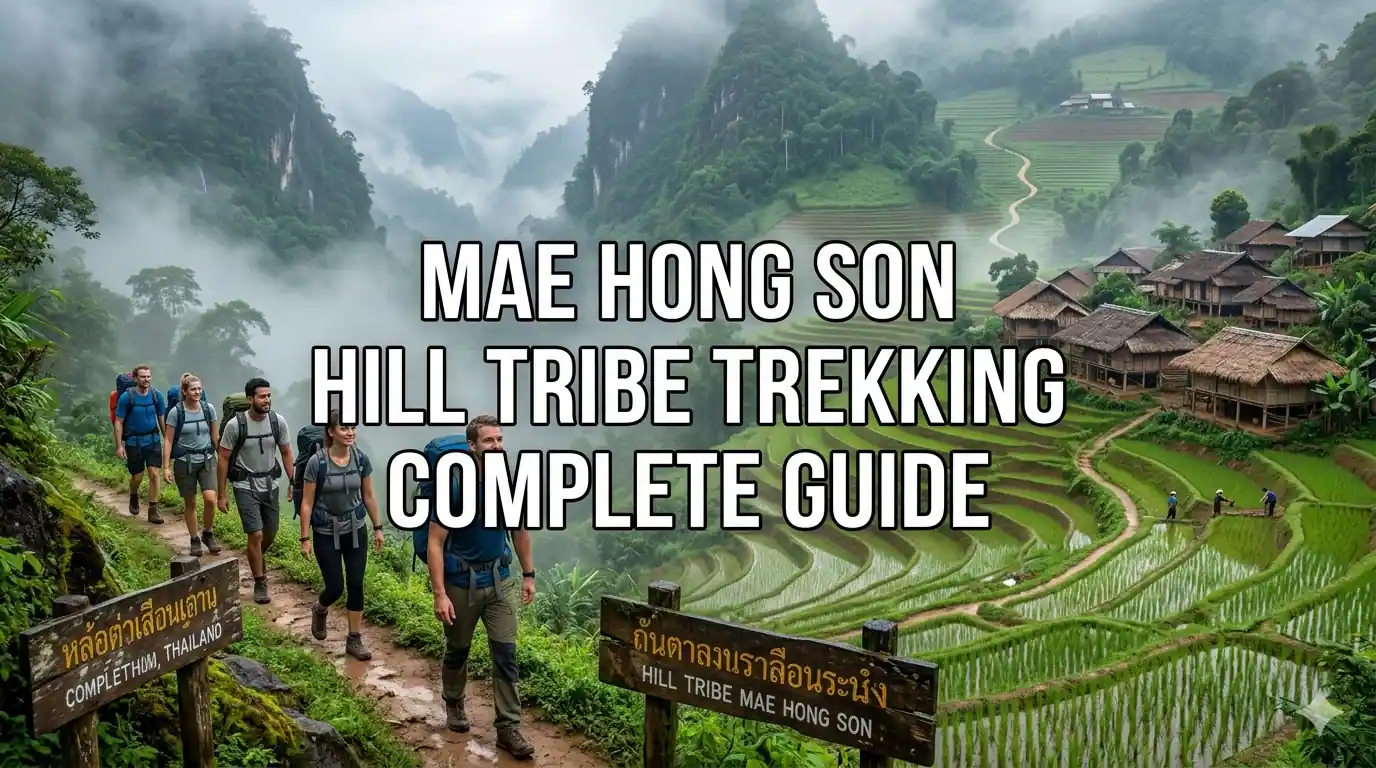
Quick Summary and Core Trekking Guide
Mae Hong Son Province in Northern Thailand offers some of Southeast Asia's most spectacular and authentic multi-day trekking experiences, with remote hill tribe villages nestled in misty mountains, terraced rice fields, and pristine forests. The province is home to diverse ethnic minorities including Karen (Long Neck and S'gaw), Hmong, Lisu, Lahu, and Akha communities, each maintaining distinct cultures, traditions, and ways of life. Trekking through these remote villages provides unparalleled opportunities for cultural immersion, stunning mountain scenery, and authentic interactions with communities that have preserved their heritage for generations. This comprehensive guide enables adventure travelers to plan safe, respectful, and unforgettable multi-day treks to Mae Hong Son's hill tribe villages, with verified 2026 information on trekking routes, guide services, permit requirements, costs, accommodation options, cultural etiquette, packing lists, and seasonal considerations for the ultimate Northern Thailand trekking adventure.
The primary user intent centers on understanding trekking route options and difficulty levels, finding reputable local guides and tour operators, learning about permit requirements and regulations, budgeting for multi-day treks, understanding cultural etiquette for village visits, planning logistics from Chiang Mai or Mae Hong Son town, and preparing physically and mentally for remote mountain trekking. You need verified pricing in both THB and USD for guides, permits, accommodation, and meals, specific trekking route details with distances and elevations, information on village homestays versus camping, seasonal weather patterns, and practical tips for respectful cultural interactions. This guide delivers detailed, actionable information based on current regulations, verified trekking operator information, and authentic traveler experiences.
Average trekkers report that Mae Hong Son's hill tribe village treks offer exceptional value and authenticity compared to more commercialized trekking destinations in Northern Thailand. Multi-day treks typically cost USD 40-80 per day including guide, permits, accommodation, and meals, significantly less than similar treks in other Southeast Asian countries. Most trekkers allocate USD 200-500 for 3-7 day treks depending on group size, trek difficulty, and level of comfort. The combination of stunning mountain scenery, authentic cultural experiences, affordable costs, and well-established trekking infrastructure makes Mae Hong Son ideal for both first-time trekkers and experienced hikers seeking meaningful cultural immersion in Northern Thailand's most remote and beautiful province.
Essential Mae Hong Son Trekking Data for 2026
| Popular Trek Durations | 2-7 days, 3-4 days most common |
| Trekking Cost Per Day | USD 40-80 (THB 1,400-2,800) including guide, meals, accommodation |
| Guide Requirement | Mandatory for remote village treks, THB 1,000-1,500/day |
| Best Trekking Season | November to February (cool, dry season) |
| Permit Requirements | Required for certain villages, THB 200-500 per person |
| Distance from Chiang Mai | 250 kilometers, 5-6 hours by bus/van |
| Number of Hill Tribe Villages | Over 200 villages from 6 major ethnic groups |
Understanding Mae Hong Son's Hill Tribe Communities

Mae Hong Son Province is home to Thailand's most diverse and well-preserved hill tribe communities, with over 200 villages representing six major ethnic groups. Understanding these communities is essential for planning respectful and meaningful treks.
Karen (Kayah/Kayah Li and S'gaw Karen)
The Karen are the largest hill tribe group in Mae Hong Son, with distinct sub-groups including the famous Long Neck Karen (Kayah Li or Padaung) and S'gaw Karen. Long Neck Karen women are known for wearing brass coils around their necks, a tradition dating back centuries. S'gaw Karen villages are more common throughout the province and offer authentic cultural experiences without the tourist commercialization found in some Long Neck villages near the Myanmar border.
Cultural Highlights: Traditional weaving, rice farming, animist beliefs mixed with Buddhism, distinctive clothing and jewelry, traditional music and dance.
Village Locations: Scattered throughout Mae Hong Son Province, particularly in Khun Yuam, Pai, and Mae Sariang districts.
Hmong (Miao)
The Hmong are the second-largest hill tribe group in Mae Hong Son, known for their vibrant traditional clothing, silver jewelry, and New Year celebrations featuring traditional games and courtship rituals. Hmong villages are typically located at higher elevations (1,000-1,500 meters) and practice both traditional agriculture and cash crop farming.
Cultural Highlights: Intricate embroidery and textile work, silver smithing, traditional New Year celebrations (December-January), shamanistic spiritual practices, traditional housing architecture.
Village Locations: Higher elevation areas throughout the province, particularly around Mae Hong Son town and Pai.
Lisu
The Lisu are known for their colorful traditional dress, particularly women's elaborate headdresses and clothing decorated with coins, beads, and silver ornaments. Lisu villages are often located in scenic mountain valleys and are known for their hospitality and well-preserved cultural traditions.
Cultural Highlights: Vibrant traditional clothing with distinctive patterns, animist beliefs, traditional music using bamboo instruments, rice terraces, Christian influences in some communities.
Village Locations: Throughout Mae Hong Son Province, particularly in Sop Moei and Mae La Noi districts.
Lahu (Muser)
The Lahu, sometimes called "Muser" in Thai, are skilled hunters and farmers known for their black traditional clothing and strong community bonds. Lahu villages maintain traditional governance systems and spiritual practices centered around village shamans.
Cultural Highlights: Traditional hunting practices, black traditional clothing, animist spiritual beliefs, strong community organization, traditional music and dance.
Village Locations: Remote mountain areas throughout the province, often at higher elevations.
Akha
The Akha are known for their elaborate headdresses worn by women, decorated with silver coins, beads, and colorful fabrics. Akha villages feature distinctive architecture with ornately carved wooden gates marking village entrances.
Cultural Highlights: Elaborate women's headdresses, traditional gate architecture, animist beliefs with ancestor worship, swidden (rotational) agriculture, traditional swing festivals.
Village Locations: Higher elevation areas, particularly in northern Mae Hong Son Province near the Myanmar border.
Palaung (Ta-ang)
The Palaung are a smaller hill tribe group in Mae Hong Son, known for their tea cultivation and distinctive traditional clothing. Palaung communities maintain strong cultural traditions and are known for their hospitality to visitors.
Cultural Highlights: Tea cultivation and processing, traditional weaving, Buddhist influences mixed with animist beliefs, distinctive clothing styles.
Village Locations: Scattered throughout the province, often in areas suitable for tea cultivation.
Planning Your Multi-Day Trek: Routes and Durations

Mae Hong Son offers diverse trekking routes ranging from easy 2-day treks to challenging 7+ day expeditions. Choosing the right route depends on your fitness level, time availability, cultural interests, and desired level of remoteness.
Popular Trekking Routes
2-Day/1-Night Treks (Beginner Friendly)
Ideal for first-time trekkers or those with limited time. These treks typically cover 10-15 kilometers total with moderate elevation gain.
Sample Route: Mae Hong Son town → Karen village (overnight homestay) → Return to town or continue to second village
Highlights: Introduction to hill tribe culture, manageable distance, comfortable introduction to trekking
Cost: USD 80-120 (THB 2,800-4,200) per person including guide, meals, homestay
3-Day/2-Night Treks (Most Popular)
The most popular option, offering good balance of cultural immersion and physical challenge. Typically covers 25-35 kilometers with moderate to challenging terrain.
Sample Route: Mae Hong Son → S'gaw Karen village (night 1) → Hmong village (night 2) → Return to town or different endpoint
Highlights: Multiple ethnic groups, authentic homestays, rice terraces, waterfalls, mountain scenery
Cost: USD 120-180 (THB 4,200-6,300) per person including guide, meals, accommodation
4-Day/3-Night Treks (Intermediate)
For trekkers wanting deeper cultural immersion and more challenging terrain. Covers 35-50 kilometers with significant elevation changes.
Sample Route: Mae Hong Son → Karen village → Lisu village → Hmong village → Return or continue to Pai
Highlights: Three different ethnic groups, remote villages, waterfalls, mountain passes, authentic cultural experiences
Cost: USD 160-240 (THB 5,600-8,400) per person
5-7 Day Treks (Advanced/Experienced)
For experienced trekkers seeking remote villages and challenging multi-day expeditions. Covers 50-100+ kilometers with significant elevation gain and remote locations.
Sample Route: Mae Hong Son → Multiple villages → Remote areas near Myanmar border → Return or exit at different location
Highlights: Very remote villages, pristine nature, multiple ethnic groups, challenging terrain, authentic cultural immersion
Cost: USD 250-450 (THB 8,750-15,750) per person
Note: Some remote areas require special permits and experienced guides
Trekking Route Comparison Table
| Duration | Distance | Difficulty | Villages Visited | Best For | Cost (USD) |
|---|---|---|---|---|---|
| 2 days/1 night | 10-15 km | Easy-Moderate | 1-2 villages | First-time trekkers, limited time | 80-120 |
| 3 days/2 nights | 25-35 km | Moderate | 2-3 villages | Most travelers, good balance | 120-180 |
| 4 days/3 nights | 35-50 km | Moderate-Challenging | 3-4 villages | Experienced trekkers, cultural immersion | 160-240 |
| 5-7 days | 50-100+ km | Challenging | 4-6+ villages | Experienced trekkers, remote adventure | 250-450 |
Finding Reputable Guides and Tour Operators

Hiring a local guide is mandatory for trekking to remote hill tribe villages in Mae Hong Son. Guides ensure safety, facilitate cultural interactions, handle permits, and provide valuable cultural context. Choosing the right guide or tour operator is crucial for a successful trek.
Types of Guide Services
Local Independent Guides
Individual guides based in Mae Hong Son town or villages who offer personalized trekking experiences.
Cost: THB 1,000-1,500 (USD 28-42) per day
Pros: Personalized service, flexible itineraries, direct income to local community, often speak multiple hill tribe languages
Cons: Need to arrange separately, variable English proficiency, need to verify credentials
How to Find: Recommendations from hotels/hostels, local tourism office, other travelers
Local Trekking Agencies
Established companies based in Mae Hong Son offering organized treks with professional guides.
Cost: USD 40-80 per day per person (all-inclusive)
Pros: Professional service, permits handled, equipment provided, insurance coverage, reliable
Cons: Less flexible than independent guides, higher cost, may be larger groups
Recommended Agencies:
- Mae Hong Son Trekking Club (established, reliable)
- Green Tiger Trekking (community-based, ethical)
- Hill Tribe Experience (cultural focus, small groups)
- Local community-based tourism initiatives
Community-Based Tourism (CBT) Programs
Village-run trekking programs where communities manage tours directly, ensuring income stays within the village.
Cost: USD 35-60 per day per person
Pros: Direct community benefit, authentic experiences, cultural preservation support, often lower cost
Cons: Limited availability, basic facilities, less English proficiency, need advance booking
How to Find: Community tourism networks, responsible travel agencies, local tourism office
Questions to Ask When Booking
Guide Qualifications:
- Are guides licensed and trained in first aid?
- Do guides speak English and hill tribe languages?
- What is the guide-to-trekker ratio?
Trek Details:
- What villages will we visit and are they authentic (not tourist traps)?
- What type of accommodation (homestay, camping, village guesthouse)?
- What meals are included and can dietary restrictions be accommodated?
- What is the daily walking distance and elevation gain?
Inclusions and Costs:
- What is included in the price (guide, permits, meals, accommodation, equipment)?
- Are there additional costs or tips expected?
- What is the cancellation policy?
Cultural and Environmental Responsibility:
- How does the trek benefit local communities?
- What cultural etiquette guidelines are provided?
- What environmental practices are followed?
Red Flags to Avoid
- Prices significantly below market rate (may indicate unethical practices)
- Unwillingness to provide detailed itinerary or village names
- Promises of "exotic" or "primitive" tribe experiences (exploitative)
- No clear information on guide qualifications or permits
- Pressure to book immediately without time to research
Permits, Regulations, and Legal Requirements

Trekking to hill tribe villages in Mae Hong Son requires understanding and compliance with Thai regulations designed to protect both visitors and local communities.
Required Permits
Trekking Permit
Required for all multi-day treks to remote villages.
Cost: THB 200-500 (USD 6-14) per person
Where to Obtain: Mae Hong Son Immigration Office, local trekking agencies can arrange
Processing Time: Same day to 2 days
Required Documents: Passport copy, itinerary, guide information
Border Area Permit
Required for treks within 10 kilometers of Myanmar border (some remote areas).
Cost: THB 500-1,000 (USD 14-28)
Processing Time: 3-7 days advance notice required
Note: Your guide or trekking agency should handle this
Village Entry Permission
Some villages require advance permission from village headmen.
Cost: Sometimes small contribution to village fund (THB 100-300)
Arrangement: Your guide handles this
Important Regulations
Guide Requirement: Foreign trekkers must be accompanied by licensed Thai guide for multi-day treks to remote villages. Independent trekking without guide is not permitted in remote areas.
Protected Areas: Some areas are within national parks or wildlife sanctuaries requiring additional permits and fees.
Photography: Always ask permission before photographing people, especially in villages. Some communities have restrictions on photography of certain ceremonies or locations.
Drone Use: Drone use requires special permission from Thai authorities and village headmen. Generally not recommended for hill tribe village treks.
Restricted Areas: Some border areas near Myanmar are restricted or require special military permission. Your guide will know which areas are accessible.
Travel Insurance Requirements
While not legally required, comprehensive travel insurance with medical evacuation coverage is strongly recommended for trekking in remote areas.
Coverage Should Include:
- Medical expenses and evacuation (minimum USD 50,000)
- Trekking and hiking activities
- Emergency evacuation from remote areas
- Trip cancellation/interruption
Recommended Providers: World Nomads, SafetyWing, Allianz Global Assistance
Accommodation Options on Trek

Multi-day treks in Mae Hong Son offer different accommodation styles, each with unique advantages and cultural experiences.
Village Homestays (Most Authentic)
Staying with local families in hill tribe villages provides the most authentic cultural immersion experience.
What to Expect:
- Simple bamboo or wooden houses with basic amenities
- Sleeping on mats or thin mattresses on floor
- Mosquito nets provided
- Shared bathroom facilities (often outdoor)
- Meals with host family (vegetarian options usually available)
- Opportunities to participate in daily activities
Cost: Usually included in trek package or THB 200-400 (USD 6-11) per night
Cultural Etiquette:
- Remove shoes before entering house
- Respect family privacy and sleeping areas
- Participate in meals when invited
- Bring small gift for host family (fruit, snacks from town)
- Ask permission before using facilities
Best For: Cultural immersion, authentic experiences, supporting local communities
Village Guesthouses
Some larger villages have simple guesthouses offering basic rooms for trekkers.
What to Expect:
- Simple private or shared rooms
- Basic beds with mattresses
- Shared bathroom facilities
- Sometimes hot water available
- More privacy than homestays
Cost: THB 300-600 (USD 8-17) per night
Best For: Those wanting more privacy while still in village setting
Camping
Some treks involve camping in designated areas near villages or in nature.
What to Expect:
- Tents provided by guide/agency or bring your own
- Sleeping bags and mats usually provided
- Outdoor cooking and meals
- More physical comfort than homestays
- Closer to nature
Cost: Usually included in trek package
Best For: Nature lovers, those uncomfortable with homestays, remote area treks
Eco-Lodges
A few community-based eco-lodges offer more comfortable accommodation while supporting local communities.
What to Expect:
- Comfortable beds with quality linens
- Private or shared bathrooms with hot water
- Electricity and sometimes WiFi
- Meals prepared with local ingredients
- Community-owned and operated
Cost: THB 800-1,500 (USD 22-42) per night
Best For: Those wanting comfort while supporting communities, less adventurous trekkers
What to Pack for Multi-Day Trekking

Proper packing is essential for comfort, safety, and cultural respect on Mae Hong Son treks. Pack light but prepare for variable conditions.
Essential Clothing
Trekking Clothes:
- Lightweight, quick-dry trekking pants (2 pairs) - avoid shorts in villages (culturally inappropriate)
- Moisture-wicking t-shirts (3-4) - avoid sleeveless in villages
- Long-sleeve shirt for sun/insect protection
- Light fleece or jacket for cool mornings/evenings (can be 10-15°C/50-59°F)
- Rain jacket or poncho (essential in rainy season)
- Underwear and socks (moisture-wicking preferred)
- Comfortable trekking boots or shoes with good grip
- Sandals or camp shoes for evenings
Cultural Considerations:
- Modest clothing for village visits (shoulders and knees covered)
- Avoid tight or revealing clothing
- Remove shoes when entering homes and temples
- Bring sarong or long cloth for temple visits
Equipment and Gear
Essential Items:
- Daypack (20-30 liters) for daily essentials
- Sleeping bag (lightweight, rated to 10°C/50°F) - often provided but bring your own for hygiene
- Sleeping bag liner (silk or cotton) for hygiene
- Headlamp or flashlight with extra batteries
- Water bottles or hydration system (2-3 liters capacity)
- Water purification tablets or filter
- Personal first aid kit
- Insect repellent (DEET-based most effective)
- Sunscreen (SPF 30+)
- Sunglasses
- Hat or cap for sun protection
- Quick-dry towel
- Toiletries (biodegradable soap preferred)
- Toilet paper and hand sanitizer
- Small padlock for securing belongings
Optional but Useful:
- Trekking poles (helpful for steep terrain)
- Camera with extra batteries and memory cards
- Power bank for charging devices
- Book or journal
- Small gifts for village children (pencils, stickers - but avoid creating dependency)
- Cash in small bills (THB 100, 500 notes)
Food and Snacks
While meals are usually provided on treks, bring snacks for energy:
- Energy bars or trail mix
- Dried fruit
- Chocolate or candy
- Electrolyte tablets or powder
- Personal snacks if you have dietary restrictions
Important Documents
- Passport (original and copies)
- Trekking permit
- Travel insurance information
- Emergency contact information
- Cash (ATMs not available in remote villages)
Packing Weight Guidelines
- Total pack weight: 8-12 kg (18-26 lbs) maximum
- Daypack: 3-5 kg (7-11 lbs)
- Your guide or porters can often carry main pack for additional fee (THB 300-500/day)
Sample Packing List by Category
| Category | Essential Items | Weight |
|---|---|---|
| Clothing | Trekking pants, shirts, jacket, underwear, socks, sandals | 3-4 kg |
| Footwear | Trekking boots, camp shoes | 1-1.5 kg |
| Sleeping | Sleeping bag, liner | 1-1.5 kg |
| Hydration | Water bottles, purification | 0.5-1 kg |
| Safety | First aid, insect repellent, sunscreen, headlamp | 0.5 kg |
| Documents | Passport, permits, insurance, cash | 0.2 kg |
| Miscellaneous | Toiletries, snacks, camera, power bank | 1-2 kg |
| Total | All categories | 8-12 kg |
Physical Preparation and Fitness Requirements

Mae Hong Son treks vary in difficulty, but all require reasonable fitness and preparation for mountain terrain and tropical climate.
Fitness Requirements by Trek Duration
2-3 Day Treks (Easy-Moderate)
- Daily walking: 4-6 hours
- Distance: 8-12 km per day
- Elevation gain: 300-600 meters per day
- Fitness level: Basic fitness, able to walk 4-6 hours on uneven terrain
- Preparation: Regular walking, some stair climbing
4-5 Day Treks (Moderate)
- Daily walking: 5-7 hours
- Distance: 10-15 km per day
- Elevation gain: 500-900 meters per day
- Fitness level: Good fitness, regular hiking experience helpful
- Preparation: Regular hiking, cardio exercise, leg strengthening
6-7+ Day Treks (Challenging)
- Daily walking: 6-8 hours
- Distance: 12-18 km per day
- Elevation gain: 700-1,200 meters per day
- Fitness level: Very good fitness, previous multi-day trekking experience recommended
- Preparation: Regular hiking with pack, cardio training, elevation training if possible
Pre-Trek Training Program (4-6 Weeks Before)
Week 1-2: Base Building
- Walk 30-45 minutes daily on flat terrain
- Add stair climbing 2-3 times per week
- Light strength training (squats, lunges, core)
- Stretching and flexibility work
Week 3-4: Building Endurance
- Increase walks to 60-90 minutes
- Add hills or stairs to walks
- Practice walking with daypack (5-7 kg)
- Continue strength training
Week 5-6: Trek-Specific Training
- Long walks 2-3 hours with pack (8-10 kg)
- Include elevation gain similar to trek
- Practice on uneven terrain if possible
- Maintain cardio and strength work
Health Considerations
Medical Preparation:
- Visit doctor 4-6 weeks before trek
- Update routine vaccinations
- Discuss altitude considerations (some villages at 1,200-1,500m)
- Get prescription medications and copies of prescriptions
- Discuss any health concerns with trekking operator
Common Health Issues:
- Blisters: Break in boots before trek, bring blister treatment
- Dehydration: Drink 3-4 liters water daily
- Heat exhaustion: Trek during cooler hours, rest in shade
- Altitude sickness: Ascend gradually, stay hydrated, recognize symptoms
- Insect bites: Use repellent, wear long sleeves/pants
- Digestive issues: Drink bottled/purified water, be cautious with food
Cultural Etiquette and Responsible Tourism

Visiting hill tribe villages is a privilege that requires respect, cultural sensitivity, and responsible behavior. Following proper etiquette ensures positive interactions and supports sustainable tourism.
General Cultural Etiquette
Before Entering Villages:
- Always ask permission before entering villages or private property
- Your guide should arrange village visits in advance
- Respect village boundaries and sacred areas
- Some areas may be restricted (cemeteries, spiritual sites)
Dress Code:
- Wear modest clothing covering shoulders and knees
- Avoid tight, revealing, or flashy clothing
- Remove shoes before entering homes and temples
- Bring sarong or long cloth for temple visits
Photography Etiquette:
- ALWAYS ask permission before photographing people
- Respect if someone declines to be photographed
- Avoid photographing during private moments or ceremonies unless invited
- Some villages may request small fee for photography (THB 50-100)
- Never use flash photography inside homes
- Show photos to villagers if they're interested
Interactions with Villagers:
- Greet people with "Sawasdee" (hello) and respectful "wai" gesture
- Speak softly and calmly
- Ask before touching anything in homes
- Don't touch people's heads (considered sacred)
- Don't point feet at people or Buddha images
- Accept food/drink offerings graciously (even if just tasting)
- Learn a few words in local language (your guide can teach you)
Gifting and Economic Interactions
Appropriate Gifts:
- Small gifts for host families: fruit, snacks, school supplies
- Avoid giving money directly to individuals (creates dependency)
- If giving to children, give to parents or teacher to distribute
- Useful items: pencils, notebooks, soap, rice, cooking oil
- Ask your guide what's appropriate for specific villages
Purchasing Handicrafts:
- Buy directly from artisans when possible
- Pay fair prices (ask guide about typical prices)
- Don't haggle aggressively - these are handmade items
- Understand the time and skill involved in traditional crafts
- Purchasing supports traditional skills and provides income
Avoiding Harmful Practices:
- Don't give candy or sweets to children (dental health issues)
- Don't encourage begging or dependency
- Don't promise to send things or return if you won't
- Don't make villagers perform for photos
- Don't treat villages as human zoos - these are real communities
Environmental Responsibility
Waste Management:
- Pack out all trash (nothing biodegrades quickly in mountains)
- Bring reusable water bottles and containers
- Use biodegradable soap and toiletries
- Don't litter or leave trash in villages or nature
- Respect village waste disposal systems
Water and Resources:
- Conserve water (limited in remote villages)
- Don't contaminate water sources
- Use established toilets or follow guide's instructions
- Don't pick plants or disturb wildlife
- Stay on established trails
Supporting Sustainability:
- Choose community-based tourism operators
- Stay in village homestays when available
- Eat local food prepared by villagers
- Hire local guides and porters
- Respect village rules and customs
Specific Cultural Considerations by Ethnic Group
Karen (Long Neck):
- Brass neck coils are cultural tradition, not forced
- Don't stare or make comments about necks
- Ask permission before photographing
- Respect that this is their culture, not a spectacle
Hmong:
- New Year celebrations (December-January) are important family time
- Some villages may restrict visitors during ceremonies
- Respect spiritual practices and shamans
Lisu:
- Known for hospitality - accept offerings graciously
- Respect Christian influences in some communities
- Traditional dress is worn with pride
Lahu:
- Strong community governance - respect village leaders
- Hunting traditions are part of culture
- Animist spiritual practices are important
Akha:
- Village gates are spiritually significant - don't touch or climb
- Swing festivals are important cultural events
- Elaborate headdresses are worn with pride
Sample Multi-Day Trek Itineraries

These sample itineraries provide frameworks for planning your Mae Hong Son hill tribe village trek. Actual routes may vary based on season, weather, and village availability.
3-Day/2-Night Trek: Introduction to Hill Tribes
Day 1: Mae Hong Son to Karen Village
- 7:00 AM: Meet guide in Mae Hong Son, check equipment
- 8:00 AM: Drive 30 minutes to trek starting point
- 8:30 AM: Begin trek through forest and rice terraces (4 hours, 8 km)
- 12:30 PM: Lunch at scenic viewpoint
- 1:30 PM: Continue trek to S'gaw Karen village (2 hours)
- 3:30 PM: Arrive at village, meet host family
- 4:00 PM: Rest, explore village, help with evening preparations
- 6:00 PM: Dinner with host family, cultural exchange
- 8:00 PM: Evening in village, early rest
Highlights: Rice terraces, forest scenery, Karen culture, homestay experience
Difficulty: Easy-Moderate
Distance: 10 km
Elevation: 600m gain, 200m loss
Day 2: Karen Village to Hmong Village
- 6:00 AM: Wake up, breakfast with host family
- 7:00 AM: Village walk, learn about daily life
- 8:30 AM: Depart village, trek through mountains (5 hours, 12 km)
- 1:30 PM: Lunch by stream or waterfall
- 2:30 PM: Continue trek to Hmong village (2 hours)
- 4:30 PM: Arrive at Hmong village, settle in
- 5:30 PM: Village exploration, meet villagers
- 7:00 PM: Dinner, learn about Hmong culture and traditions
- 9:00 PM: Rest
Highlights: Mountain scenery, waterfalls, Hmong culture, traditional clothing
Difficulty: Moderate
Distance: 14 km
Elevation: 800m gain, 600m loss
Day 3: Hmong Village to Mae Hong Son
- 6:00 AM: Breakfast, pack
- 7:00 AM: Morning village activities (optional: help with morning chores)
- 8:30 AM: Depart village, trek back toward Mae Hong Son (4 hours, 10 km)
- 12:30 PM: Lunch en route
- 2:30 PM: Arrive at road, vehicle pickup
- 3:30 PM: Return to Mae Hong Son town
- 4:00 PM: Trek ends, free time in town
Highlights: Morning village life, mountain views, completion of trek
Difficulty: Moderate
Distance: 10 km
Elevation: 400m gain, 900m loss
Total Trek Cost: USD 120-180 per person
5-Day/4-Night Trek: Deep Cultural Immersion
Day 1: Mae Hong Son to Lisu Village
- Trek: 12 km, 5 hours
- Overnight: Lisu village homestay
- Highlights: Forest trek, Lisu culture, traditional clothing
Day 2: Lisu Village to Karen Village
- Trek: 14 km, 6 hours
- Overnight: Karen village homestay
- Highlights: Mountain passes, rice terraces, Karen traditions
Day 3: Karen Village to Remote Hmong Settlement
- Trek: 16 km, 7 hours
- Overnight: Remote Hmong village (basic facilities)
- Highlights: Remote areas, pristine nature, authentic culture
Day 4: Hmong Village to Lahu Village
- Trek: 13 km, 5-6 hours
- Overnight: Lahu village homestay
- Highlights: Lahu culture, traditional practices, village life
Day 5: Lahu Village to Mae Hong Son
- Trek: 11 km, 4-5 hours
- Afternoon: Return to town
- Highlights: Final trek, reflection on journey
Total Trek Cost: USD 220-320 per person
7-Day/6-Night Trek: Ultimate Remote Adventure
This extended trek visits 6-7 different villages from multiple ethnic groups, including some very remote communities. Requires good fitness and adventurous spirit.
Route Overview:
- Days 1-2: Mae Hong Son → Karen → Lisu villages
- Days 3-4: Lisu → Hmong → Akha villages (remote areas)
- Days 5-6: Akha → Lahu → Palaung villages
- Day 7: Return to Mae Hong Son
Total Distance: 70-85 km over 7 days
Elevation: Significant gains/losses daily (500-1,000m)
Difficulty: Challenging
Total Trek Cost: USD 350-500 per person
Includes: Guide, all meals, accommodation, permits, porter service
Costs and Budgeting for Your Trek

Understanding all costs helps you budget appropriately and avoid surprises. Mae Hong Son treks offer excellent value compared to similar experiences elsewhere.
Trek Cost Breakdown
Guide Fees:
- Licensed local guide: THB 1,000-1,500 (USD 28-42) per day
- Assistant guide (for groups 6+): THB 800-1,000 (USD 22-28) per day
- English-speaking guide premium: +20-30%
Permit Fees:
- Trekking permit: THB 200-500 (USD 6-14) per person
- Border area permit (if needed): THB 500-1,000 (USD 14-28)
- Village entry fees: THB 100-300 (USD 3-8) per village
Accommodation:
- Village homestay: THB 200-400 (USD 6-11) per night (often included in package)
- Village guesthouse: THB 300-600 (USD 8-17) per night
- Camping (equipment rental): THB 200-400 (USD 6-11) per night
Meals:
- Breakfast: THB 100-150 (USD 3-4)
- Lunch: THB 150-250 (USD 4-7)
- Dinner: THB 150-300 (USD 4-8)
- Daily meal cost: THB 400-700 (USD 11-20)
- Usually included in trek package
Porter Service (Optional):
- Porter to carry your pack: THB 500-800 (USD 14-22) per day
- Recommended for longer treks or if you prefer lighter load
Equipment Rental (If Needed):
- Sleeping bag: THB 100-200 (USD 3-6) per day
- Trekking poles: THB 100-150 (USD 3-4) per day
- Rain gear: THB 100-200 (USD 3-6) per day
Transportation:
- Transfer to trek start point: THB 500-1,000 (USD 14-28) per vehicle
- Return transfer: THB 500-1,000 (USD 14-28)
- Usually included in package
Sample Budget for 4-Day/3-Night Trek
Budget Option (Independent with Local Guide):
- Guide (4 days): THB 5,000 (USD 140)
- Permits: THB 600 (USD 17)
- Homestays (3 nights): THB 900 (USD 25)
- Meals (4 days): THB 2,000 (USD 56)
- Transportation: THB 1,000 (USD 28)
- Miscellaneous: THB 500 (USD 14)
Total: THB 10,000 (USD 280) per person (assuming 2 people sharing guide)
Mid-Range Option (Through Trekking Agency):
- Package price: THB 6,000-8,000 (USD 168-224) per person
- Includes: Guide, permits, accommodation, meals, transport
- Tips and personal expenses extra
Comfort Option (Private Guide + Porter):
- Package price: THB 10,000-14,000 (USD 280-392) per person
- Includes: Private guide, porter, better accommodation, all meals
Additional Costs to Consider
Before Trek:
- Travel insurance: USD 30-80
- Vaccinations/medications: USD 50-200
- Equipment purchase: USD 100-500 (if needed)
- Accommodation in Mae Hong Son before/after: USD 15-60 per night
During Trek:
- Snacks and drinks: THB 300-500 (USD 8-14)
- Village souvenirs/handicrafts: THB 500-2,000 (USD 14-56)
- Tips for guide: THB 500-1,000 (USD 14-28)
- Tips for porters: THB 300-500 (USD 8-14)
- Village contributions: THB 200-500 (USD 6-14)
After Trek:
- Laundry: THB 100-200 (USD 3-6)
- Celebration meal: THB 300-600 (USD 8-17)
- Massage: THB 200-400 (USD 6-11)
Money-Saving Tips
- Join group treks rather than private (USD 20-40 savings per day)
- Book directly with local guides (avoid agency markup)
- Trek in low season (March-May, September-October) for lower prices
- Bring your own sleeping bag and equipment
- Pack snacks from town rather than buying in villages
- Travel with friends to split guide costs
- Stay in basic homestays rather than guesthouses
Payment and Tipping
Payment Methods:
- Cash (Thai Baht) preferred
- Some agencies accept credit cards (3-5% fee)
- 50% deposit common for booking, balance before trek
Tipping Guidelines:
- Guide: THB 500-1,000 (USD 14-28) for 3-4 day trek
- Assistant guide: THB 300-500 (USD 8-14)
- Porter: THB 200-400 (USD 6-11)
- Cook (if applicable): THB 300-500 (USD 8-14)
- Tip at end of trek based on service quality
- Tips are appreciated but not mandatory
Safety Considerations and Emergency Preparedness

Trekking in remote mountain areas requires awareness of risks and preparation for emergencies. Following safety guidelines ensures a safe and enjoyable experience.
Common Risks and Prevention
Terrain and Weather:
- Risk: Slippery trails, steep sections, sudden weather changes
- Prevention: Wear proper footwear with good grip, use trekking poles, check weather forecast, start early to avoid afternoon rain, follow guide's instructions
Wildlife:
- Risk: Snakes (cobras, vipers), insects, wild animals
- Prevention: Watch where you step and place hands, wear long pants and boots, use insect repellent, don't approach wild animals, carry snake bite kit if concerned
- Note: Snake bites are rare but serious. Know nearest medical facility.
Health Issues:
- Risk: Dehydration, heat exhaustion, blisters, altitude sickness, digestive issues
- Prevention: Drink 3-4 liters water daily, trek during cooler hours, wear appropriate clothing, break in boots before trek, ascend gradually, eat safe food, carry personal first aid kit
Getting Lost:
- Risk: Straying from trail in remote areas
- Prevention: Always stay with guide, don't wander off alone, carry whistle and mirror for signaling, inform guide if you need to stop
Emergency Procedures
Emergency Contacts:
- Tourist Police: 1155
- Mae Hong Son Hospital: +66-53-611-299
- Your guide's emergency contact
- Trekking agency emergency number
- Travel insurance emergency assistance
- Embassy/consulate contact
Medical Evacuation:
- Remote villages have limited medical facilities
- Serious injuries require evacuation to Mae Hong Son town or Chiang Mai
- Evacuation can take 4-12 hours depending on location
- Helicopter evacuation available for critical cases (very expensive)
- Travel insurance with medical evacuation coverage ESSENTIAL
Communication:
- Mobile phone coverage limited in remote areas
- Some guides carry satellite phones for emergencies
- Inform someone of your itinerary before trek
- Establish check-in schedule with guide
First Aid Kit Essentials
Your guide should carry comprehensive first aid kit, but bring personal kit with:
- Blister treatment (moleskin, bandages)
- Antiseptic wipes and cream
- Pain relievers (ibuprofen, acetaminophen)
- Antihistamines for allergic reactions
- Anti-diarrheal medication
- Rehydration salts
- Personal prescription medications
- Insect bite treatment
- Sunscreen and lip balm
- Any personal medical supplies
Weather and Seasonal Considerations
Cool Season (November-February):
- Best trekking conditions
- Cool mornings (10-15°C/50-59°F), warm days (25-30°C/77-86°F)
- Minimal rain
- Clear skies, good visibility
- Risk: Cold nights at higher elevations
Hot Season (March-May):
- Hot days (30-38°C/86-100°F)
- Trek early morning (6 AM - 12 PM)
- Rest during midday heat
- Risk: Heat exhaustion, dehydration
- Increased risk of forest fires (smoke)
Rainy Season (June-October):
- Afternoon rain common
- Trails can be slippery and muddy
- Rivers may be difficult to cross
- Risk: Leeches, landslides, flash floods
- Some trails may be closed
- Lower prices, fewer tourists
- Lush green scenery
Insurance Requirements
Essential Coverage:
- Medical expenses: Minimum USD 50,000
- Emergency evacuation: Minimum USD 100,000
- Trekking and hiking activities
- Remote area coverage
- Repatriation
- Trip cancellation/interruption
- Lost/damaged equipment
Recommended Providers:
- World Nomads (popular with trekkers)
- SafetyWing (affordable, good coverage)
- Allianz Global Assistance
- IMG Global
Important: Verify that policy covers:
- Trekking at elevations you'll reach (up to 1,500m)
- Activities you'll do (hiking, village visits)
- Thailand specifically
- Pre-existing conditions if applicable
Transportation to Mae Hong Son

Getting to Mae Hong Son is part of the adventure. The province is remote and mountainous, requiring planning for arrival and departure.
From Chiang Mai (Most Common Route)
By Bus/Minivan:
- Duration: 5-6 hours
- Cost: THB 300-500 (USD 8-14) one-way
- Departure: Chiang Mai Arcade Bus Station or minivan terminals
- Frequency: 6-8 departures daily (7 AM - 3 PM)
- Comfort: Minivans faster but cramped; buses more comfortable
- Scenic Route: 1,864 curves through mountains - spectacular but can cause motion sickness
- Booking: Book 1-2 days in advance during peak season
By Private Transfer:
- Duration: 4-5 hours
- Cost: THB 2,500-4,000 (USD 70-112) per vehicle
- Advantages: Flexible departure time, comfortable, can stop for photos
- Best For: Groups, those with limited time, comfort seekers
By Motorbike:
- Duration: 5-7 hours
- Cost: THB 300-500 (USD 8-14) rental + fuel
- Experience: Adventurous, scenic, popular with backpackers
- Warning: 1,864 curves, challenging for inexperienced riders
- Safety: Wear helmet, drive carefully, check weather
By Flight:
- Duration: 45 minutes
- Cost: THB 1,500-3,500 (USD 42-98) one-way
- Airlines: Bangkok Airways, Nok Air (seasonal)
- Frequency: 1-2 flights daily
- Best For: Those with limited time, avoiding mountain roads
From Bangkok
By Bus:
- Duration: 12-14 hours
- Cost: THB 600-1,000 (USD 17-28)
- Departure: Bangkok Mo Chit Bus Terminal
- Comfort: Overnight buses with reclining seats
- Best Option: Fly or bus to Chiang Mai, then continue to Mae Hong Son
By Flight:
- Duration: 1 hour 30 minutes
- Cost: THB 2,000-5,000 (USD 56-140)
- Airlines: Bangkok Airways, Thai Smile
- Best For: Those wanting to maximize time
From Myanmar Border
If entering from Myanmar (requires proper visa and border crossing):
- Mae Sai Border: 3-4 hours by bus/minivan
- Mae Sot Border: 6-8 hours by bus
- Ensure proper documentation and permits
Local Transportation in Mae Hong Son
Getting Around Town:
- Songthaew (shared pickup trucks): THB 30-50 per ride
- Motorbike taxi: THB 50-100 per ride
- Bicycle rental: THB 100-200 per day
- Motorbike rental: THB 200-300 per day
Getting to Trek Starting Points:
- Usually included in trek package
- Private taxi: THB 500-1,500 depending on distance
- Your guide will arrange transportation
Travel Tips
- Book transportation in advance during peak season (November-February)
- Bring motion sickness medication for mountain roads
- Pack snacks and water for long bus rides
- Arrive in Mae Hong Son at least 1 day before trek start
- Allow buffer day after trek before departure (in case of delays)
- Keep copies of passport and important documents
- Inform accommodation of your trek dates
Best Time to Visit for Trekking
Timing your trek affects weather conditions, trail accessibility, cultural events, and overall experience. Each season offers different advantages.
Cool Season (November - February) - BEST FOR TREKKING
Weather:
- Days: 25-30°C (77-86°F), sunny and pleasant
- Nights: 10-15°C (50-59°F), cool and comfortable
- Rainfall: Minimal, clear skies
- Humidity: Low, comfortable
Advantages:
- Ideal trekking conditions
- Clear mountain views
- Comfortable temperatures
- All trails accessible
- Peak blooming season for flowers
- Harvest season in villages (cultural activities)
Disadvantages:
- Peak tourist season (more trekkers)
- Higher prices (20-30% above low season)
- Need to book guides/accommodation in advance
- Cooler nights require warmer clothing
Best For: First-time trekkers, photography, comfortable trekking, cultural events
Hot Season (March - May)
Weather:
- Days: 32-38°C (90-100°F), hot and dry
- Nights: 20-25°C (68-77°F), warm
- Rainfall: Very little
- Humidity: Moderate to low
Advantages:
- Fewer tourists
- Lower prices (15-25% below peak)
- Clear skies, good visibility
- Easier to book guides
Disadvantages:
- Very hot, especially midday
- Need to trek early morning (6 AM - 12 PM)
- Risk of heat exhaustion
- Burning season (March-April): Smoke from agricultural fires can reduce air quality and visibility
- Water sources may be limited
Best For: Budget travelers, experienced trekkers comfortable with heat, avoiding crowds
Not Recommended: April (hottest month, worst burning season)
Rainy Season (June - October)
Weather:
- Days: 28-32°C (82-90°F)
- Nights: 20-24°C (68-75°F)
- Rainfall: Frequent afternoon showers, heavy at times
- Humidity: High (80-90%)
Advantages:
- Lush green landscapes
- Waterfalls at full flow
- Fewest tourists
- Lowest prices (30-40% below peak)
- Rice terraces planted and green
- Authentic village life (less tourist influence)
Disadvantages:
- Trails can be muddy and slippery
- Leeches common (June-September)
- Afternoon rain can delay trekking
- Some trails may be closed due to landslides
- River crossings more difficult
- Limited visibility in mountains
- Higher humidity uncomfortable for some
Best For: Budget travelers, experienced trekkers, photographers (dramatic landscapes), those seeking authentic experiences
Not Recommended: September (heaviest rainfall, highest landslide risk)
Seasonal Comparison Table
| Season | Months | Weather | Trekking Conditions | Crowds | Prices | Best For |
|---|---|---|---|---|---|---|
| Cool | Nov-Feb | Pleasant, cool nights | Excellent | High | Peak (+20-30%) | Most trekkers, photography |
| Hot | Mar-May | Very hot, dry | Good (trek early) | Moderate | Mid (-15-25%) | Budget, avoiding crowds |
| Rainy | Jun-Oct | Wet, humid | Challenging | Low | Low (-30-40%) | Experienced, budget, lush scenery |
Cultural Events by Season
November:
- Loi Krathong (floating lanterns) - beautiful festival
- Rice harvest begins in villages
December-February:
- Hmong New Year (dates vary by village) - colorful celebrations
- Cool season festivals in various villages
April:
- Songkran (Thai New Year) - water festival, mid-April
- Very hot, burning season
Year-round:
- Village ceremonies and festivals (ask your guide)
- Weekly markets in Mae Hong Son (Saturday)
Final Preparation Checklist
Use this checklist in the weeks and days before your trek to ensure you're fully prepared.
4-6 Weeks Before Trek
☐ Book trek with reputable guide/agency
☐ Purchase travel insurance with medical evacuation
☐ Visit doctor for check-up and vaccinations
☐ Get prescription medications and copies
☐ Start physical training program
☐ Research and purchase necessary equipment
☐ Book accommodation in Mae Hong Son (pre and post-trek)
☐ Arrange transportation to Mae Hong Son
☐ Check passport validity (6+ months)
☐ Make copies of important documents
2-3 Weeks Before Trek
☐ Confirm trek details with guide/agency
☐ Verify permit arrangements
☐ Purchase remaining equipment
☐ Break in trekking boots
☐ Continue physical training
☐ Research cultural etiquette
☐ Learn basic Thai phrases
☐ Purchase Thai Baht currency
☐ Inform family/friends of itinerary
☐ Arrange pet/house sitting if needed
1 Week Before Trek
☐ Confirm all bookings (accommodation, transport, trek)
☐ Check weather forecast
☐ Pack backpack
☐ Charge all electronics
☐ Download offline maps
☐ Print important documents
☐ Prepare first aid kit
☐ Purchase snacks and water purification
☐ Trim toenails
☐ Rest and hydrate
Day Before Trek
☐ Weigh pack (should be 8-12 kg max)
☐ Confirm meeting time and location with guide
☐ Prepare clothes for next day
☐ Charge phone and camera
☐ Get good night's sleep
☐ Eat light, healthy dinner
☐ Set multiple alarms
Day of Trek
☐ Eat healthy breakfast
☐ Apply sunscreen and insect repellent
☐ Fill water bottles
☐ Double-check pack contents
☐ Leave valuables in hotel safe
☐ Bring cash for tips and extras
☐ Arrive at meeting point 15 minutes early
☐ Meet guide, check equipment
☐ Review itinerary and emergency procedures
☐ Begin your adventure!
0 Comments