.webp)
.webp)
Ironman 70.3 San Salvador 2026: Triathlon Survivor Guide
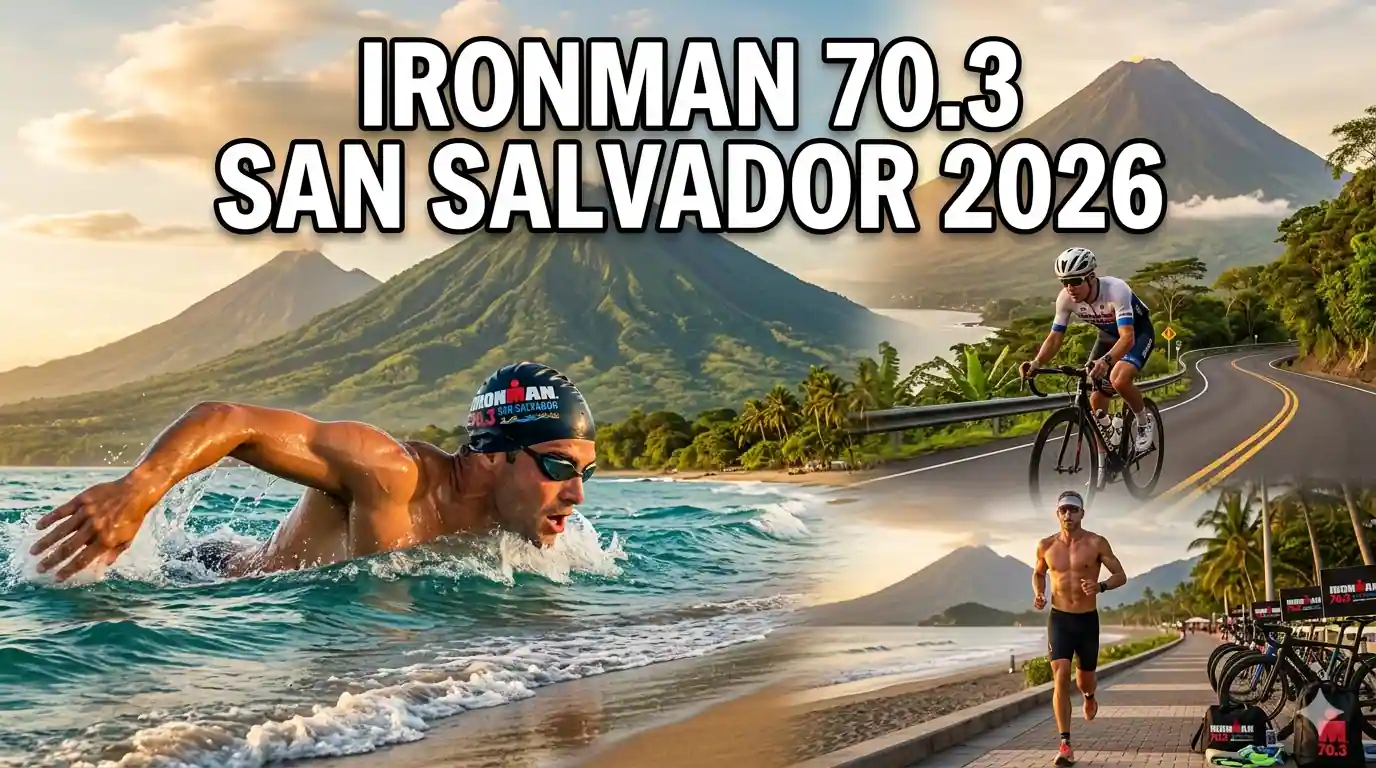
Ironman 70.3 San Salvador 2026: A Survivor's Guide to the February Triathlon Event
For endurance athletes seeking a challenging, culturally rich, and geographically stunning race destination in 2026, the Ironman 70.3 San Salvador stands out as Central America's premier half-Iron distance triathlon. Scheduled for February 2026, this event combines the raw beauty of El Salvador's Pacific coastline, the dramatic backdrop of volcanic highlands, and the warm hospitality of the Salvadoran people into a race experience that tests both physical limits and mental resilience.
The Ironman 70.3 distance—1.2-mile swim, 56-mile bike, 13.1-mile run—is notoriously demanding. Add El Salvador's tropical climate, coastal winds, rolling hills, and cultural immersion, and you have a race that rewards preparation, adaptability, and respect for the environment. Whether you're a seasoned triathlete chasing a personal record or a first-time 70.3 competitor seeking an unforgettable adventure, this comprehensive survivor's guide provides the actionable insights you need to conquer the Ironman 70.3 San Salvador in 2026.
From training strategies and course reconnaissance to travel logistics, nutrition planning, and post-race recovery, this guide covers every aspect of preparing for and surviving one of Central America's most challenging triathlons. Let's dive in.
Understanding the Ironman 70.3 San Salvador: Race Overview

What Is Ironman 70.3?
The Ironman 70.3 series represents the half-Iron distance triathlon: 1.2 miles (1.9 km) swim, 56 miles (90 km) bike, and 13.1 miles (21.1 km) run, totaling 70.3 miles. These events attract athletes of all levels, from age-group competitors to professional triathletes, and serve as qualifiers for the Ironman 70.3 World Championship.
2026 San Salvador event details:
- Race date: February 2026 (exact date TBA; typically mid-February)
- Location: San Salvador metropolitan area and Pacific coast, El Salvador
- Start time: Typically 6:30-7:00 AM local time (allowing cooler conditions for the run)
- Cutoff times: Swim: 1 hour 10 minutes; Bike: 5 hours 30 minutes from race start; Run: 8 hours 30 minutes total
- Field size: Approximately 1,000-1,500 athletes (varies by year)
- Registration: Opens 6-9 months prior via Ironman.com; sells out quickly
- 👉 Honduras Customs 2026: Electronic Declaration & QR Code Guide
- 👉 Is Port-au-Prince Safe for American Tourists in 2026? (Critical Security Update)
- 👉 Trinidad Tobago Flights: Save Money with Caribbean Airlines
Why San Salvador? The Race Environment
El Salvador offers a unique triathlon setting that combines challenge with beauty:
- Pacific Ocean swim: Open-water swim in warm tropical waters with potential for currents and waves
- Coastal and inland bike course: Rolling hills, coastal highways, and volcanic views test cycling strength and strategy
- Urban and scenic run: Mix of city streets and coastal paths with elevation changes and tropical humidity
- Climate: February is El Salvador's dry season with temperatures 24-32°C (75-90°F) and moderate humidity
- Cultural immersion: Post-race celebration with Salvadoran cuisine, music, and hospitality
- 👉 Honduras Customs 2026: Electronic Declaration & QR Code Guide
- 👉 Is Port-au-Prince Safe for American Tourists in 2026? (Critical Security Update)
- 👉 Trinidad Tobago Flights: Save Money with Caribbean Airlines
Course Breakdown: Swim, Bike, Run Survival Strategies

The Swim: 1.2 Miles in the Pacific Ocean
Course profile: The swim typically takes place in the Pacific Ocean near the Costa del Sol or similar coastal venue. Expect warm water temperatures (26-29°C / 79-84°F), potential for moderate waves or currents, and a mass or wave start format.
Survival strategies:
- Acclimatize early: Arrive 2-3 days before race day to practice in open water and adjust to Pacific conditions
- Sight frequently: Ocean swims lack lane lines; lift your head every 6-8 strokes to stay on course
- Respect currents: If you feel pulled off course, swim at an angle to compensate rather than fighting directly
- Practice mass starts: Train in groups to prepare for the physical contact of a crowded start
- Wetsuit decision: Water temperatures may be above wetsuit-legal limits (24.5°C / 76.1°F); check race rules and practice without one if needed
- Stay calm: If anxiety arises, focus on breathing and rhythm; remember that aid kayaks are nearby
- 👉 Honduras Customs 2026: Electronic Declaration & QR Code Guide
- 👉 Is Port-au-Prince Safe for American Tourists in 2026? (Critical Security Update)
- 👉 Trinidad Tobago Flights: Save Money with Caribbean Airlines
The Bike: 56 Miles of Coastal and Volcanic Terrain
Course profile: The bike course typically features a mix of flat coastal sections, rolling hills, and potentially challenging climbs with volcanic views. Expect crosswinds along exposed coastal highways and varying road surfaces.
Survival strategies:
- Study the elevation map: Identify key climbs and descents; pace effort accordingly to avoid early burnout
- Prepare for wind: Coastal sections may have strong crosswinds; practice riding in windy conditions and learn to draft legally
- Nutrition timing: Consume calories and fluids consistently from the start; don't wait until you feel hungry or thirsty
- Bike check: Ensure your bike is mechanically sound; bring spare tubes, CO2, and basic tools for self-reliance
- Aid station strategy: Know location of aid stations; practice grabbing bottles and nutrition while riding
- Pacing discipline: The bike is the longest segment; avoid going out too hard to preserve energy for the run
- 👉 Honduras Customs 2026: Electronic Declaration & QR Code Guide
- 👉 Is Port-au-Prince Safe for American Tourists in 2026? (Critical Security Update)
- 👉 Trinidad Tobago Flights: Save Money with Caribbean Airlines
The Run: 13.1 Miles in Tropical Conditions
Course profile: The run typically combines urban streets, coastal paths, and potentially some elevation changes. February temperatures can reach 30°C (86°F) with moderate humidity, making heat management critical.
Survival strategies:
- Heat acclimatization: Train in similar conditions if possible; practice hydration and cooling strategies
- Start conservatively: The first 3 miles should feel easy; save energy for the challenging final miles
- Hydration at every aid station: Even if not thirsty, take small sips of water or electrolyte drink regularly
- Cooling techniques: Pour water over your head, neck, and wrists at aid stations to lower core temperature
- Mental segmentation: Break the run into 3-mile chunks; focus on reaching the next aid station or landmark
- Walk through aid stations: Slowing to walk while grabbing fluids can improve efficiency and prevent spills
- 👉 Honduras Customs 2026: Electronic Declaration & QR Code Guide
- 👉 Is Port-au-Prince Safe for American Tourists in 2026? (Critical Security Update)
- 👉 Trinidad Tobago Flights: Save Money with Caribbean Airlines
Training Preparation: Building Your 70.3 Foundation

Training Timeline for February Race
Assuming a February 2026 race date, structure your training with these phases:
Base Phase (August-October 2025):
- Focus on building aerobic endurance with low-intensity, high-volume sessions
- Establish consistent swim, bike, and run routines (3-4 sessions per discipline weekly)
- Incorporate strength training 2x/week to prevent injury and improve power
- 👉 Honduras Customs 2026: Electronic Declaration & QR Code Guide
- 👉 Is Port-au-Prince Safe for American Tourists in 2026? (Critical Security Update)
- 👉 Trinidad Tobago Flights: Save Money with Caribbean Airlines
Build Phase (November 2025-January 2026):
- Increase intensity with tempo intervals, hill repeats, and race-pace efforts
- Add brick workouts (bike-to-run sessions) to simulate race-day transitions
- Practice nutrition and hydration strategies during long sessions
- 👉 Honduras Customs 2026: Electronic Declaration & QR Code Guide
- 👉 Is Port-au-Prince Safe for American Tourists in 2026? (Critical Security Update)
- 👉 Trinidad Tobago Flights: Save Money with Caribbean Airlines
Taper Phase (Final 2-3 Weeks Pre-Race):
- Reduce volume by 40-60% while maintaining intensity to stay sharp
- Focus on recovery, sleep, and mental preparation
- Finalize race-day logistics: gear, nutrition, travel plans
- 👉 Honduras Customs 2026: Electronic Declaration & QR Code Guide
- 👉 Is Port-au-Prince Safe for American Tourists in 2026? (Critical Security Update)
- 👉 Trinidad Tobago Flights: Save Money with Caribbean Airlines
Discipline-Specific Training Tips
Swim Training:
- Practice open-water swimming regularly to build confidence in variable conditions
- Incorporate sighting drills, drafting practice, and mass-start simulations
- Work on bilateral breathing to handle waves and currents from any direction
- 👉 Honduras Customs 2026: Electronic Declaration & QR Code Guide
- 👉 Is Port-au-Prince Safe for American Tourists in 2026? (Critical Security Update)
- 👉 Trinidad Tobago Flights: Save Money with Caribbean Airlines
Bike Training:
- Include hill repeats to prepare for El Salvador's rolling terrain
- Practice riding in wind using a trainer with fan or outdoor sessions on windy days
- Test your race-day nutrition plan during long rides to ensure GI tolerance
- 👉 Honduras Customs 2026: Electronic Declaration & QR Code Guide
- 👉 Is Port-au-Prince Safe for American Tourists in 2026? (Critical Security Update)
- 👉 Trinidad Tobago Flights: Save Money with Caribbean Airlines
Run Training:
- Train in heat and humidity if possible; use treadmill with incline to simulate hills
- Incorporate brick workouts to adapt legs to the bike-to-run transition
- Practice race-pace efforts to build confidence in target pace
- 👉 Honduras Customs 2026: Electronic Declaration & QR Code Guide
- 👉 Is Port-au-Prince Safe for American Tourists in 2026? (Critical Security Update)
- 👉 Trinidad Tobago Flights: Save Money with Caribbean Airlines
Travel Logistics: Getting to San Salvador for Race Week

Flights and Entry Requirements
Arrival airport: Monseñor Óscar Arnulfo Romero International Airport (SAL), located approximately 45 minutes from San Salvador and 30-60 minutes from coastal race venues.
Entry requirements for most travelers:
- Passport: Valid for at least 6 months beyond entry date
- Visa: Citizens of the U.S., Canada, EU, UK, and many other countries receive 90-day visa-free entry for tourism
- Entry form: Complete digital entry form online before arrival (check official government sources for current requirements)
- Travel insurance: Strongly recommended for medical coverage and trip protection
- 👉 Honduras Customs 2026: Electronic Declaration & QR Code Guide
- 👉 Is Port-au-Prince Safe for American Tourists in 2026? (Critical Security Update)
- 👉 Trinidad Tobago Flights: Save Money with Caribbean Airlines
Flight tips:
- Book flights 3-6 months in advance for best rates
- Consider arriving 4-5 days before race day to acclimatize and attend pre-race events
- Direct flights available from Houston, Miami, Los Angeles, and other U.S. hubs
- 👉 Honduras Customs 2026: Electronic Declaration & QR Code Guide
- 👉 Is Port-au-Prince Safe for American Tourists in 2026? (Critical Security Update)
- 👉 Trinidad Tobago Flights: Save Money with Caribbean Airlines
Accommodation Recommendations
Choose lodging based on proximity to race venues and personal preferences:
Coastal Option (Near Swim Start):
- Costa del Sol area: Beachfront hotels and resorts; 10-15 minutes to swim start
- Pros: Easy access to swim venue; relaxed pre-race atmosphere
- Cons: Further from San Salvador amenities; limited dining options
- Price range: $80-250 USD/night
- 👉 Honduras Customs 2026: Electronic Declaration & QR Code Guide
- 👉 Is Port-au-Prince Safe for American Tourists in 2026? (Critical Security Update)
- 👉 Trinidad Tobago Flights: Save Money with Caribbean Airlines
Urban Option (San Salvador City):
- Zona Rosa or Colonia San Benito: Central neighborhoods with restaurants, shops, and services
- Pros: Access to diverse dining, shopping, and cultural experiences
- Cons: 30-45 minute commute to race venues; potential traffic
- Price range: $70-200 USD/night
- 👉 Honduras Customs 2026: Electronic Declaration & QR Code Guide
- 👉 Is Port-au-Prince Safe for American Tourists in 2026? (Critical Security Update)
- 👉 Trinidad Tobago Flights: Save Money with Caribbean Airlines
Booking tip: Reserve accommodations as soon as race registration is confirmed. Ironman events fill nearby hotels quickly, especially for February travel.
Transportation During Race Week
- Rental car: Provides flexibility for course reconnaissance and exploring; drive on the right; main roads are well-maintained
- Rideshare/taxi: Uber operates in San Salvador; negotiate fares with airport taxis in advance
- Event shuttles: Ironman typically provides athlete shuttles between key locations; confirm schedule during race week
- Bike transport: If bringing your own bike, arrange airport transfer with bike-friendly vehicle or use bike shipping services
- 👉 Honduras Customs 2026: Electronic Declaration & QR Code Guide
- 👉 Is Port-au-Prince Safe for American Tourists in 2026? (Critical Security Update)
- 👉 Trinidad Tobago Flights: Save Money with Caribbean Airlines
Race Week Strategy: Final Preparations for Success

Arrival and Acclimatization (4-5 Days Before Race)
- Day 1-2: Arrive, settle into accommodation, light activity (walk, easy swim) to combat jet lag
- Day 3: Course reconnaissance: drive or ride the bike course, walk the run course, practice swim start area
- Day 4: Short, race-pace efforts in each discipline; test nutrition and gear
- Day 5 (Pre-Race): Rest, hydrate, attend athlete briefing, prepare transition bags
- 👉 Honduras Customs 2026: Electronic Declaration & QR Code Guide
- 👉 Is Port-au-Prince Safe for American Tourists in 2026? (Critical Security Update)
- 👉 Trinidad Tobago Flights: Save Money with Caribbean Airlines
Nutrition and Hydration Strategy
Pre-Race Week:
- Focus on carbohydrate loading 2-3 days before race; maintain normal protein and fat intake
- Hydrate consistently; monitor urine color as a hydration indicator
- Avoid new foods or supplements; stick with familiar, tested options
- 👉 Honduras Customs 2026: Electronic Declaration & QR Code Guide
- 👉 Is Port-au-Prince Safe for American Tourists in 2026? (Critical Security Update)
- 👉 Trinidad Tobago Flights: Save Money with Caribbean Airlines
Race-Day Nutrition Plan:
- Pre-race breakfast: 2-3 hours before start; familiar, easily digestible carbs (oatmeal, banana, toast)
- During swim: No nutrition; focus on pacing and sighting
- During bike: Consume 60-90g carbs/hour via gels, chews, or drink mix; 500-750ml fluids/hour
- During run: 30-60g carbs/hour; small sips of fluids at every aid station
- Electrolytes: Include sodium in your plan, especially in warm conditions
- 👉 Honduras Customs 2026: Electronic Declaration & QR Code Guide
- 👉 Is Port-au-Prince Safe for American Tourists in 2026? (Critical Security Update)
- 👉 Trinidad Tobago Flights: Save Money with Caribbean Airlines
Transition Setup and Gear Checklist
T1 (Swim-to-Bike) Essentials:
- Wetsuit (if allowed) with lubricant for easy removal
- Cycling shoes pre-clipped to pedals or quick-transition setup
- Helmet, sunglasses, race belt with bib number
- Nutrition mounted on bike or in aerobars
- 👉 Honduras Customs 2026: Electronic Declaration & QR Code Guide
- 👉 Is Port-au-Prince Safe for American Tourists in 2026? (Critical Security Update)
- 👉 Trinidad Tobago Flights: Save Money with Caribbean Airlines
T2 (Bike-to-Run) Essentials:
- Running shoes with elastic laces for quick changes
- Visor or hat, sunglasses
- Fresh socks (optional), race belt if not worn on bike
- Small towel for feet if needed
- 👉 Honduras Customs 2026: Electronic Declaration & QR Code Guide
- 👉 Is Port-au-Prince Safe for American Tourists in 2026? (Critical Security Update)
- 👉 Trinidad Tobago Flights: Save Money with Caribbean Airlines
General Gear Tips:
- Label all gear clearly with name and bib number
- Use a transition mat to organize items and keep feet clean
- Practice transitions in training to minimize race-day fumbling
- 👉 Honduras Customs 2026: Electronic Declaration & QR Code Guide
- 👉 Is Port-au-Prince Safe for American Tourists in 2026? (Critical Security Update)
- 👉 Trinidad Tobago Flights: Save Money with Caribbean Airlines
Race Day Execution: Hour-by-Hour Survival Plan

Pre-Start (4:30-6:30 AM)
- 4:30 AM: Wake, light breakfast, final hydration
- 5:00 AM: Travel to transition area; set up T1 and T2 gear
- 5:45 AM: Warm-up: short swim, dynamic stretches, mental preparation
- 6:15 AM: Enter swim start corral; focus on breathing and race plan
- 👉 Honduras Customs 2026: Electronic Declaration & QR Code Guide
- 👉 Is Port-au-Prince Safe for American Tourists in 2026? (Critical Security Update)
- 👉 Trinidad Tobago Flights: Save Money with Caribbean Airlines
Swim Segment (6:30-7:40 AM)
- Start conservatively; avoid early sprinting that leads to burnout
- Sight every 6-8 strokes to stay on course
- Stay calm if contact occurs; focus on rhythm and breathing
- Exit water smoothly; remove wetsuit efficiently in transition
- 👉 Honduras Customs 2026: Electronic Declaration & QR Code Guide
- 👉 Is Port-au-Prince Safe for American Tourists in 2026? (Critical Security Update)
- 👉 Trinidad Tobago Flights: Save Money with Caribbean Airlines
Bike Segment (7:40 AM-11:00 AM)
- Start bike at controlled pace; let faster athletes pass early
- Follow nutrition plan consistently; set timer for hourly intake
- Stay aerodynamic but safe; respect drafting rules
- Manage effort on climbs; save energy for the run
- Hydrate at every aid station; use electrolytes in warm conditions
- 👉 Honduras Customs 2026: Electronic Declaration & QR Code Guide
- 👉 Is Port-au-Prince Safe for American Tourists in 2026? (Critical Security Update)
- 👉 Trinidad Tobago Flights: Save Money with Caribbean Airlines
Run Segment (11:00 AM-2:30 PM)
- Start run at comfortable pace; first 3 miles should feel easy
- Walk through aid stations to ensure proper hydration
- Use cooling strategies: pour water on head, neck, wrists
- Break run into segments; focus on reaching next landmark
- Stay positive; draw energy from spectators and fellow athletes
- 👉 Honduras Customs 2026: Electronic Declaration & QR Code Guide
- 👉 Is Port-au-Prince Safe for American Tourists in 2026? (Critical Security Update)
- 👉 Trinidad Tobago Flights: Save Money with Caribbean Airlines
Finish Line and Recovery (2:30-4:00 PM)
- Celebrate your achievement; take photos and soak in the moment
- Collect finisher gear, medal, and post-race nutrition
- Hydrate with electrolyte drink; eat light, carb-rich snack
- Change into dry, warm clothing to prevent post-race chill
- Consider gentle walking or stretching; avoid intense activity
- 👉 Honduras Customs 2026: Electronic Declaration & QR Code Guide
- 👉 Is Port-au-Prince Safe for American Tourists in 2026? (Critical Security Update)
- 👉 Trinidad Tobago Flights: Save Money with Caribbean Airlines
Post-Race Recovery: Bouncing Back After 70.3

Immediate Recovery (First 24 Hours)
- Hydration: Continue drinking water and electrolytes to replace fluids lost during race
- Nutrition: Consume carb-protein mix within 30-60 minutes post-race to kickstart recovery
- Rest: Prioritize sleep; allow body to repair muscle tissue
- Gentle movement: Short walk or easy swim the next day to promote circulation
- Avoid alcohol: Wait 24-48 hours before consuming alcohol to optimize recovery
- 👉 Honduras Customs 2026: Electronic Declaration & QR Code Guide
- 👉 Is Port-au-Prince Safe for American Tourists in 2026? (Critical Security Update)
- 👉 Trinidad Tobago Flights: Save Money with Caribbean Airlines
Short-Term Recovery (Days 2-7)
- Active recovery: Light cycling, swimming, or walking to maintain mobility
- Nutrition focus: Balanced meals with adequate protein, carbs, and healthy fats
- Sleep priority: Aim for 8-10 hours nightly to support healing
- Mental reset: Reflect on race experience; journal insights for future training
- Medical check: Address any persistent pain or injury with healthcare professional
- 👉 Honduras Customs 2026: Electronic Declaration & QR Code Guide
- 👉 Is Port-au-Prince Safe for American Tourists in 2026? (Critical Security Update)
- 👉 Trinidad Tobago Flights: Save Money with Caribbean Airlines
Long-Term Planning (Weeks 2-4)
- Gradual return: Ease back into training with low-intensity sessions
- Strength work: Resume strength training to address imbalances and prevent injury
- Goal setting: Evaluate race performance; set new objectives for upcoming season
- Rest week: Consider a full rest week before resuming structured training
- 👉 Honduras Customs 2026: Electronic Declaration & QR Code Guide
- 👉 Is Port-au-Prince Safe for American Tourists in 2026? (Critical Security Update)
- 👉 Trinidad Tobago Flights: Save Money with Caribbean Airlines
Common Challenges and How to Overcome Them

Heat and Humidity Management
Challenge: February temperatures in El Salvador can reach 30°C (86°F) with moderate humidity, increasing risk of overheating and dehydration.
Solutions:
- Train in similar conditions if possible to build heat tolerance
- Use cooling strategies: ice in cap, cold water on neck, wet bandana
- Increase electrolyte intake to replace sodium lost through sweat
- Slow your pace in hot sections; prioritize finishing over time goals
- 👉 Honduras Customs 2026: Electronic Declaration & QR Code Guide
- 👉 Is Port-au-Prince Safe for American Tourists in 2026? (Critical Security Update)
- 👉 Trinidad Tobago Flights: Save Money with Caribbean Airlines
Open-Water Swim Anxiety
Challenge: Pacific Ocean conditions with waves, currents, and mass starts can trigger anxiety.
Solutions:
- Practice open-water swimming regularly before race day
- Arrive early to acclimatize to water temperature and conditions
- Start at the side or back of your wave to avoid early congestion
- Focus on breathing rhythm; use positive self-talk to manage anxiety
- 👉 Honduras Customs 2026: Electronic Declaration & QR Code Guide
- 👉 Is Port-au-Prince Safe for American Tourists in 2026? (Critical Security Update)
- 👉 Trinidad Tobago Flights: Save Money with Caribbean Airlines
Nutrition and GI Issues
Challenge: Consuming calories while exercising can cause stomach discomfort, especially in heat.
Solutions:
- Test all race-day nutrition during training to ensure tolerance
- Start nutrition early; don't wait until you feel hungry or fatigued
- Use a mix of carb sources (gels, chews, drink) to avoid flavor fatigue
- Practice taking nutrition while riding/running to improve efficiency
- 👉 Honduras Customs 2026: Electronic Declaration & QR Code Guide
- 👉 Is Port-au-Prince Safe for American Tourists in 2026? (Critical Security Update)
- 👉 Trinidad Tobago Flights: Save Money with Caribbean Airlines
Travel and Logistics Stress
Challenge: Navigating a foreign country, language barriers, and race-week logistics can add mental fatigue.
Solutions:
- Arrive 4-5 days early to acclimatize and handle unexpected issues
- Use a local fixer or race concierge service if available
- Keep digital and physical copies of important documents
- Connect with fellow athletes via race forums for shared tips
- 👉 Honduras Customs 2026: Electronic Declaration & QR Code Guide
- 👉 Is Port-au-Prince Safe for American Tourists in 2026? (Critical Security Update)
- 👉 Trinidad Tobago Flights: Save Money with Caribbean Airlines
Exploring El Salvador: Post-Race Adventures

Cultural and Natural Highlights
After conquering the race, consider extending your stay to explore El Salvador's rich offerings:
- Surf City: World-class waves at La Libertad, El Tunco, and El Sunzal
- Volcano hikes: Santa Ana, Izalco, or San Salvador volcanoes offer challenging treks with panoramic views
- Ruta de las Flores: Scenic mountain route featuring coffee towns, waterfalls, and local crafts
- Suchitoto: Colonial town with cobblestone streets, art galleries, and Lake Suchitlán
- Joya de Cerén: UNESCO World Heritage Site preserving a pre-Columbian farming village
- 👉 Honduras Customs 2026: Electronic Declaration & QR Code Guide
- 👉 Is Port-au-Prince Safe for American Tourists in 2026? (Critical Security Update)
- 👉 Trinidad Tobago Flights: Save Money with Caribbean Airlines
Culinary Experiences
- Pupusas: El Salvador's national dish; stuffed corn tortillas with cheese, beans, or pork
- Seafood: Fresh ceviche, grilled fish, and shrimp along the Pacific coast
- Coffee: El Salvador produces world-class coffee; visit a finca for tours and tastings
- Local markets: Explore Mercado Central for authentic flavors and cultural immersion
- 👉 Honduras Customs 2026: Electronic Declaration & QR Code Guide
- 👉 Is Port-au-Prince Safe for American Tourists in 2026? (Critical Security Update)
- 👉 Trinidad Tobago Flights: Save Money with Caribbean Airlines
Frequently Asked Questions
What is the cutoff time for Ironman 70.3 San Salvador?
The overall cutoff is typically 8 hours 30 minutes from the race start. Individual segment cutoffs: swim 1 hour 10 minutes; bike 5 hours 30 minutes from race start. Check official race guidelines for exact times.
Is the swim wetsuit-legal in February?
Pacific water temperatures in February often exceed 24.5°C (76.1°F), the wetsuit-legal limit for age-group athletes. Check race rules closer to event date; practice swimming without a wetsuit as a backup plan.
Can I bring my own bike to El Salvador?
Yes, but consider shipping via a bike travel service or renting locally. If bringing your own, ensure your airline allows bike transport and arrange bike-friendly airport transfers.
What if I miss the bike cutoff?
Athletes who miss the bike cutoff are typically transported to the finish area and cannot continue the run. Focus on pacing discipline during the bike to avoid this scenario.
Is El Salvador safe for international athletes?
El Salvador has made significant improvements in security in recent years. Most race venues and tourist areas are considered safe with standard precautions: stay in well-traveled areas, use reputable transportation, and follow local advice.
Conclusion: Your Path to Ironman 70.3 San Salvador Success
The Ironman 70.3 San Salvador 2026 represents more than just a race—it's an opportunity to test your limits in one of Central America's most dynamic settings. From the Pacific Ocean swim to volcanic bike climbs and a challenging tropical run, this event rewards preparation, adaptability, and mental toughness.
By following this survivor's guide—training strategically, planning logistics carefully, executing race-day discipline, and prioritizing recovery—you'll maximize your chances of not just finishing, but thriving. Remember that every athlete's journey is unique; adapt these strategies to your strengths, listen to your body, and embrace the challenge with confidence.
El Salvador awaits with its warm waters, rolling hills, and welcoming spirit. The starting line is your invitation to discover what you're capable of. Train hard, plan wisely, and race brave. Your Ironman 70.3 San Salvador story starts now.
0 Comments