.webp)
.webp)
Guide Traditional Sevdalinka Music History Live Performances 2026
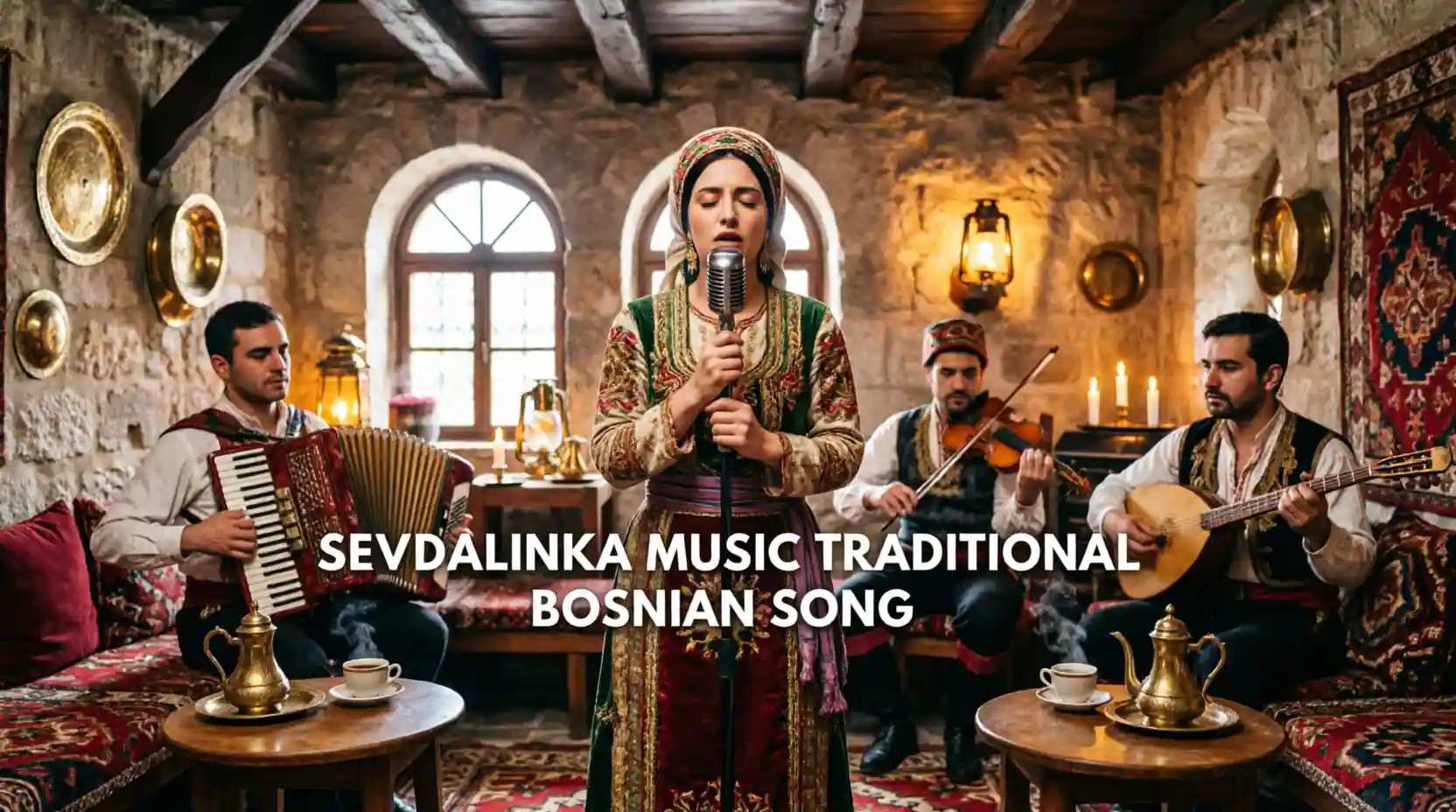
Introduction to Sevdalinka Music Heritage
Sevdalinka represents the soul of Bosnian musical tradition. This haunting genre of folk music has captivated listeners for centuries with its emotional depth and poetic beauty.
The word sevdalinka derives from sevdah meaning love, longing, or yearning in Bosnian. These songs express profound emotions ranging from romantic love to melancholic nostalgia for homeland and lost times.
Sevdalinka emerged during the Ottoman period in Bosnia and Herzegovina. The genre blends Ottoman musical influences with Slavic poetic traditions creating a unique cultural expression.
UNESCO recognizes Sevdalinka as part of humanity's intangible cultural heritage. This designation acknowledges the genre's historical significance and ongoing cultural importance.
This guide explores Sevdalinka's rich history and reveals where travelers can experience authentic live performances in 2026. Understanding this music deepens appreciation for Bosnian culture and heritage.
Historical Origins and Evolution of Sevdalinka

Sevdalinka's roots trace back to the 15th century Ottoman conquest of Bosnia. The genre developed over centuries absorbing diverse cultural influences from across the empire.
Early Sevdalinka songs were transmitted orally through generations. Women particularly preserved and performed these ballads in domestic settings maintaining traditions within families.
The Ottoman musical system called makam influenced Sevdalinka's melodic structures. Microtonal intervals and specific scales create the genre's distinctive sound.
Persian and Arabic poetic forms shaped Sevdalinka lyrics. Themes of unrequited love, separation, and longing reflect Sufi mystical traditions.
The 19th and early 20th centuries marked Sevdalinka's golden age. Urban centers like Sarajevo, Mostar, and Banja Luka became hubs for Sevdalinka composition and performance.
Traditional Instruments in Sevdalinka
The saz or šargija represents Sevdalinka's primary traditional instrument. This long-necked lute produces the characteristic melancholic tones accompanying vocal melodies.
Accordion became popular in 20th century Sevdalinka performances. The instrument's expressive capabilities complement the emotional vocal delivery.
Violin adds lyrical ornamentation to Sevdalinka arrangements. String instruments provide melodic counterpoint to vocal lines.
Traditional percussion like darabuka maintains subtle rhythmic foundations. These drums create gentle pulses supporting without overwhelming the vocals.
Modern Sevdalinka sometimes incorporates piano, guitar, and contemporary instruments. These adaptations maintain traditional essence while reaching new audiences.
Lyrical Themes and Poetic Structure
Love and longing dominate Sevdalinka subject matter. Songs explore romantic yearning often from perspectives of separated lovers.
Nature imagery permeates Sevdalinka poetry. References to roses, nightingales, rivers, and mountains create vivid emotional landscapes.
Urban life in Ottoman Bosnia features prominently. Descriptions of Sarajevo's streets, bridges, and gardens ground songs in specific places.
Female perspectives dominate traditional Sevdalinka. Women's experiences of love, marriage, and separation provide central narratives.
Cultural Significance of Sevdalinka in Bosnia

Sevdalinka functions as cultural memory for Bosnian people. The songs preserve historical experiences and collective emotions across generations.
The genre transcends ethnic and religious divisions in Bosnia. Muslims, Orthodox Christians, and Catholics all claim Sevdalinka as cultural heritage.
Sevdalinka expresses the Bosnian concept of sevdah. This untranslatable word encompasses love, melancholy, passion, and longing simultaneously.
The music survived political upheavals including Ottoman decline, Austro-Hungarian rule, Yugoslav periods, and recent conflicts. This resilience demonstrates cultural importance.
Contemporary Bosnians maintain deep emotional connections to Sevdalinka. The genre remains relevant adapting to modern contexts while honoring tradition.
Sevdalinka and Bosnian Identity
Sevdalinka distinguishes Bosnian culture from neighboring regions. While similar traditions exist in Serbia, Croatia, and Turkey, Bosnian Sevdalinka maintains unique characteristics.
The genre represents Bosnia's multicultural heritage. Ottoman, Slavic, Jewish, and Mediterranean influences blend seamlessly in Sevdalinka.
Diaspora communities preserve Sevdalinka traditions abroad. Bosnian emigrants maintain cultural connections through this music worldwide.
Famous Sevdalinka Performers Through History

Understanding Sevdalinka's greatest interpreters enhances appreciation for the genre. These artists shaped musical traditions and inspired future generations.
Legendary Historical Performers
Himzo Polovina (1927-1986) ranks among Sevdalinka's most beloved voices. His interpretations of classics like "Kad ja pođoh na Bembašu" remain definitive.
Zaim Imamović (1920-1994) modernized Sevdalinka while respecting tradition. His powerful voice and emotional delivery set standards for future performers.
Safet Isović (1936-2007) achieved international recognition for Sevdalinka. His smooth vocal style and sophisticated arrangements expanded the genre's audience.
Beba Selimović (1936-2020) represented female Sevdalinka excellence. Her interpretations combined technical mastery with profound emotional expression.
Contemporary Sevdalinka Artists
Damir Imamović continues his father Zaim's legacy. This modern master balances tradition with innovation attracting younger audiences.
Bojan Vodičar represents new generation Sevdalinka. His fresh approaches maintain genre authenticity while exploring contemporary expressions.
Amira Medunjanin achieves international acclaim for Sevdalinka. Her powerful voice and artistic vision bring Bosnian music to global stages.
Divanhana ensemble modernizes Sevdalinka instrumentally. This group demonstrates the genre's adaptability while honoring traditional roots.
Where to Experience Live Sevdalinka in Sarajevo 2026

Sarajevo serves as Bosnia's cultural heart and Sevdalinka's primary center. The capital offers numerous venues for authentic musical experiences.
Premier Sevdalinka Venues
Hotel Europe's Imperial Hall hosts regular Sevdalinka performances. This elegant venue combines historical atmosphere with professional productions.
Despić House cultural center features intimate Sevdalinka concerts. The historic setting enhances traditional music experiences.
Bosnian Cultural Forum organizes Sevdalinka evenings. These events showcase both established and emerging performers.
Traditional restaurants in Baščaršija occasionally feature Sevdalinka. Venues like Inat Kuća combine dining with musical performances.
Regular Performance Schedules
Weekly Sevdalinka nights occur throughout Sarajevo. Thursday and Friday evenings typically feature live traditional music.
Summer months bring outdoor Sevdalinka concerts. Parks and public squares host free performances during warm weather.
Winter season focuses on intimate indoor venues. Cozy restaurants and cultural centers provide warm atmospheres for Sevdalinka.
Festival periods feature intensive Sevdalinka programming. Major cultural events prioritize traditional music performances.
Booking and Attendance Tips
Reserve tables in advance for popular venues. Sevdalinka performances attract both locals and tourists requiring early booking.
Arrive early to secure optimal seating. Intimate venues fill quickly especially on weekends.
Expect modest cover charges for performances. Fees typically range from 10 to 30 BAM depending on venue and performer.
Dining and drinking minimums may apply. Many venues combine musical performances with restaurant service.
Sevdalinka Performances in Mostar and Herzegovina 2026

Mostar and surrounding Herzegovina region maintain vibrant Sevdalinka traditions. The area's unique cultural character influences musical expressions.
Mostar Performance Venues
Old Town Mostar restaurants feature occasional Sevdalinka. Traditional establishments near Stari Most bridge host musical evenings.
Koski Mehmed Pasha Mosque courtyard hosts summer concerts. Outdoor Sevdalinka performances beneath the stars create magical atmospheres.
Mostar Cultural Center organizes regular traditional music events. This institution supports Sevdalinka preservation and performance.
Herzegovina ethno restaurants combine dining with music. Venues serving traditional cuisine often feature Sevdalinka performers.
Herzegovina Regional Events
Blagaj village hosts intimate Sevdalinka gatherings. The historic dervish monastery setting provides unique performance contexts.
Počitelj town features occasional traditional music. This preserved Ottoman village creates atmospheric Sevdalinka experiences.
Stolac cultural events include Sevdalinka programming. This historic town maintains connections to traditional musical heritage.
Sevdalinka Festivals and Special Events 2026

Festivals provide concentrated Sevdalinka experiences featuring multiple performers. These events celebrate Bosnian musical heritage comprehensively.
Major Annual Festivals
Sarajevo Winter Festival includes Sevdalinka programming. This February-March event features traditional music alongside contemporary arts.
Baščaršija Nights in July-August showcases Sevdalinka. This major summer festival dedicates evenings to traditional Bosnian music.
Mostar Summer Festival incorporates Sevdalinka performances. June-August programming features traditional music in historic settings.
Ilidža Folk Festival celebrates Bosnian traditional music. This event emphasizes Sevdalinka and related folk genres.
Special Sevdalinka Events
Sevdah Fest focuses exclusively on the genre. This specialized festival brings together leading Sevdalinka performers.
Memorial concerts honor legendary Sevdalinka artists. Anniversary events celebrate figures like Himzo Polovina and Safet Isović.
Cultural heritage days feature Sevdalinka demonstrations. Educational events explain the genre's history and significance.
Understanding Sevdalinka Performance Etiquette

Respectful audience behavior enhances Sevdalinka experiences. Understanding cultural norms demonstrates appreciation for this treasured tradition.
Appropriate Audience Behavior
Maintain quiet attention during performances. Sevdalinka's emotional intensity requires focused listening.
Avoid conversation while musicians perform. Talking disrupts both performers and other audience members.
Applaud at song conclusions not during. Allow performers to complete pieces before showing appreciation.
Photography policies vary by venue. Ask permission before recording performances.
Cultural Respect Guidelines
Approach Sevdalinka with genuine curiosity and respect. This music represents deep cultural heritage not mere entertainment.
Learn about songs and their meanings when possible. Understanding lyrics enhances appreciation for performances.
Support authentic traditional performers. Seek out artists dedicated to preserving Sevdalinka traditions.
Sevdalinka Recording Recommendations for Travelers

Recording purchases extend Sevdalinka experiences beyond live performances. These albums provide lasting connections to Bosnian musical heritage.
Essential Sevdalinka Albums
Zaim Imamović's classic recordings remain essential. His interpretations define Sevdalinka excellence.
Himzo Polovina's greatest hits collections capture his artistry. These albums feature beloved traditional songs.
Contemporary artists like Damir Imamović offer modern perspectives. Recent recordings demonstrate Sevdalinka's ongoing evolution.
Compilation albums introduce multiple performers. These collections provide comprehensive Sevdalinka overviews.
Where to Purchase Recordings
Sarajevo music shops in Baščaršija stock Sevdalinka albums. Local retailers offer authentic recordings and knowledgeable recommendations.
Cultural centers sell performer recordings directly. Venues often stock albums by featured artists.
Online platforms provide international access. Digital downloads and streaming services offer convenience for travelers.
Learning Sevdalinka: Workshops and Classes

Visitors interested in deeper engagement can study Sevdalinka directly. Workshops provide hands-on experience with this musical tradition.
Vocal Workshops
Sarajevo Music Academy occasionally offers public workshops. These sessions teach Sevdalinka vocal techniques and styles.
Private instructors provide individualized Sevdalinka training. One-on-one lessons accommodate traveler schedules.
Group classes create community learning experiences. Shared study builds connections with fellow music enthusiasts.
Instrument Instruction
Šargija and saz lessons teach traditional accompaniment. String instrument instruction reveals Sevdalinka's musical foundations.
Accordion workshops address modern Sevdalinka performance. This popular instrument features prominently in contemporary arrangements.
Sevdalinka and Bosnian Tourism Integration

Sevdalinka increasingly features in Bosnia's cultural tourism offerings. This integration supports both preservation and economic development.
Cultural Tourism Initiatives
Guided tours incorporate Sevdalinka performances. Heritage walks conclude with traditional music experiences.
Hotel cultural programs feature Sevdalinka evenings. Accommodations provide guests authentic musical encounters.
Restaurant partnerships support traditional musicians. Dining venues create regular performance opportunities.
Sustainable Cultural Preservation
Tourism revenue supports Sevdalinka performers. Visitor interest provides economic incentives for tradition maintenance.
Educational programs transmit knowledge to younger generations. Tourism interest validates cultural heritage for youth.
Cost Guide for Sevdalinka Experiences 2026

Budgeting for Sevdalinka experiences requires understanding typical costs. Prices vary by venue type and performance format.
Performance Admission Costs
Restaurant performances often require no cover charge. Dining minimums substitute for admission fees typically 20-40 BAM per person.
Dedicated concert venues charge 15-40 BAM admission. Professional productions command higher prices reflecting production costs.
Festival performances range from free to 50 BAM. Multi-day festival passes offer better value for intensive Sevdalinka experiences.
Private workshops cost 30-80 BAM per session. Individual instruction commands premium pricing.
Additional Expenses
Food and beverage purchases expected at most venues. Budget 15-30 BAM for refreshments during performances.
Recording purchases range from 15-40 BAM per album. Physical CDs cost more than digital downloads.
Transportation to venues adds to overall costs. Sarajevo taxis charge 5-15 BAM for typical journeys.
Best Times to Experience Sevdalinka in 2026

Seasonal considerations affect Sevdalinka availability and atmosphere. Planning around these factors optimizes experiences.
Seasonal Programming
Summer offers outdoor Sevdalinka concerts. Warm weather enables park and courtyard performances creating romantic atmospheres.
Winter focuses on intimate indoor venues. Cozy restaurants and cultural centers provide warm settings for traditional music.
Spring and autumn feature balanced programming. Moderate weather supports both indoor and outdoor performances.
Festival Timing
July-August Baščaršija Nights provides intensive Sevdalinka. Summer festival season offers maximum performance opportunities.
February-March Sarajevo Winter Festival features traditional music. Winter cultural programming includes Sevdalinka concerts.
Year-round regular performances maintain consistency. Weekly Sevdalinka nights occur regardless of season.
Conclusion and Final Recommendations

Sevdalinka represents Bosnia's musical soul expressing centuries of cultural heritage. This unique genre offers travelers profound insights into Bosnian identity and emotion.
Sarajevo provides the richest Sevdalinka experiences with numerous venues and regular performances. The capital's cultural infrastructure supports authentic traditional music.
Mostar and Herzegovina offer complementary Sevdalinka experiences. Regional variations add depth to understanding this musical tradition.
Festival attendance maximizes Sevdalinka exposure. Concentrated programming introduces multiple performers and styles efficiently.
Approach Sevdalinka with respect and genuine curiosity. This music deserves thoughtful engagement not casual consumption.
Support authentic performers and traditional venues. Your participation helps preserve this invaluable cultural heritage for future generations.
Sevdalinka experiences create lasting memories of Bosnia. The emotional power of these songs connects visitors to Bosnian culture in meaningful ways.
Plan your 2026 Bosnia visit around Sevdalinka performances. This musical tradition enriches travel experiences revealing the heart of Bosnian culture.
0 Comments