.webp)
.webp)
Quick Summary and Core Adventure Guide
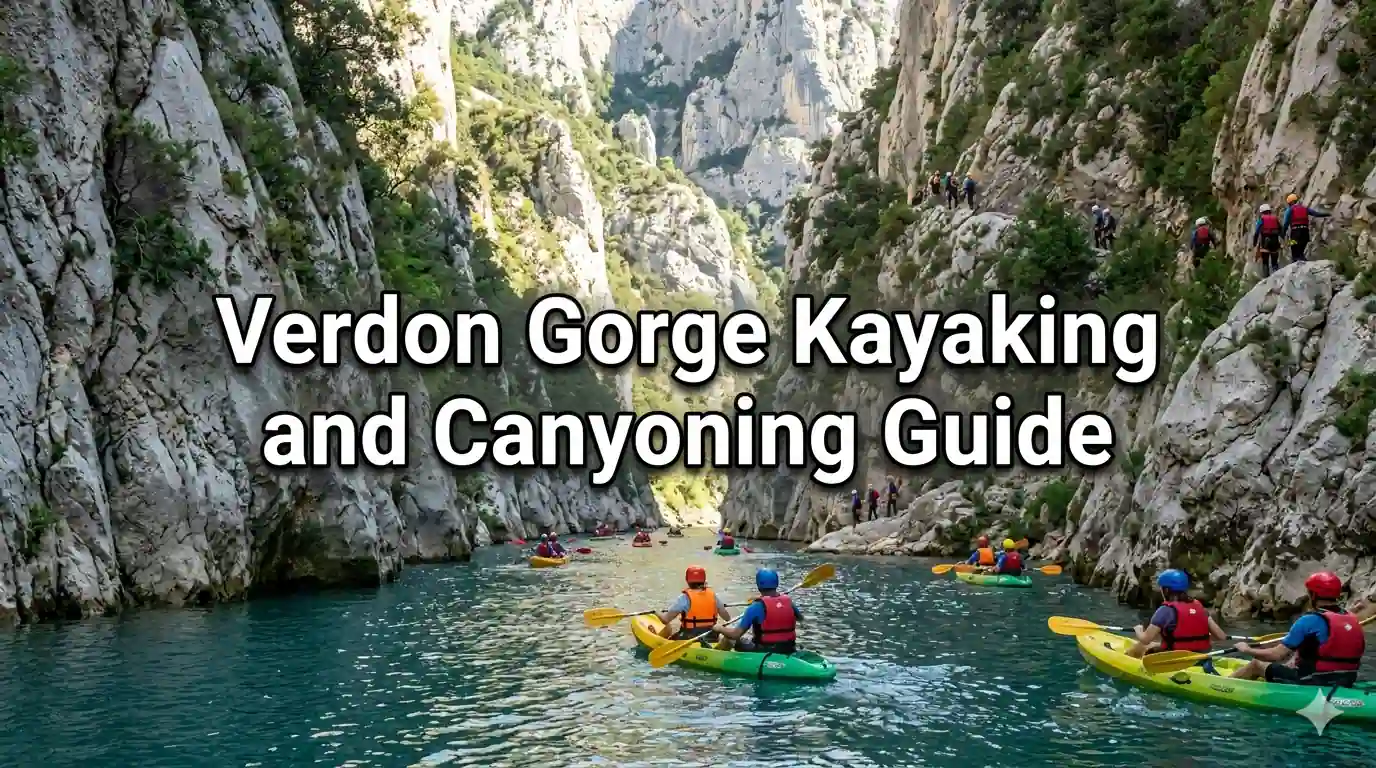
The Verdon Gorge, often called Europe's Grand Canyon, offers adventurers one of the world's most spectacular outdoor experiences through its dramatic limestone cliffs, turquoise river waters, and diverse activity options ranging from gentle kayaking to challenging canyoning. This 25-kilometer-long canyon in southeastern France's Provence-Alpes-Côte d'Azur region features walls rising up to 700 meters above the emerald Verdon River, creating a natural amphitheater that attracts outdoor enthusiasts from around the globe. Whether you seek the peaceful rhythm of paddling through crystal-clear waters, the adrenaline rush of rappelling down waterfalls, or the perfect balance of adventure and accessibility, the Verdon Gorge delivers unforgettable experiences for all skill levels. This comprehensive guide enables first-time visitors and experienced adventurers to plan strategic trips that balance thrill-seeking with safety, understanding activity requirements, equipment needs, guide services, and logistical considerations for exploring one of Europe's premier adventure destinations.
The primary user intent centers on identifying suitable activities for different fitness levels and experience, understanding equipment and guide requirements, planning logistics from major cities like Nice and Marseille, budgeting for adventures and accommodation, timing visits for optimal water levels and weather, and maximizing safety while enjoying the gorge's natural beauty. You need verified 2026 pricing in USD, exact activity durations and difficulty ratings, transportation options with costs and travel times, accommodation recommendations near activity launch points, and practical tips for navigating reservation systems, weather dependencies, and physical preparation. This guide delivers detailed, actionable information based on current operator data and verified adventurer experiences.
Average adventurers report that the Verdon Gorge exceeds expectations for scenic beauty, activity variety, and professional guide services compared to other European adventure destinations. You can enjoy guided kayaking trips for USD 45 to 85 per person, canyoning adventures for USD 75 to 150, and equipment rentals for USD 20 to 40 daily. Most travelers allocate USD 150 to 350 daily for activities, meals, and accommodation. The combination of world-class scenery, professional guiding infrastructure, and accessibility from major French cities makes the Verdon Gorge ideal for inaugural European adventure trips and experienced outdoor enthusiasts seeking iconic canyon experiences.
Essential Verdon Gorge Adventure Data for 2026
| Verdon Gorge Length and Depth | 25 kilometers long, walls up to 700 meters high |
| Kayaking Route Distance | 6 to 12 kilometers depending on chosen route |
| Guided Kayaking Cost | USD 45 to 85 per person for half-day experience |
| Canyoning Adventure Cost | USD 75 to 150 per person for half to full day |
| Best Adventure Season | May to September for optimal water levels and weather |
| Distance from Nice to Verdon | 130 kilometers, 2 hours by car |
| Equipment Rental Daily | USD 20 to 40 for kayak, wetsuit, and safety gear |
Why the Verdon Gorge Ranks as Europes Premier Adventure Destination

The Verdon Gorge earns its distinction through an unparalleled combination of geological grandeur, activity diversity, and accessibility that few canyon destinations in the world can match. Carved over millions of years by the Verdon River through limestone and dolomite rock, this natural wonder features walls that rise dramatically from turquoise waters, creating a visual spectacle that rivals any canyon globally. The gorge's compact size enables comprehensive exploration within manageable timeframes, while its varied terrain supports activities ranging from gentle family kayaking to expert-level canyoning, ensuring appeal across skill levels and adventure preferences.
Activity infrastructure distinguishes the Verdon from wilder, less-developed canyon destinations. Professional guide services operate throughout the season, offering certified instruction, safety equipment, and local knowledge that enable confident participation regardless of prior experience. Equipment rental shops provide quality gear without requiring travelers to transport bulky items internationally. Well-marked access points, established launch sites, and emergency protocols create a structured environment where adventure feels exciting but not recklessly dangerous. This balance of wild beauty and professional support proves uniquely valuable for international travelers seeking authentic adventure without extreme logistical complexity.
Scenic diversity enhances every activity within the gorge. Kayakers paddle through emerald waters framed by soaring limestone cliffs, spotting eagles circling overhead and wildflowers clinging to rock faces. Canyoning participants rappel beside waterfalls, jump into crystal pools, and navigate narrow slots that reveal geological secrets. Hikers on rim trails gain panoramic perspectives that contextualize the canyon's scale. This multi-dimensional experience enables travelers to appreciate the Verdon from multiple angles, creating richer memories than single-activity destinations.
Accessibility proves surprisingly good for such a dramatic natural area. The Verdon Gorge sits within 2 to 3 hours driving from Nice, Marseille, and Aix-en-Provence, major transportation hubs with international airport connections. Unlike remote wilderness areas requiring extensive expedition planning, you can reach world-class kayaking and canyoning within a day of arriving in France, enabling efficient itineraries and easy access to supplies, medical services, and cultural experiences in Provence.
Seasonal reliability supports confident trip planning. The Verdon's Mediterranean climate delivers predictable weather patterns, with warm, dry summers ideal for water activities and reliable snowmelt maintaining adequate river levels through the adventure season. While weather always requires monitoring, the region's general stability reduces the risk of trip-disrupting conditions compared to more volatile mountain environments. This reliability enables travelers to book activities and accommodations with reasonable confidence.
How to Reach the Verdon Gorge from Major Cities

The Verdon Gorge's location in southeastern France's Provence region provides good connectivity from European and French hubs, though strategic planning optimizes convenience and cost for adventure-focused itineraries. Understanding arrival logistics enables smooth trip initiation and efficient time allocation for your canyon adventures.
Car Rental and Flexible Exploration
Car rental proves essential for exploring the Verdon Gorge, as public transportation cannot efficiently access activity launch points, canyon entry sites, or scenic viewpoints. Major rental companies operate at Nice Côte d'Azur Airport, Marseille Provence Airport, and Aix-en-Provence, with weekly rates ranging from USD 300 to 550 for compact vehicles. Manual transmission cars cost 20 to 30 percent less than automatics, though automatics prove worthwhile for unfamiliar drivers navigating mountain roads.
Driving from Nice to the Verdon Gorge takes approximately 2 hours via A8 autoroute and D952/D902 scenic routes, with fuel costs around USD 25 to 35 each way. The route offers stunning Provençal landscapes, though mountain sections require attentive driving. From Marseille, the journey takes 2 hours 15 minutes via A51 and D952. Parking at most activity launch points remains free or costs USD 3 to 8 daily.
Car rental proves particularly valuable for adventurers wanting to explore multiple activity sites, combine kayaking with canyoning or hiking, and access remote canyon entry points. However, for travelers focused solely on guided tours with pickup service, train plus taxi options may prove simpler and more economical.
Train and Bus Connections
Regional train services connect Nice, Marseille, and Aix-en-Provence to towns near the Verdon Gorge, though final access to activity sites requires additional transport. TER trains reach Castellane, the gorge's main gateway town, from Nice in approximately 3 hours with transfers, costing USD 25 to 40 one-way. From Castellane, local buses or taxis connect to specific launch points for USD 15 to 30.
This approach proves more economical than car rental for solo travelers or couples focusing on guided tours that include pickup service. However, independent kayaking or canyoning requires reaching specific launch sites not served by public transport, making car rental or private transfers necessary for self-guided adventures.
Air Travel and Airport Transfers
Nice Côte d'Azur Airport serves as the most convenient international gateway, located approximately 130 kilometers from the Verdon Gorge. Direct flights connect Nice to major cities including Paris, London, Frankfurt, Amsterdam, and seasonal routes from North American hubs via connections. Round-trip airfare ranges from USD 500 to 1,300 for economy class depending on departure city and booking timing.
Ground transportation from Nice Airport to the Verdon takes 2 to 2.5 hours via rental car, taxi (USD 180 to 250 one-way), or pre-booked shuttle services (USD 60 to 90 per person). Marseille Provence Airport offers an alternative gateway, approximately 150 kilometers from the gorge, with similar ground transport options. Evaluating total travel time and cost, rather than airfare alone, enables informed gateway decisions.
Visa Rules and Entry Requirements for France

France maintains Schengen Area visa policies applicable to Verdon Gorge visitors. Citizens from the United States, Canada, United Kingdom, Australia, and most European nations enjoy visa-free tourism access for up to 90 days within any 180-day period. You must present a passport valid for at least three months beyond your planned departure date from the Schengen Area. Border officials may request proof of onward travel, sufficient funds (approximately USD 70 per day), and accommodation reservations.
Starting in 2025, visa-exempt travelers must obtain ETIAS (European Travel Information and Authorization System) approval before departure. This online authorization costs USD 8, remains valid for three years, and requires basic biographical information and travel details. Processing typically completes within minutes, though some applications require up to 96 hours. You should apply at least one week before travel to accommodate potential delays.
Travel insurance proves highly recommended for adventure activities. Medical emergencies during kayaking or canyoning can generate substantial costs for uninsured travelers, and evacuation from canyon locations requires specialized services. Comprehensive policies covering medical treatment, evacuation, trip interruption, and adventure sports typically cost USD 60 to 140 for week-long trips depending on coverage limits and age. You should verify coverage explicitly includes kayaking, canyoning, and rappelling activities.
Non-Schengen citizens requiring visas must apply at French consulates or visa centers in their home countries. Tourist visa applications require proof of accommodation, financial means, travel insurance, and round-trip flight reservations. Processing times range from 15 to 30 days, requiring advance planning. Visa fees total approximately USD 85 for short-stay tourist visas.
Best Time to Visit the Verdon Gorge for Adventures

Seasonal timing significantly impacts your Verdon Gorge experience, affecting water levels, weather conditions, activity availability, crowd levels, and overall adventure quality. Understanding these variations enables strategic planning that aligns with your priorities, whether seeking optimal water flow, comfortable temperatures, or peaceful exploration.
Peak Adventure Season (June to August)
Summer delivers the most reliable adventure conditions with temperatures averaging 24 to 32 degrees Celsius (75-90°F), minimal rainfall, and long daylight hours until 9 PM. Water levels remain adequate for kayaking and canyoning, with snowmelt from Alpine sources maintaining flow through the dry season. All guide services, equipment rentals, and activity operators function at full capacity.
However, these months bring maximum tourist traffic, with popular launch sites experiencing crowds and advance booking required for guided tours. Accommodation prices peak at 40 to 60 percent above shoulder season rates, with availability tightening significantly in July and August. Afternoon heat can exceed 30 degrees Celsius, requiring early morning activity starts and adequate hydration planning.
Strategic timing mitigates summer challenges. Booking guided tours 2 to 4 weeks ahead secures preferred dates and times. Arriving at launch sites before 9 AM avoids peak crowds and heat. Midweek adventures prove less crowded than weekends. Despite crowds, summer rewards adventurers with guaranteed activity availability, vibrant atmosphere, and reliable conditions.
Shoulder Season (May and September)
Shoulder seasons represent optimal visiting periods for most adventurers, combining pleasant weather, manageable crowds, and reasonable pricing. Temperatures range from 18 to 26 degrees Celsius (64-79°F), creating comfortable conditions for physical activities without summer's intensity. Water levels prove excellent in May from spring snowmelt, while September offers warm water from summer heating.
Crowd levels diminish 30 to 50 percent compared to peak summer, enabling easier booking, more personalized guide attention, and peaceful canyon experiences. Accommodation prices drop 25 to 40 percent, and equipment rentals often have same-day availability. Activity operators maintain full services while providing more relaxed pacing.
Shoulder season weather proves generally reliable, though occasional rain requires flexible planning. May may bring variable conditions with occasional showers, while September typically offers stable weather with crisp air. Both seasons provide excellent lighting for photography, with lower sun angles creating dramatic shadows on canyon walls.
Early and Late Season Considerations
April and October present viable but more limited adventure opportunities. Water levels may fluctuate based on snowmelt timing and rainfall, requiring verification with operators before booking. Temperatures range from 12 to 20 degrees Celsius (54-68°F), requiring wetsuits and layered clothing for comfort. Some guide services and rental shops operate reduced schedules or close entirely in late October.
These months suit experienced adventurers comfortable with variable conditions, photographers seeking dramatic lighting and fewer crowds, and budget travelers prioritizing value over guaranteed services. Beginners or those seeking comprehensive activity options should plan visits between May and September when infrastructure operates at full capacity.
Kayaking the Verdon River: Routes and Requirements

Kayaking represents the most accessible way to experience the Verdon Gorge's beauty, enabling travelers of various fitness levels to paddle through emerald waters while surrounded by soaring limestone cliffs. Understanding route options, difficulty levels, and equipment requirements enables confident planning for this iconic activity.
Beginner-Friendly Routes
The Lac de Sainte-Croix to Pont du Galetas route offers the most accessible kayaking experience, featuring calm reservoir waters transitioning into gentle gorge entry. This 6-kilometer route requires 2 to 3 hours at leisurely pace, with minimal current and no technical rapids. Perfect for families, first-time kayakers, and travelers prioritizing scenery over challenge.
Equipment requirements include kayak, paddle, life vest, and optional wetsuit depending on water temperature. Rental costs range from USD 20 to 35 daily for basic gear. Guided tours cost USD 45 to 65 per person and include equipment, safety briefing, and local knowledge of wildlife and geology. No prior kayaking experience required, though basic swimming ability recommended.
Practical considerations include launching early to avoid afternoon winds on the lake, carrying sufficient water and sun protection, and verifying weather conditions before departure. The route's popularity means launch sites can fill by mid-morning in peak season; advance reservation recommended for guided tours.
Intermediate Gorge Paddling
The Pont du Galetas to La Mescla route delivers the classic Verdon Gorge kayaking experience, paddling through the canyon's most dramatic section with walls rising 300 to 500 meters on both sides. This 10 to 12-kilometer route requires 4 to 6 hours, featuring gentle currents, occasional small rapids, and constant scenic rewards.
Equipment requirements include kayak, paddle, life vest, wetsuit (recommended May-September), and dry bag for personal items. Rental costs range from USD 30 to 45 daily for complete gear. Guided tours cost USD 65 to 85 per person and include transportation between launch and exit points, equipment, and expert commentary. Basic kayaking skills recommended; guides provide instruction for beginners.
Practical considerations include arranging shuttle transportation between start and end points (included in guided tours), carrying adequate water and snacks for the longer duration, and wearing appropriate footwear for rocky riverbanks. Water levels vary seasonally; operators adjust routes based on conditions for safety.
Advanced and Multi-Day Options
Experienced kayakers can explore extended routes combining multiple gorge sections or multi-day expeditions camping along the river. These adventures require advanced paddling skills, self-sufficiency, and detailed planning. Permit requirements apply for wild camping; guided multi-day tours handle logistics for USD 200 to 400 per person daily.
Advanced routes feature stronger currents, technical rapids, and remote sections requiring self-rescue capability. Equipment includes expedition-grade kayaks, safety gear, camping equipment, and navigation tools. These adventures suit experienced paddlers seeking wilderness immersion rather than casual sightseeing.
Canyoning the Verdon Gorge: Adventures and Safety

Canyoning delivers the Verdon Gorge's most adrenaline-fueled experiences, combining rappelling, jumping, sliding, and swimming through spectacular canyon environments. Understanding activity levels, guide requirements, and safety protocols enables confident participation in this thrilling adventure.
Beginner Canyoning Experiences
Introduction canyoning routes feature gentle descents, small jumps (1 to 3 meters), short rappels, and abundant swimming in accessible canyon sections. These 3 to 4-hour experiences require no prior canyoning experience, though reasonable fitness and comfort in water prove essential. Guided tours cost USD 75 to 95 per person and include all equipment, instruction, and safety supervision.
Equipment provided includes wetsuit, helmet, harness, rappelling gear, and canyon-specific footwear. Participants should bring swimwear, towel, and change of clothes. Guides provide comprehensive safety briefings, technique instruction, and continuous supervision throughout the descent.
Practical considerations include verifying operator certifications (look for French State Diplomas or equivalent), checking weather forecasts (canyoning cancels in heavy rain due to flash flood risk), and communicating any medical conditions or concerns to guides before departure. Beginner routes accommodate most fitness levels with guide assistance.
Intermediate and Advanced Canyoning
Intermediate routes feature longer rappels (10 to 30 meters), higher jumps (3 to 6 meters), and more technical navigation through narrow slots and waterfalls. These 5 to 7-hour adventures require good fitness, swimming confidence, and comfort with heights. Guided tours cost USD 100 to 130 per person.
Advanced canyoning includes extended rappels (30+ meters), challenging jumps, and remote canyon sections requiring self-sufficiency between guide interventions. These full-day adventures suit experienced participants seeking maximum challenge. Costs range from USD 130 to 150 per person with small group sizes for safety.
Practical considerations include honest self-assessment of fitness and comfort levels, as canyoning cannot be aborted mid-descent in many sections. Operators evaluate participant capability before advanced routes; respect guide decisions regarding route assignments. Weather dependencies prove critical; flash flood risks require flexible scheduling.
Safety Protocols and Guide Selection
Professional guiding proves essential for canyoning in the Verdon Gorge due to technical terrain, water hazards, and remote locations. Reputable operators employ guides certified by French state authorities (BPJEPS, DEJEPS) with specific canyoning qualifications, emergency response training, and local canyon knowledge.
Safety equipment includes helmets, harnesses, wetsuits, canyoning shoes, and rappelling gear maintained to European safety standards. Guides conduct pre-activity briefings covering techniques, signals, and emergency procedures. Group sizes remain small (typically 6 to 8 participants per guide) to ensure adequate supervision.
Weather monitoring proves critical for canyoning safety. Operators cancel or modify activities based on rainfall forecasts due to flash flood risks in narrow canyons. Participants should maintain flexible schedules and understand that safety takes precedence over itinerary adherence. Reputable operators provide clear cancellation policies and alternative activity options when weather disrupts plans.
Complete Cost Breakdown and Budget Planning

Verdon Gorge adventures accommodate various budget levels through strategic choices in activities, equipment, dining, and accommodation. Understanding all cost components enables realistic planning and prevents unexpected expenses during your canyon adventure.
Budget adventurers spending USD 100 to 180 daily utilize self-guided kayaking with basic equipment rental, picnic meals, and budget accommodation. Kayak rental costs USD 20 to 35 daily, picnic supplies USD 15 to 25, and budget guesthouses or campsites USD 50 to 80 nightly. This approach requires planning but delivers authentic experiences without premium pricing.
Mid-range budgets of USD 180 to 350 per person per day enable guided kayaking or canyoning tours, restaurant dining, quality accommodation, and flexible transportation. Guided activities cost USD 45 to 130 depending on type and duration, restaurant meals USD 25 to 50, and comfortable hotels or charming guesthouses USD 90 to 160 nightly. This tier represents the sweet spot for most adventurers seeking quality experiences without extravagance.
Premium experiences costing USD 400 to 700 per person per day include private guided adventures, luxury accommodation with canyon views, gourmet dining, and exclusive access experiences. Private guiding costs USD 200 to 400 daily, luxury hotels USD 200 to 400 nightly, and fine dining USD 60 to 120 per person. This tier suits special occasions or travelers prioritizing exceptional service and unique access.
| Expense Category | Budget Option | Mid Range | Premium |
| Kayaking Experience | USD 20 to 35 rental | USD 45 to 85 guided | USD 150 to 300 private |
| Canyoning Adventure | N/A | USD 75 to 130 guided | USD 200 to 400 private |
| Accommodation Per Night | USD 50 to 80 | USD 90 to 160 | USD 200 to 400 |
| Daily Food and Drinks | USD 20 to 35 | USD 35 to 60 | USD 80 to 150 |
| Equipment and Gear | USD 20 to 40 rental | Included in tours | Premium gear upgrades |
| Travel Insurance | USD 60 to 90 | USD 90 to 140 | USD 140 to 220 |
Practical Tips for Verdon Gorge Adventures
Successful Verdon Gorge exploration requires attention to practical details that enhance comfort, safety, and enjoyment. Understanding these factors and following recommended precautions ensures your adventure remains memorable for positive reasons.
Physical Preparation and Fitness Considerations
Kayaking and canyoning demand reasonable fitness levels, though activities accommodate various abilities with proper preparation. Kayaking requires upper body strength for paddling and core stability for balance; beginners benefit from pre-trip conditioning including swimming, rowing, or light strength training. Canyoning demands leg strength for hiking to entry points, swimming confidence for water sections, and comfort with heights for rappelling.
Guided tours accommodate varying fitness levels by adjusting pacing and providing assistance on challenging sections. However, honest self-assessment proves essential; overestimating capability can compromise safety and enjoyment. Operators evaluate participants before advanced activities; respect guide recommendations regarding route assignments.
Hydration and nutrition prove critical for sustained energy during physical activities. Carry sufficient water (minimum 2 liters per person for half-day activities), energy snacks, and electrolyte supplements for hot weather. Many guided tours provide water and snacks, but personal preferences and dietary needs require individual planning.
Weather Awareness and Seasonal Preparation
Mediterranean mountain weather proves variable, requiring preparation for changing conditions even on forecast-sunny days. Layered clothing enables adaptation to temperature shifts between shaded canyon sections and sun-exposed river stretches. Sun protection (hat, sunglasses, waterproof sunscreen) remains important year-round due to reflective water and intense Provençal sun.
Water temperature varies seasonally from 14 to 22 degrees Celsius (57-72°F), requiring wetsuits for comfort during extended water exposure. Most rental packages include appropriate wetsuits, but personal preferences regarding thickness and fit may warrant bringing your own. Quick-dry clothing proves valuable for transitions between water and land activities.
Flash flood risks in narrow canyons require weather vigilance, particularly during canyoning. Operators monitor forecasts and cancel activities when heavy rain threatens; participants should maintain flexible schedules and understand that safety takes precedence over itinerary adherence. Check weather updates morning of activities and communicate concerns to guides.
Equipment and Gear Strategies
Quality equipment enhances safety and enjoyment for Verdon adventures. Rental gear from reputable operators meets European safety standards and includes activity-specific items like canyon shoes with grip, helmets with chin straps, and wetsuits appropriate for water temperature. Verify equipment condition before departure and report any concerns to staff.
Personal items require waterproof protection. Dry bags or waterproof cases safeguard phones, cameras, and valuables during water activities. Many operators provide basic dry storage, but personal preferences for organization or additional protection may warrant bringing your own solutions. Test waterproofing before relying on it for valuable items.
Footwear proves critical for canyon activities. Closed-toe shoes with aggressive grip and drainage prove essential for rocky, wet terrain; flip-flops or smooth-soled shoes prove dangerous. Most rentals include appropriate canyon shoes, but personal fit preferences may warrant bringing your own if they meet safety requirements.
Suggested Itineraries for Verdon Gorge Exploration
Strategic itinerary planning maximizes your Verdon Gorge experience while preventing fatigue from excessive activity or logistical complexity. This flexible framework accommodates different time allocations, fitness levels, and adventure preferences while ensuring comprehensive exposure to the canyon's highlights.
Two-Day Adventure Introduction
Day one focuses on beginner kayaking to build confidence and appreciate the gorge's beauty from water level. Morning guided tour on the Lac de Sainte-Croix to Pont du Galetas route (2-3 hours) provides gentle introduction with stunning scenery. Afternoon relaxation at accommodation or light hiking on rim trails. Evening dining in Castellane or Moustiers-Sainte-Marie featuring Provençal specialties.
Day two features introductory canyoning for adrenaline and canyon immersion. Morning guided descent on a beginner-friendly route (3-4 hours) combines rappelling, jumping, and swimming with expert instruction. Afternoon recovery time or optional second short activity. Evening farewell dinner celebrating adventure highlights.
This itinerary costs approximately USD 300 to 550 per person including accommodation, guided activities, meals, and local transport, proving ideal for first-time visitors wanting balanced adventure exposure without overwhelming intensity.
Four-Day Comprehensive Adventure
Extended stays enable deeper exploration and varied activity experiences. Days one and two follow the introduction itinerary above. Day three features intermediate kayaking through the gorge's most dramatic section (Pont du Galetas to La Mescla, 4-6 hours) with packed lunch and extended scenic immersion. Day four offers intermediate canyoning or optional activities like rock climbing, via ferrata, or rim hiking for diverse perspectives.
Flexible scheduling accommodates weather variations and personal preferences. Build buffer time between activities for recovery, spontaneous discoveries, or extended enjoyment of favorite locations. Reserve afternoons for downtime, especially with multi-day physical activities that require recovery. This approach maximizes enjoyment while maintaining energy throughout your canyon journey.
Accommodation strategy enhances the experience: base in Castellane for central access to multiple activity launch points, or split stays between gorge-adjacent villages for varied atmospheres. Many guesthouses cater to adventurers with equipment storage, early breakfast options, and local activity knowledge.
0 Comments