.webp)
.webp)
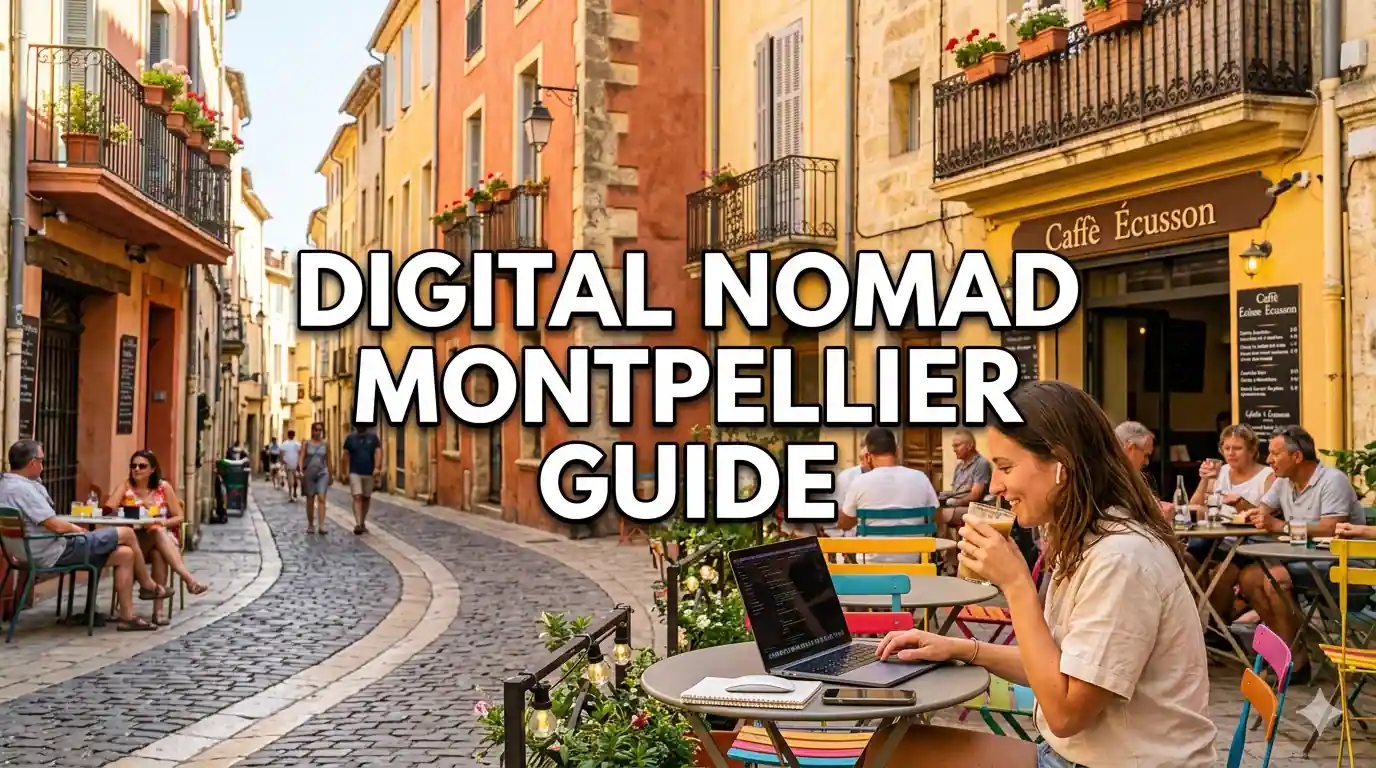
Quick Summary and Core Digital Nomad Guide
Montpellier, a vibrant university city in southern France's Occitanie region, has emerged as one of Europe's most appealing destinations for digital nomads seeking Mediterranean lifestyle, affordable living costs, and robust remote work infrastructure. With over 80,000 students, a thriving tech scene, excellent high-speed internet, and a climate featuring over 300 days of sunshine annually, Montpellier offers an ideal balance of professional productivity and quality of life for location-independent professionals. This comprehensive guide enables remote workers to plan strategic relocations that balance budget considerations, workspace options, visa requirements, and cultural integration in this charming French city.
The primary user intent centers on understanding realistic monthly budgets, identifying suitable neighborhoods for remote work, comparing coworking spaces by amenities and pricing, navigating French visa requirements for non-EU citizens, and assessing lifestyle factors like social opportunities, outdoor activities, and cultural experiences. You need verified pricing in USD, exact internet speed data, neighborhood safety assessments, and practical tips for settling in without French language fluency. This guide delivers detailed, actionable information based on current 2026 cost data and verified digital nomad experiences.
Average digital nomads report that Montpellier exceeds expectations for affordability, connectivity, and lifestyle quality compared to Paris or other major European hubs. You can maintain a comfortable remote work lifestyle for USD 1,800 to 2,800 monthly including accommodation, coworking, food, and local transport, while enjoying Mediterranean beaches, historic architecture, and a welcoming international community. Most remote workers allocate USD 600 to 1,200 for accommodation, USD 100 to 250 for coworking, and USD 400 to 700 for food and daily expenses. The combination of reasonable costs, excellent infrastructure, and enriching cultural experiences makes Montpellier ideal for inaugural European digital nomad experiences.
Essential Montpellier Digital Nomad Data
| Average Monthly Budget Range | USD 1,800 to 2,800 for comfortable lifestyle |
| One-Bedroom Apartment Rent | USD 600 to 1,000 monthly depending on neighborhood |
| Coworking Space Monthly Pass | USD 100 to 250 depending on amenities and location |
| Average Internet Speed | 100 to 500 Mbps fiber optic widely available |
| Public Transport Monthly Pass | USD 30 to 45 for unlimited tram and bus access |
| Best Neighborhoods for Nomads | Écusson, Antigone, Port Marianne, Boutonnet |
| Visa Option for Non-EU Nomads | France Long-Stay Visitor Visa or Talent Passport |
Why Montpellier Ranks as a Top European Digital Nomad Destination

Montpellier's appeal for remote workers stems from a unique combination of affordability, infrastructure, climate, and cultural richness that few European cities can match. As France's sixth-largest city and the fastest-growing metropolitan area in the country, Montpellier has invested heavily in digital infrastructure, urban development, and quality-of-life initiatives that directly benefit location-independent professionals. The city's compact size, efficient public transportation, and pedestrian-friendly historic center enable easy navigation without car ownership, reducing living costs and environmental impact.
Cost efficiency distinguishes Montpellier from Paris, Lyon, or other major French cities while maintaining high quality of life standards. Accommodation costs run 40 to 60 percent below Paris equivalents, restaurant prices offer better value-to-quality ratios, and coworking spaces provide premium amenities at accessible price points. You can enjoy Mediterranean lifestyle benefits including beaches, outdoor cafés, and year-round sunshine without the premium pricing of coastal destinations like Nice or Cannes. This affordability enables longer stays and deeper cultural immersion for budget-conscious nomads.
Connectivity infrastructure supports seamless remote work across the city. Fiber optic internet reaches most neighborhoods with speeds ranging from 100 to 500 Mbps, while 5G mobile coverage provides reliable backup connectivity. Coworking spaces feature enterprise-grade connections, backup power systems, and professional meeting facilities that accommodate video conferences with international clients across time zones. The city's tech ecosystem, anchored by universities and innovation hubs, ensures ongoing infrastructure investment and digital service quality.
Cultural integration opportunities enhance the nomad experience significantly. Montpellier's large student population creates a youthful, open-minded atmosphere where international residents easily connect with locals and fellow expats. Language exchange meetups, international food festivals, and multicultural neighborhoods facilitate social integration without requiring fluent French. You can participate in local life while maintaining your remote work schedule, creating meaningful connections that extend beyond typical tourist experiences.
Geographic positioning enables easy exploration of southern France and neighboring countries. High-speed TGV trains connect Montpellier to Paris in 3.5 hours, Barcelona in 3 hours, and Marseille in 1.5 hours. The Mediterranean coast lies 15 minutes by tram, while the Cévennes mountains offer hiking and nature escapes within one hour. This accessibility enables weekend adventures without sacrificing your home base stability, appealing to nomads who value both routine and exploration.
How to Reach Montpellier as a Digital Nomad

Montpellier's location in southern France provides excellent connectivity from European and international hubs, though the city lacks its own international airport. Understanding transportation options enables efficient relocation planning and helps you choose between speed, cost, and flexibility based on your priorities and travel style.
Flight Options and Airport Transfers
Montpellier-Méditerranée Airport handles direct flights from major European cities including Paris, London, Amsterdam, Brussels, and seasonal routes from other hubs. Round-trip airfare ranges from USD 150 to 400 for European departures depending on booking timing and season. Travelers from the United States typically connect through Paris, Amsterdam, or London, with total journey times of 12 to 18 hours including layovers. Round-trip airfare from North America ranges from USD 700 to 1,500 for economy class.
Ground transportation from Montpellier Airport to the city center takes 20 to 30 minutes via tram line 1 (USD 2 one-way), taxi (USD 30 to 40 fixed rate), or pre-booked shuttle. The tram operates from 5 AM to midnight and accommodates luggage and bicycles, making it ideal for nomads arriving with work equipment. Taxis provide door-to-door convenience for travelers with multiple bags or arriving late at night.
Alternative airports include Marseille Provence (170 kilometers, 2 hours by train) and Toulouse-Blagnac (240 kilometers, 2.5 hours by train), both offering broader international connections. While these airports may provide lower airfares or more direct routes from certain origins, ground transportation to Montpellier adds time and cost. Evaluate total travel time and expense when selecting arrival airports for your relocation.
Train Travel from Paris and European Cities
High-speed TGV trains connect Paris Gare de Lyon to Montpellier Saint-Roch station in 3 hours 30 minutes, with 8 to 12 daily departures. Fares range from USD 45 to 110 depending on booking timing and flexibility. You can secure best prices by reserving 2 to 4 weeks in advance through official SNCF platforms. First-class upgrades cost an additional USD 25 to 50 and include complimentary beverages, wider seating, and priority boarding.
Direct TGV connections also link Montpellier to Barcelona (3 hours), Lyon (2 hours 45 minutes), Marseille (1 hour 30 minutes), and other European cities. European rail pass holders can utilize Montpellier as a southern France hub for multi-country itineraries combining work and travel. Train stations sit within walking distance or short tram rides of major digital nomad neighborhoods and coworking spaces.
Relocation Logistics and Initial Setup
Digital nomads relocating to Montpellier should plan for initial setup costs including accommodation deposits, SIM card activation, bank account setup, and coworking membership fees. Short-term rentals via platforms like Airbnb or Selina provide flexible entry points while you explore neighborhoods before committing to longer leases. Budget USD 1,500 to 2,500 for initial relocation expenses excluding international flights.
Mobile connectivity setup proves essential for remote work reliability. French carriers Orange, SFR, Bouygues, and Free offer prepaid and postpaid plans with extensive 5G coverage. Monthly data plans range from USD 20 to 50 for 100 to 200 GB, with unlimited options available at higher price points. You can purchase SIM cards at airport kiosks, carrier stores, or supermarkets upon arrival.
Banking and payment setup facilitates daily life and bill payments. While many services accept international credit cards, having a French bank account simplifies rent payments, utility setup, and local transactions. Digital banking options like Revolut, N26, or Boursobank offer streamlined account opening for non-residents, though traditional banks may require proof of address and longer processing times.
Visa Requirements and Legal Considerations for Remote Workers

France maintains specific visa policies that apply to digital nomads wishing to reside in Montpellier for extended periods. Understanding these requirements enables compliant, stress-free relocation planning and prevents legal complications that could disrupt your remote work arrangements.
Citizens from European Union member states enjoy freedom of movement and residence rights within France, requiring no visa for stays of any duration. You should register with local authorities if staying longer than three months, but the process proves straightforward for EU nationals. Non-EU citizens must secure appropriate visas before arrival based on intended stay duration and work arrangements.
The France Long-Stay Visitor Visa (visa de long séjour valant titre de séjour mention visiteur) serves many digital nomads who work remotely for non-French employers or clients. This visa permits stays up to 12 months, requires proof of sufficient financial resources (approximately USD 1,800 monthly), comprehensive health insurance, and accommodation arrangements. Application processing takes 15 to 30 days through French consulates in your home country, with fees around USD 100.
The Talent Passport visa category offers an alternative for freelancers, entrepreneurs, and highly skilled remote workers meeting specific criteria. This multi-year residence permit requires demonstrating professional qualifications, business plans, or employment contracts with French or international entities. While more complex to obtain than the visitor visa, the Talent Passport provides longer validity and potential pathways to permanent residency for qualified applicants.
Health insurance coverage proves mandatory for all long-stay visa applications. Comprehensive policies covering medical treatment, hospitalization, and repatriation typically cost USD 50 to 150 monthly depending on age, coverage limits, and pre-existing conditions. You should verify that your policy meets French visa requirements and provides adequate coverage for your health needs before submitting applications.
Tax considerations require attention for digital nomads earning income while residing in France. Stays exceeding 183 days in a calendar year may trigger French tax residency obligations, potentially subjecting worldwide income to French taxation. You should consult tax professionals familiar with international remote work arrangements to understand your specific obligations and optimize compliance strategies.
Complete Cost Breakdown and Monthly Budget Planning

Montpellier accommodates various digital nomad budgets through strategic choices in accommodation, dining, coworking, and lifestyle activities. Understanding all cost components enables realistic planning and prevents unexpected expenses during your remote work stay. You can maintain a comfortable lifestyle on moderate budgets while premium options abound for those seeking enhanced amenities.
Budget nomads spending USD 1,500 to 2,000 monthly utilize shared apartments or studio rentals in outer neighborhoods, self-cater meals from markets, and select basic coworking memberships. Accommodation in shared flats or modest studios costs USD 500 to 700 monthly. You purchase bread, cheese, produce, and proteins from markets for USD 200 to 300 monthly. Basic coworking passes cost USD 80 to 120, and public transport adds USD 30. This approach requires planning but delivers authentic experiences without premium pricing.
Mid-range budgets of USD 2,000 to 2,800 per month enable private one-bedroom apartments in central neighborhoods, restaurant dining several times weekly, premium coworking memberships, and cultural activities. Quality apartments charge USD 700 to 1,000 monthly. Restaurant meals range from USD 15 to 35 per person for lunch and dinner. Premium coworking spaces cost USD 150 to 250 monthly with meeting room access and events. This tier represents the sweet spot for most nomads seeking comfort without extravagance.
Premium experiences costing USD 3,000 to 4,500 per month include luxury apartments with terraces or sea views, frequent fine dining, exclusive coworking memberships, and curated experiences. Upscale properties charge USD 1,200 to 2,000 monthly. Michelin-recognized restaurants add USD 60 to 120 per person for multi-course meals. Exclusive coworking or private office arrangements cost USD 300 to 600 monthly. This tier suits established professionals or those prioritizing exceptional comfort and services.
| Expense Category | Budget Option | Mid Range | Premium |
| Accommodation Monthly | USD 500 to 700 | USD 700 to 1,000 | USD 1,200 to 2,000 |
| Food and Dining Monthly | USD 200 to 300 | USD 350 to 550 | USD 600 to 1,000 |
| Coworking Membership | USD 80 to 120 | USD 150 to 250 | USD 300 to 600 |
| Transportation Monthly | USD 30 | USD 45 | USD 80 to 150 |
| Health Insurance Monthly | USD 50 to 80 | USD 80 to 120 | USD 120 to 200 |
| Entertainment and Activities | USD 50 to 100 | USD 100 to 200 | USD 250 to 500 |
Best Neighborhoods for Digital Nomads in Montpellier

Montpellier's diverse neighborhoods offer distinct characters, amenities, and lifestyles that appeal to different remote work preferences and budgets. Understanding these areas enables strategic accommodation selection that balances commute times, social opportunities, and quality of life factors.
Écusson Historic Center
The Écusson, Montpellier's medieval heart, attracts nomads seeking authentic charm, walkable access to cafés and cultural sites, and vibrant street life. This pedestrian-friendly district features narrow cobblestone streets, colorful buildings, and countless restaurants and bars within minutes of your doorstep. Accommodation ranges from renovated historic apartments to modern lofts, with one-bedroom rentals costing USD 750 to 1,100 monthly.
Advantages include proximity to coworking spaces, excellent public transport connections, and immersive cultural experiences. Disadvantages involve higher noise levels on weekends, limited parking, and premium pricing compared to outer neighborhoods. The Écusson suits nomads prioritizing atmosphere and convenience over quiet and budget considerations.
Antigone Modern District
Antigone, a striking neoclassical development designed by architect Ricardo Bofill, appeals to nomads preferring modern amenities, spacious apartments, and organized urban planning. This district features wide boulevards, contemporary architecture, and easy access to the Lez River and tram lines. One-bedroom rentals cost USD 650 to 950 monthly, offering better value than the historic center.
Advantages include newer buildings with reliable internet infrastructure, quieter streets, and proximity to shopping centers and parks. Disadvantages involve less historic character and slightly longer walks to the Écusson's cultural attractions. Antigone suits nomads prioritizing comfort, modern conveniences, and work-life balance.
Port Marianne Waterfront
Port Marianne, a contemporary waterfront development, attracts nomads seeking modern apartments, riverside views, and proximity to the Mediterranean coast. This district features innovative architecture, marina access, and growing coworking options. One-bedroom rentals cost USD 700 to 1,050 monthly, with premium waterfront properties commanding higher rates.
Advantages include scenic environments, newer infrastructure, and easy tram access to both the city center and beaches. Disadvantages involve less established social scenes and fewer traditional cafés compared to the Écusson. Port Marianne suits nomads prioritizing modern living, outdoor activities, and coastal proximity.
Boutonnet University Area
Boutonnet, adjacent to Montpellier's university campuses, appeals to budget-conscious nomads seeking affordable accommodation, youthful energy, and student-oriented amenities. This district features modest apartments, budget-friendly restaurants, and lively cafés catering to the academic community. One-bedroom rentals cost USD 500 to 750 monthly, representing excellent value.
Advantages include lower costs, vibrant social opportunities, and easy access to libraries and study spaces. Disadvantages involve higher noise levels during academic terms and less polished infrastructure compared to premium districts. Boutonnet suits nomads prioritizing affordability, social connections, and authentic local experiences.
Coworking Spaces and Remote Work Infrastructure

Montpellier's growing digital nomad community has spurred development of diverse coworking spaces offering flexible memberships, professional amenities, and networking opportunities. Understanding these options enables selection matching your work style, budget, and community preferences.
Montpellier Coworking
Montpellier Coworking, located in the Écusson district, offers a central location, professional atmosphere, and comprehensive amenities including high-speed fiber internet, meeting rooms, phone booths, and event spaces. Monthly memberships cost USD 180 to 240 for dedicated desks, with day passes available at USD 25 to 35. The space hosts regular networking events, workshops, and social gatherings that facilitate community building.
Advantages include prime location, reliable infrastructure, and active community management. Disadvantages involve premium pricing and potential crowding during peak hours. This space suits nomads prioritizing central location, professional environment, and networking opportunities.
Antigone Workspace
Antigone Workspace, situated in the modern Antigone district, provides spacious facilities, natural light, and contemporary design appealing to creative professionals. Monthly memberships cost USD 150 to 200 for hot desks, with dedicated desk options at USD 220 to 280. The space features outdoor terraces, quiet zones, and collaboration areas designed for diverse work styles.
Advantages include modern amenities, flexible layouts, and proximity to residential neighborhoods. Disadvantages involve slightly longer walks to historic center attractions and fewer spontaneous networking opportunities compared to Écusson locations. This space suits nomads prioritizing comfort, design quality, and work-life balance.
Numa Montpellier
Numa Montpellier, part of the international Numa network, offers startup-focused amenities, mentorship programs, and access to a global community of entrepreneurs and remote workers. Monthly memberships cost USD 200 to 260, including event access, skill-sharing workshops, and business development resources. The space emphasizes innovation, collaboration, and professional growth.
Advantages include entrepreneurial ecosystem access, educational programming, and international network connections. Disadvantages involve higher pricing and potential focus on startup culture that may not align with all remote work styles. This space suits nomads seeking business development opportunities, skill building, and startup community engagement.
Café and Library Alternatives
Budget-conscious nomads can utilize Montpellier's numerous cafés and public libraries as flexible workspaces without membership fees. Cafés like Café de Paris, L'Atelier, and Le Petit Zinc offer reliable WiFi, power outlets, and welcoming atmospheres for USD 3 to 6 per beverage purchase. The Montpellier Médiathèque provides quiet study spaces, free WiFi, and professional environments at no cost.
Advantages include minimal costs, location flexibility, and authentic local experiences. Disadvantages involve less reliable internet, potential noise distractions, and limited privacy for video calls. These alternatives suit nomads with flexible schedules, minimal equipment needs, and preference for variety over dedicated workspace consistency.
Internet Connectivity and Technical Infrastructure

Reliable internet connectivity forms the foundation of successful digital nomad life, and Montpellier delivers robust infrastructure supporting remote work across the city. Understanding technical specifications and backup options enables confident planning for productivity-critical activities.
Fiber optic internet reaches most residential and commercial buildings in Montpellier, with speeds ranging from 100 to 500 Mbps download and 50 to 200 Mbps upload depending on provider and plan. Major providers include Orange, SFR, Bouygues Telecom, and Free, each offering competitive pricing and service packages. Monthly internet plans for apartments typically cost USD 30 to 50 for unlimited data with fiber speeds.
Mobile connectivity provides essential backup for remote work flexibility. France's 5G network covers Montpellier extensively, with average speeds of 100 to 300 Mbps in urban areas. Prepaid and postpaid plans from Orange, SFR, Bouygues, and Free offer 100 to 200 GB monthly data for USD 20 to 50, with unlimited options available at higher price points. You should maintain both fixed and mobile connections for redundancy during critical work periods.
Coworking spaces feature enterprise-grade internet with dedicated bandwidth, backup power systems, and technical support ensuring reliability during important video conferences or deadline-driven work. Most spaces publish speed test results and uptime statistics, enabling informed selection based on your connectivity requirements. You should verify specific space specifications when prioritizing internet reliability for your work needs.
Time zone considerations affect remote work scheduling for nomads collaborating with international teams. Montpellier operates on Central European Time (CET, UTC+1) or Central European Summer Time (CEST, UTC+2), creating manageable overlap with North American East Coast mornings and Asian evening hours. You should communicate your availability clearly to clients and colleagues to optimize collaboration across time zones.
Lifestyle and Cultural Integration for Digital Nomads

Montpellier's lifestyle offerings enhance the digital nomad experience beyond work productivity, providing opportunities for cultural immersion, social connection, and personal enrichment that make extended stays rewarding and memorable.
Outdoor recreation abounds with Mediterranean beaches 15 minutes by tram, hiking trails in nearby Cévennes mountains, and cycling paths along the Lez River. The city's climate featuring over 300 days of sunshine annually enables year-round outdoor activities including swimming, sailing, rock climbing, and trail running. You can balance desk work with physical activity and nature exposure, supporting long-term health and well-being.
Cultural experiences include world-class museums like Musée Fabre featuring European art collections, historic sites like Saint-Pierre Cathedral, and contemporary venues like Opéra Comédie hosting performances and exhibitions. Many cultural institutions offer discounted or free admission for students and young professionals, enabling affordable enrichment. You can explore French and Mediterranean heritage while maintaining your remote work schedule.
Social integration opportunities flourish through language exchange meetups, international food festivals, coworking community events, and expat groups welcoming newcomers. Montpellier's large student population creates an open-minded atmosphere where international residents easily connect with locals and fellow nomads. You can build meaningful relationships that extend beyond typical tourist interactions, creating a sense of belonging during your stay.
Culinary experiences reflect Montpellier's Mediterranean location and multicultural influences. Local specialties include fresh seafood, Provençal vegetables, regional wines, and North African-inspired dishes reflecting the city's diverse population. Markets like Halles Castellane and Marché du Lez offer fresh ingredients for home cooking, while restaurants range from budget-friendly bistros to Michelin-recognized establishments. You can enjoy exceptional food experiences at various price points matching your budget preferences.
Practical Tips for Digital Nomads Settling in Montpellier

Successful Montpellier relocation requires attention to practical details that enhance comfort, productivity, and enjoyment for remote workers. First-time nomads benefit from understanding local customs, logistical realities, and cultural expectations before arrival.
Language considerations prove manageable for English speakers. While French remains the official language, many younger residents and service workers in tourism and tech sectors speak functional English. Learning basic French greetings and courtesies demonstrates respect and often elicits warmer service. Language exchange meetups provide structured practice opportunities while building social connections. Downloading translation apps proves helpful for administrative tasks and menus.
Accommodation search strategies impact relocation success significantly. Short-term rentals via platforms like Airbnb, Selina, or Flatio provide flexible entry points while you explore neighborhoods before committing to longer leases. For stays exceeding three months, consider working with local real estate agents who understand expat needs and can navigate French rental requirements including guarantor arrangements and deposit protections.
Administrative setup requires patience and preparation. Opening bank accounts, registering for health insurance, and obtaining residence documentation involve bureaucratic processes that benefit from advance research and organized documentation. Digital nomad communities and expat forums provide valuable guidance based on recent experiences, helping you avoid common pitfalls and streamline setup procedures.
Work-life balance practices prevent burnout during extended remote work stays. Montpellier's appealing lifestyle can blur boundaries between work and leisure, requiring intentional scheduling to maintain productivity while enjoying local experiences. You should establish dedicated work hours, utilize coworking spaces for focus time, and schedule regular exploration activities to maintain motivation and well-being.
Community engagement enhances the nomad experience significantly. Participating in coworking events, language exchanges, and local festivals facilitates social connections that combat isolation and enrich your stay. You should proactively seek opportunities to meet fellow nomads, locals, and international residents who can provide support, friendship, and insider knowledge about Montpellier life.
0 Comments