.webp)
.webp)
Connecting with Local Artisans and Shopping for Nakshi Kantha in Bangladesh
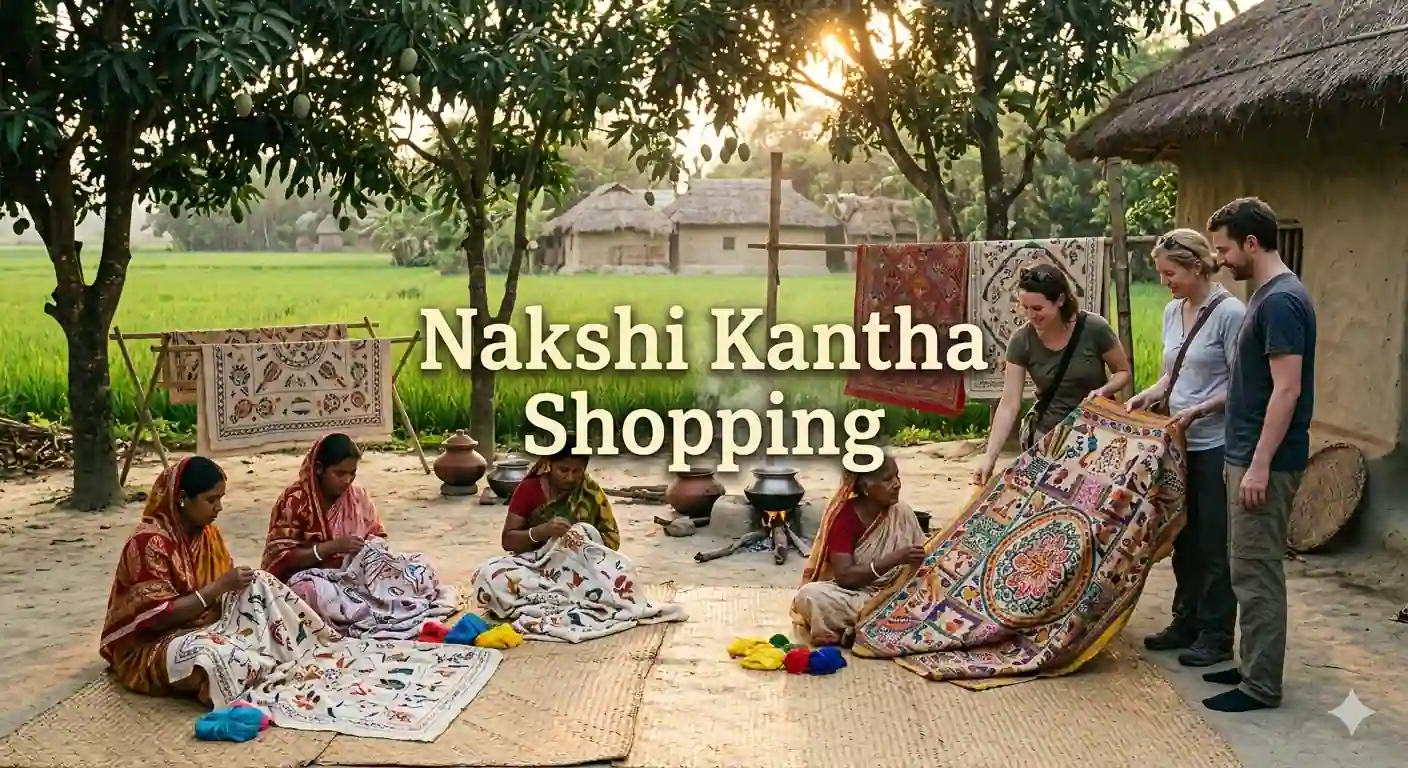
Discovering the Soul of Bengali Craft Through Nakshi Kantha
Shopping for Nakshi Kantha in Bangladesh offers foreign travelers a profound opportunity to engage directly with rural artisans, preserve centuries-old embroidery traditions, and acquire deeply meaningful handcrafted textiles. Unlike mass-produced souvenirs, authentic Nakshi Kantha quilts are meticulously hand-stitched over weeks or months by women in villages across Kushtia, Faridpur, Mymensingh, and Rajshahi, each piece telling a visual story of folklore, daily life, and spiritual symbolism. The optimal time to visit artisan hubs is during the cool dry season from November through February, when temperatures range from 55 to 78 degrees Fahrenheit and outdoor stitching sessions are comfortable for both creators and visitors. Program costs for guided artisan visits range from 25 to 120 USD depending on whether you choose independent village exploration, cooperative workshop bookings, or premium cultural immersion packages that include meals, transportation, and master embroiderer consultations.
This comprehensive guide provides everything you need to navigate Nakshi Kantha shopping responsibly, including regional craft hubs, authentication techniques, pricing tiers, cultural etiquette, sustainable purchasing practices, and logistical planning. Whether you are a textile collector seeking museum-quality embroidery, a conscious traveler prioritizing direct artisan compensation, or a cultural enthusiast eager to understand Bengali storytelling through needlework, this resource will help you build genuine connections with craft communities while acquiring textiles that carry generations of heritage.
Understanding Nakshi Kantha Origins and Cultural Significance
Nakshi Kantha translates to embroidered quilt in Bengali, representing one of South Asia's most enduring folk art traditions. The craft originated in rural Bengal centuries ago when women repurposed worn saris, lungis, and cloth scraps into layered quilts, securing the fabric with running stitches that evolved into intricate narrative embroidery. Unlike commercial textile production, traditional Nakshi Kantha requires no looms or industrial equipment. Artisans work entirely by hand, using cotton thread, natural dyes, and recycled fabrics to create pieces that document agricultural cycles, mythological tales, family milestones, and spiritual beliefs.
The cultural weight of Nakshi Kantha extends beyond decoration. In Bengali households, these quilts historically served as bedding, baby wraps, ceremonial coverings, and family heirlooms passed through generations. Each motif carries intentional meaning: lotus flowers symbolize purity, fish represent fertility, trees denote life cycles, and geometric borders protect against negative energy. When you purchase directly from artisans, you are not merely acquiring a textile but participating in a living preservation effort that supports rural women's economic independence and keeps oral storytelling traditions alive through visual embroidery.
For travelers planning broader cultural journeys, understanding Nakshi Kantha's context enhances appreciation for Bangladesh's wider craft ecosystem. Consulting the complete Bangladesh travel master guide reveals how embroidery traditions intersect with Jamdani weaving, terracotta temple artistry, and riverine craft economies, creating a cohesive narrative of Bengali material culture that rewards immersive exploration.
Best Regions to Source Authentic Nakshi Kantha
Bangladesh's Nakshi Kantha production is geographically concentrated in specific districts where generational knowledge, suitable climate conditions, and cooperative networks sustain the craft. Knowing which regions specialize in particular styles helps you target visits efficiently and understand regional aesthetic variations.
| Region | Distance from Dhaka | Signature Style | Best For | Typical Visit Duration |
| Kushtia District | 180 km west | Dense narrative panels, mythological scenes, vibrant red and indigo dyes | Story-driven quilts, master embroiderer workshops | Full day or overnight |
| Faridpur District | 120 km southwest | Geometric borders, floral motifs, lighter pastel palettes | Table runners, cushion covers, smaller functional pieces | Half day to full day |
| Mymensingh Region | 125 km north | Nature-inspired embroidery, bird and fish motifs, organic cotton bases | Eco-conscious buyers, sustainable dye workshops | Full day |
| Rajshahi Division | 250 km northwest | Heritage revival pieces, museum-quality stitching, silk-cotton blends | Collectors, premium acquisitions, cultural documentation | 1 to 2 days |
Kushtia remains the undisputed heartland of Nakshi Kantha, where cooperatives like the Bangladesh Handicrafts Foundation and rural women's collectives maintain rigorous quality standards while ensuring fair wage distribution. Faridpur offers more accessible day-trip opportunities from Dhaka, making it ideal for travelers with limited time. Mymensingh appeals to eco-conscious visitors due to its strong natural dye revival movement, while Rajshahi caters to collectors seeking archival-grade pieces that often take three to six months to complete.
For travelers interested in parallel craft traditions, exploring the traditional Jamdani weaving villages near Dhaka provides complementary insights into Bangladesh's broader textile heritage, allowing you to compare embroidery versus loom-based techniques within a single cultural framework.
How to Identify Genuine Handmade Nakshi Kantha
The growing commercial demand for Nakshi Kantha has unfortunately introduced machine-stitched imitations and factory-produced replicas into urban markets. Learning to authenticate genuine handcrafted pieces protects your investment and ensures your purchase directly benefits rural artisans.
Authentication Checklist:
- Stitch Irregularity: Genuine Nakshi Kantha displays slight variations in stitch length and tension. Machine embroidery appears perfectly uniform, while hand stitching shows subtle human rhythm.
- Thread Ends and Knots: Hand-embroidered quilts reveal small thread knots and buried ends on the reverse side. Factory pieces feature clean, machine-locked backs.
- Fabric Layering: Traditional Nakshi Kantha uses three to seven recycled cloth layers. Hold the quilt up to light; genuine pieces show uneven thickness and visible patchwork seams.
- Natural Dye Characteristics: Artisan pieces often use turmeric, indigo, pomegranate rind, and iron mordants. Colors age gracefully and may show slight tonal shifts rather than harsh synthetic uniformity.
- Artisan Signature or Mark: Many cooperatives include woven labels with the embroiderer's name, village location, and completion date. Request this documentation when purchasing.
Where to Buy Authentically:
Urban craft stores in Dhaka's Dhanmondi and Gulshan districts often stock Nakshi Kantha, but pricing includes multiple middlemen markups. For direct artisan access, visit cooperative showrooms in Kushtia town, schedule village homestay visits through registered rural tourism networks, or attend seasonal craft fairs like the Bangladesh National Handicrafts Exhibition held annually in December. Direct purchasing typically reduces costs by 30 to 50 percent while ensuring 80 to 90 percent of proceeds reach the embroiderer.
For visitors navigating urban markets before heading to craft villages, reviewing the cash and ATM withdrawal guide for Bangladesh ensures you carry sufficient local currency for direct artisan transactions, as rural vendors rarely accept cards or digital payments.
Step-by-Step Guide to Visiting Artisan Villages
Planning a village visit requires coordination, cultural sensitivity, and logistical preparation. Follow this structured approach to maximize learning opportunities while respecting artisan routines.
Step One: Research and Pre-Booking (Two to Three Weeks Before)
Contact registered cooperatives or rural tourism facilitators to schedule visits. Independent village drop-ins often disrupt daily stitching schedules and may not yield authentic purchasing opportunities. Request visit dates that align with active embroidery periods rather than agricultural harvest seasons when artisans prioritize fieldwork.
Step Two: Transportation Planning (One Week Before)
Book intercity buses or private vehicles through reputable operators. Rural roads improve significantly during dry season but remain unpaved in many craft villages. Allow buffer time for navigation, as GPS signals weaken in remote areas. Consider hiring local drivers familiar with village routes to reduce travel stress.
Step Three: Arrival and Introduction (Day of Visit)
Arrive between 9:00 AM and 11:00 AM when artisans typically begin daytime stitching sessions. Present yourself through your facilitator or cooperative representative. Offer respectful greetings, remove footwear when entering homes, and request permission before photographing workspaces. Many embroiderers welcome visitors but prefer advance notice rather than unexpected arrivals.
Step Four: Observation and Participation (Two to Four Hours)
Watch artisans demonstrate running stitch techniques, color selection processes, and motif planning. Some cooperatives offer beginner workshops where visitors practice basic stitches on practice cloth. These sessions typically cost 15 to 35 USD and include materials, instruction, and a small practice piece to take home.
Step Five: Purchasing and Documentation (Final Hour)
Review available pieces, discuss customization options, and negotiate respectfully. Request artisan identification tags, care instructions, and cooperative certificates. Pay directly to the embroiderer or cooperative treasurer, avoiding intermediaries who may reduce artisan compensation.
For travelers extending their journey beyond craft villages, exploring the Mymensingh region culture and heritage provides rich contextual experiences, including riverine landscapes, colonial-era architecture, and agricultural festivals that complement textile-focused itineraries.
Pricing Breakdown: Budget versus Premium Nakshi Kantha Shopping
Understanding cost structures helps you budget appropriately and recognize fair pricing versus inflated market rates. Nakshi Kantha pricing depends on size, stitch density, motif complexity, fabric quality, and artisan reputation.
| Piece Type | Dimensions | Completion Time | Artisan Direct Price (USD) | Urban Retail Price (USD) |
| Small Wall Hanging | 12 x 18 inches | 2 to 3 weeks | 25 to 45 | 60 to 90 |
| Table Runner | 14 x 36 inches | 3 to 4 weeks | 40 to 70 | 85 to 130 |
| Standard Bed Quilt | 60 x 80 inches | 2 to 4 months | 120 to 250 | 280 to 450 |
| Masterpiece Narrative Quilt | 72 x 96 inches | 4 to 8 months | 300 to 600 | 700 to 1200 |
| Custom Commission | Variable | 3 to 12 months | 150 to 800 | 400 to 1500 |
Budget Traveler Strategy (25 to 80 USD): Focus on smaller functional pieces like cushion covers, table runners, or practice stitch samplers. Visit cooperative sales during seasonal clearance periods when artisans discount surplus inventory to fund new material purchases.
Mid-Range Strategy (80 to 200 USD): Purchase standard bed quilts or narrative wall panels directly from Kushtia or Faridpur cooperatives. Request pieces with moderate stitch density and traditional motif combinations that balance aesthetic appeal with reasonable completion timelines.
Premium Collector Strategy (200 to 600+ USD): Commission custom pieces from master embroiderers in Rajshahi or Kushtia. Specify natural dye preferences, heritage motif documentation, and archival fabric bases. Allow extended completion windows and request progress photographs throughout the stitching process.
For travelers planning extended craft-focused journeys, reviewing the essential packing list for Bangladesh travel ensures you bring appropriate garment bags, moisture-control storage, and lightweight carrying solutions to protect delicate embroidery during transit.
Cultural Etiquette and Building Relationships with Artisans
Visiting artisan villages requires cultural awareness, respectful interaction, and genuine interest in craft preservation rather than transactional shopping. Following these guidelines fosters positive relationships and ensures your presence supports rather than disrupts rural livelihoods.
Communication Guidelines:
- Learn basic Bengali greetings: Nomoshkar (hello), Dhonnobad (thank you), Apnar nam ki (what is your name). Artisans appreciate visitors who make linguistic effort.
- Use a facilitator or cooperative representative for initial introductions. Direct questioning about income, family structure, or personal hardships may cause discomfort.
- Ask about motif meanings, stitching techniques, and fabric sourcing rather than focusing solely on pricing or purchase volume.
Photography and Documentation:
- Always request explicit permission before photographing artisans, their homes, or stitching processes. Some cooperatives welcome documentation for cultural preservation, while others prefer privacy.
- Avoid flash photography near natural dye pots or delicate thread spools, as sudden light may disrupt concentration or damage materials.
- Share published photographs or travel writings with cooperatives when possible, acknowledging artisan contributions and supporting craft visibility.
Gift-Giving and Reciprocity:
- Bring practical items like quality sewing needles, thread organizers, magnifying lamps, or ergonomic stitching cushions rather than decorative souvenirs.
- Avoid distributing cash directly to children or unrelated villagers, as this may create dependency or disrupt cooperative wage structures.
- Purchase refreshments from local vendors when spending extended time in villages, supporting micro-economies beyond textile sales.
For travelers concerned about independent navigation, reviewing solo travel expectations in Bangladesh provides practical safety insights, cultural adaptation strategies, and communication frameworks that enhance village visit experiences.
Sustainable Shopping and Supporting Rural Craft Economies
Ethical Nakshi Kantha purchasing extends beyond fair pricing to encompass environmental responsibility, cultural preservation, and long-term community empowerment. Implementing sustainable practices ensures your travel spending generates lasting positive impact.
Environmental Considerations:
- Prioritize quilts using recycled cotton bases and natural plant dyes over synthetic fabrics and chemical colorants.
- Request care instructions that minimize water usage and avoid harsh detergents, extending quilt lifespan and reducing environmental footprint.
- Support cooperatives implementing rainwater harvesting, solar drying racks, and waste-thread composting initiatives.
Economic Impact Verification:
- Ask cooperatives to explain wage distribution models. Ethical organizations typically allocate 70 to 85 percent of sales revenue directly to embroiderers, with remaining funds covering material costs, cooperative administration, and skill development programs.
- Verify that artisans receive consistent advance payments rather than post-delivery compensation, which protects against cash flow vulnerabilities.
- Support organizations offering childcare support, health insurance contributions, and literacy programs for artisan families.
Cultural Preservation Commitment:
- Purchase pieces that document traditional motifs rather than requesting Westernized design modifications that may dilute cultural authenticity.
- Encourage intergenerational knowledge transfer by supporting cooperatives that fund apprentice programs for young embroiderers.
- Share craft stories responsibly, emphasizing artisan skill and cultural heritage rather than framing purchases as charitable acts.
For travelers integrating craft tourism with broader cultural exploration, visiting the Rajshahi mango season culinary itinerary demonstrates how agricultural cycles, craft production, and seasonal festivals interconnect in rural Bangladesh, creating holistic travel experiences that honor regional rhythms.
Combining Nakshi Kantha Shopping with Broader Bangladesh Itineraries
Nakshi Kantha village visits integrate seamlessly into multi-day Bangladesh itineraries that balance craft immersion, historical exploration, and natural landscape appreciation. Strategic routing maximizes cultural exposure while minimizing transit fatigue.
Recommended Five-Day Craft and Culture Circuit:
Day One: Dhaka Arrival and Urban Craft Orientation
- Morning: Arrive Dhaka, settle into accommodation near Dhanmondi or Gulshan
- Afternoon: Visit cooperative showrooms, compare urban versus rural pricing structures
- Evening: Attend craft appreciation workshop, learn basic stitch terminology and motif symbolism
Day Two: Faridpur Village Visit and Functional Piece Acquisition
- Morning: Depart Dhaka at 7:00 AM via private vehicle or registered bus service
- Midday: Arrive Faridpur cooperative, observe geometric border stitching techniques
- Afternoon: Purchase table runners and cushion covers, practice beginner running stitch
- Evening: Return to Dhaka, document purchases and artisan contacts
Day Three: Kushtia Master Embroiderer Consultation
- Morning: Travel to Kushtia via intercity bus, arrive by 11:00 AM
- Midday: Meet master embroiderer, review narrative quilt portfolios, discuss custom commission parameters
- Afternoon: Visit natural dye workshop, observe indigo fermentation and turmeric extraction processes
- Evening: Stay overnight in Kushtia guesthouse, review motif documentation and pricing agreements
Day Four: Rajshahi Heritage Quilt Exploration
- Morning: Depart Kushtia for Rajshahi, arrive by early afternoon
- Afternoon: Visit heritage textile archive, compare archival Nakshi Kantha with contemporary pieces
- Evening: Finalize custom commission deposits, schedule progress update communications
Day Five: Return and Itinerary Extension Planning
- Morning: Depart Rajshahi for Dhaka via morning bus service
- Afternoon: Arrive Dhaka, organize purchased textiles, arrange international shipping if needed
- Evening: Plan extension activities, such as visiting historical sites or riverine landscapes
For travelers seeking efficient intercity movement, consulting the Bangladesh domestic train system guide provides alternative routing options, scheduling insights, and comfort comparisons that complement bus and private vehicle travel strategies.
Packing and Logistics for Craft-Focused Travel
Transporting delicate embroidered textiles requires specialized packing techniques, climate management, and customs awareness. Proper preparation prevents damage during transit and ensures your acquisitions arrive home in pristine condition.
On-Site Packing Essentials:
| Item | Purpose | Recommended Specification |
| Acid-free tissue paper | Prevents fabric yellowing and thread abrasion | Archival grade, unbuffered sheets |
| Cotton garment bags | Allows breathability while protecting from dust | Unbleached muslin, zippered closure |
| Silica gel packets | Controls moisture during humid transit periods | Reusable indicator packets, 50g per quilt |
| Rigid portfolio tubes | Prevents creasing for wall hangings and runners | Cardboard or plastic, 24 to 36 inch length |
| Customs documentation folder | Organizes artisan certificates and purchase receipts | Waterproof sleeve, labeled clearly |
International Shipping Considerations:
- Most Bangladesh cooperatives offer insured international shipping for 15 to 40 USD depending on destination and piece size. Request tracking numbers and declare items as handmade textiles to avoid commercial tariff classifications.
- Avoid vacuum-sealing Nakshi Kantha, as compressed storage damages stitch structure and natural dye integrity over time.
- Store acquired pieces flat or loosely rolled in climate-controlled environments. Avoid direct sunlight, high humidity, and plastic wrapping that traps moisture.
For travelers navigating urban transit before departing for craft villages, reviewing the Uber and Pathao guide for Dhaka ensures reliable, tracked transportation to bus terminals, cooperative showrooms, and accommodation hubs while minimizing navigation stress in congested city areas.
Conclusion: Preserving Heritage Through Conscious Craft Engagement
Connecting with local artisans and shopping for Nakshi Kantha in Bangladesh transforms textile acquisition into a meaningful cultural exchange that honors generational skill, supports rural livelihoods, and preserves Bengali storytelling traditions. By visiting artisan villages respectfully, authenticating handcrafted pieces carefully, pricing purchases fairly, and packing acquisitions thoughtfully, you participate in a sustainable craft ecosystem that values people over production volume and heritage over homogenization.
The journey from urban craft showrooms to rural stitching circles reveals Bangladesh's enduring commitment to material culture preservation. Each embroidered motif represents hours of focused craftsmanship, each recycled fabric layer carries personal history, and each cooperative transaction strengthens community economic resilience. As global interest in ethical tourism and slow craft appreciation grows, your conscious purchasing decisions help ensure that Nakshi Kantha remains a living tradition rather than a museum relic.
Whether you acquire a small table runner during a Faridpur day visit or commission a narrative masterpiece from a Kushtia master embroiderer, your engagement contributes to a broader movement that values artisan dignity, environmental responsibility, and cultural continuity. Pack thoughtfully, travel respectfully, and allow the rhythm of running stitches to guide your appreciation for one of South Asia's most profound textile legacies.
Ready to experience Nakshi Kantha craftsmanship firsthand? Coordinate your village visits, prepare your authentication checklist, and embark on a journey that connects global travelers with Bangladesh's enduring embroidery heritage.
0 Comments